Campinas Basic Food Basket Price Rises 1.91% in June, Consuming Over Half of Minimum Wage
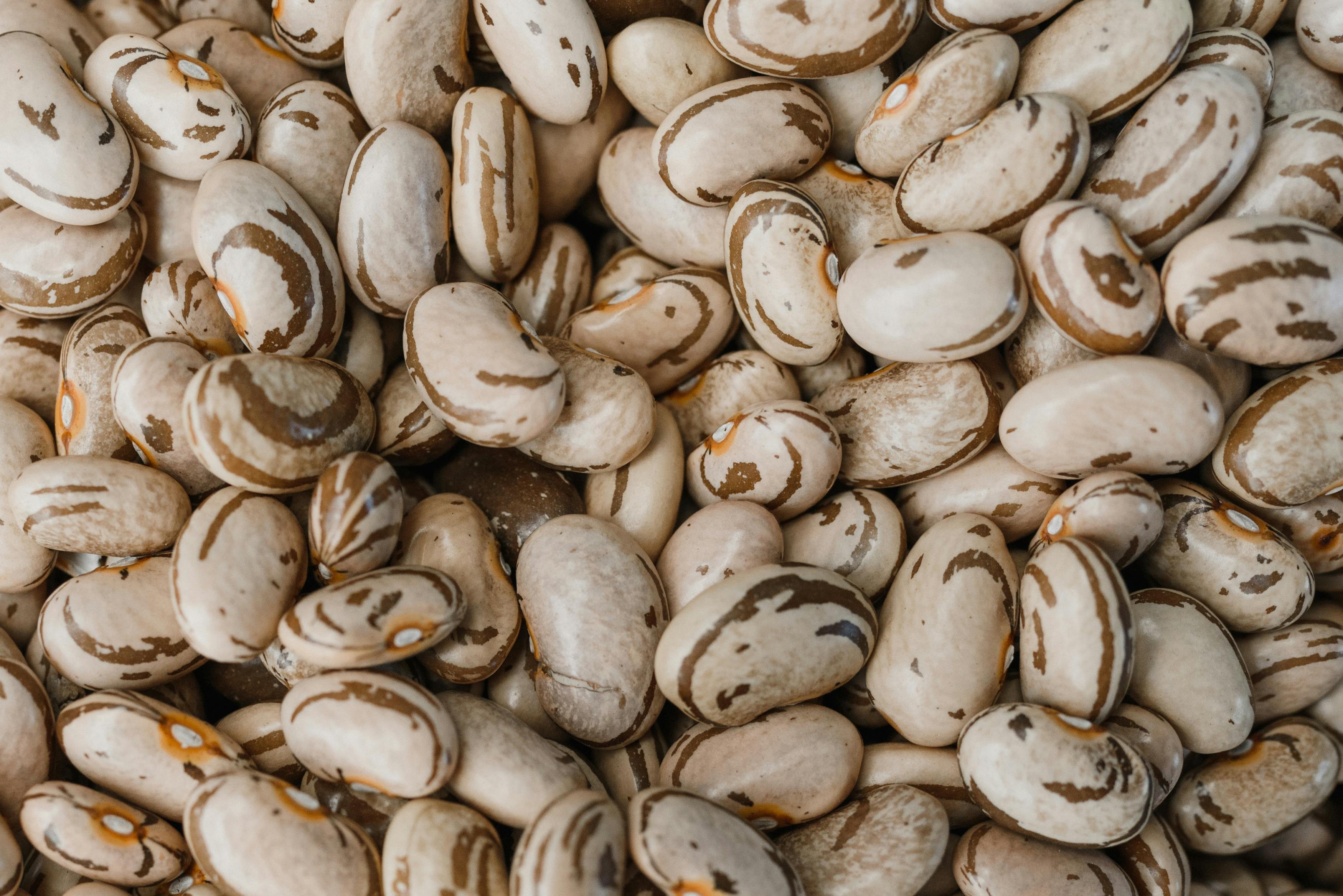
The cost of a basic food basket in Campinas, São Paulo, increased by 1.91% in June 2026, reaching R$ 902.12. This rise means the basket now consumes 55.7% of the current minimum wage, which is R$ 1,621. The primary driver of this increase was the price of beans, which surged by 13.93% due to reduced supply caused by crop yield issues and climate factors. This upward trend in bean prices has been ongoing throughout the year, but became more pronounced in June as other food items saw less significant price changes. Economists anticipate that bean prices may stabilize and potentially decrease with the arrival of new harvests starting in July, contingent on weather conditions. Other contributing factors to the June price hike included increases in banana prices (4.82%) and sugar prices (3.24%).
The "necessary minimum wage," defined as the income needed to purchase three basic food baskets, climbed to R$ 2,706.36. The percentage of the minimum wage dedicated to the food basket in June was the highest in the last 12 months, showing a continuous increase since March. Year-to-date, from January to June 2026, the basic food basket in Campinas has become 15.24% more expensive. Significant year-to-date price increases were observed for potatoes (95.36%), tomatoes (87.07%), beans (42.01%), and milk (28.94%). Conversely, some items saw price drops, with bananas experiencing the largest decline since January (-14.52%), followed by coffee (-10.36%) and sugar (-9.71%). Despite its growth, Campinas's food basket price increase in June was more moderate than in May but still surpassed other monitored Southeast region capitals like São Paulo and Rio de Janeiro. However, Campinas ranked third among the 15 largest cities nationwide for the highest absolute cost of its basic food basket.
The rising cost of essential food items, particularly beans, in Campinas highlights the vulnerability of household budgets to agricultural supply shocks, exacerbated by climate change. The data indicates a widening gap between the minimum wage and the cost of living, suggesting potential strain on lower-income households and a need for policy considerations regarding wage adjustments or food security initiatives. The year-to-date price accelerations for staples like potatoes and tomatoes, alongside the volatility in bean prices, point to systemic challenges in agricultural production and distribution that warrant further investigation into supply chain resilience and climate adaptation strategies within the agricultural sector. This trend, if sustained, could impact consumer spending patterns and contribute to broader economic instability.
AI-generated to prompt reflection — not editorial opinion, not advice, not a statement of fact. How this works.