Campinas Central Street Closure for Underground Wiring Project Until 2027
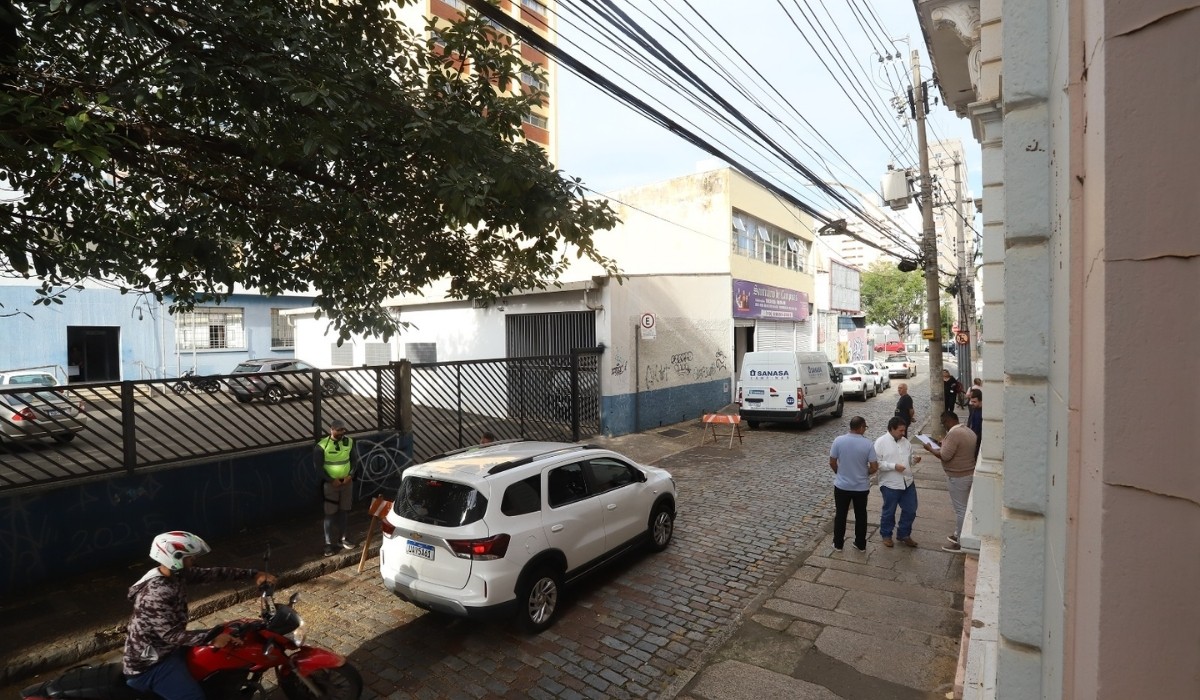
The Rua Marechal Deodoro in downtown Campinas, São Paulo, will experience traffic blockages starting Wednesday, May 5th, to facilitate the undergrounding of electrical, public lighting, and telephone wiring. The Empresa Municipal de Desenvolvimento de Campinas (Emdec) announced the closure, which will affect the segment between Avenida Francisco Glicério and Rua Dr. Quirino, as well as the intersection with Rua Sacramento. This traffic interruption is expected to continue uninterrupted until the project's completion, anticipated in 2027. Emdec has established two detour routes to manage traffic flow: one for vehicles heading towards Avenida Francisco Glicério via Rua Sacramento, Orosimbo Maia, and Francisco Glicério; and another for those heading towards Rua Dr. Quirino, utilizing Rua Sacramento, 10 de Setembro, Barata Ribeiro, Dona Libânia, and Dr. Quirino. Emdec agents will be present to monitor vehicle circulation during the construction period. The project, costing approximately R$2.9 million, was announced on April 30th and is a collaborative effort between the Campinas City Hall, CPFL Paulista, and Vésper Campinas.
This infrastructure project in Campinas represents a significant investment in modernizing urban utilities by moving wiring underground. While aiming to enhance aesthetic appeal and potentially reduce vulnerability to weather-related outages, the extended timeline of three years and substantial cost indicate the complexity of such undertakings. The public-private partnership model highlights a common approach to financing and executing large-scale urban improvements, leveraging resources from municipal government and utility providers. The traffic disruptions, though necessary, underscore the short-term challenges inherent in long-term infrastructure upgrades, requiring careful traffic management and public communication to mitigate inconvenience. Evaluating the project's success will involve monitoring its impact on service reliability, public safety, and the overall urban environment beyond 2027, alongside the financial and operational efficiency of the collaborative model.
AI-generated to prompt reflection — not editorial opinion, not advice, not a statement of fact. How this works.
