Campinas Condo Contamination: Public Prosecutor Investigates Tower Closures and Environmental Measures
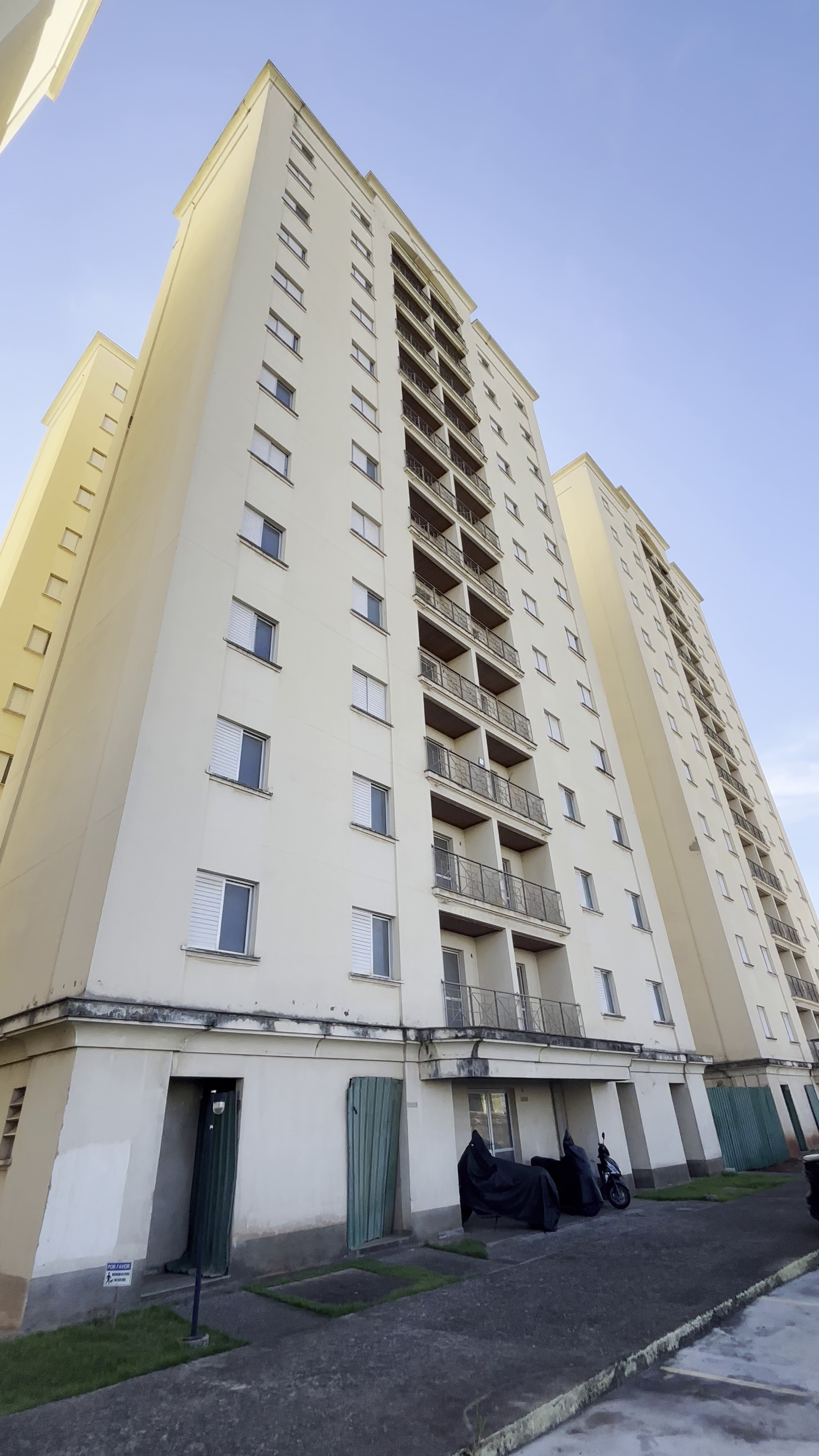
The Public Prosecutor's Office of São Paulo State (MP-SP) has launched a civil inquiry into the environmental measures and tower interdictions at Condomínio Parque Primavera in Campinas, Brazil. This action addresses a 25-year-old contamination issue involving carcinogenic substances within the condominium, located in the Mansões Santo Antônio neighborhood. The investigation was initiated following a meeting with representatives from various municipal secretariats, the local property association (Apromasa), and the condominium management. Prosecutor Luciana Ribeiro Guimarães Viegas de Carvalho noted discrepancies, including only one of the three towers being cleared for habitation while neighboring developments remain occupied despite the contamination. Apromasa has submitted a remediation plan to the state environmental agency (Cetesb) for approval, but doubts persist regarding the decontamination progress and the rationale behind the ongoing restrictions. The Campinas City Hall stated it is cooperating with the investigation and providing requested information within its purview. Cetesb confirmed it will provide necessary clarifications and noted that 'Tower A' is only partially restricted at its ground floor, with towers B and C remaining unfinished. The inquiry was prompted by complaints from owners of apartments in the restricted blocks, who allege unequal treatment by the city, as other nearby contaminated areas have been cleared. They also dispute the city's claim that responsibility for decontamination projects and a gas extraction plant lies with the now-bankrupt construction company, Concima S.A. The gas extraction plant, operational since 2014 and managed by the city until 2020, has been non-functional for approximately two months due to damaged equipment, with the condominium unable to afford repairs. The city maintains that the environmental liability stems from a private development and that the original developer, Proquima, is responsible. The MP has requested Cetesb to report on the remediation plan and the reasons for continued restrictions within 15 days, and Seclimas to clarify the status and maintenance of the gas extraction plant. The contamination, identified in 2001, consists of chlorinated ethanes and ethenes originating from the former Proquima industry, which allegedly disposed of waste improperly. A fire at the facility in 1987 also contributed to the chemical spill, with the contamination extending across several blocks.
The extended environmental contamination at Condomínio Parque Primavera highlights systemic challenges in addressing legacy industrial pollution and ensuring equitable public health protection. The investigation by the Public Prosecutor's Office aims to reconcile conflicting claims regarding responsibility, remediation efficacy, and the disparate treatment of affected residents compared to neighboring areas. Future efforts should focus on establishing clear, enforceable protocols for long-term environmental monitoring and remediation, particularly in cases involving bankrupt developers. Furthermore, transparent communication and collaborative governance among public agencies, residents, and environmental authorities are crucial to prevent such protracted issues and build trust in the resolution process, especially as climate change may exacerbate environmental risks.
AI-generated to prompt reflection — not editorial opinion, not advice, not a statement of fact. How this works.