Campinas Conducts Targeted Rabies Vaccinations After Cat Case Near Cemetery
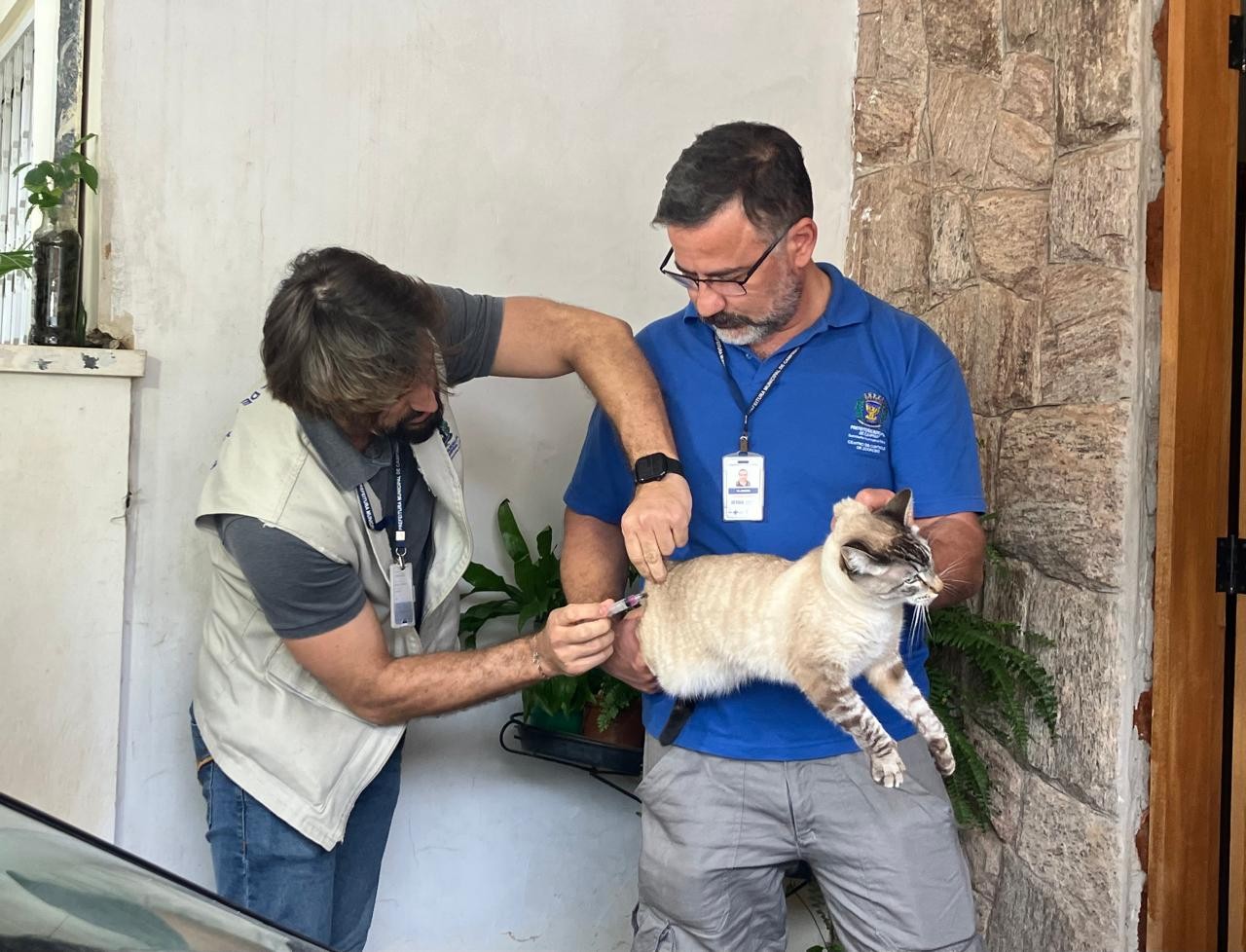
Campinas, São Paulo, has implemented a targeted house-to-house vaccination campaign for dogs and cats in the vicinity of the Saudade Cemetery in Vila Paraíso. This action, which began on Tuesday, August 4, 2026, was initiated following the confirmation of the first rabies case in a cat in the city since 2016. Between Friday, July 31, and Monday, August 3, health agents identified and mapped 180 domestic animals within a 300-meter radius of the cemetery. The primary goal was to ascertain the number of pets in the area and check their vaccination status. Residents who were not home during Tuesday's operation will be notified to vaccinate their pets on Saturday, August 8. On Monday, August 3, the Unit of Zoonosis Surveillance (UVZ) also vaccinated cats residing within and around the cemetery, with assistance from local animal welfare advocates. Despite this isolated case, the municipality has decided against a city-wide mass vaccination event, known as "Dia D," adhering to guidelines from the Ministry of Health and the Pasteur Institute. This decision is based on the current prevalence of the paralytic form of rabies, which differs from the more transmissible furious form historically associated with canine rabies. The paralytic variant, transmitted by bats, causes neurological symptoms and lethargy, reducing the risk of transmission compared to the furious variant, which has not been detected in São Paulo for over two decades. The last human case from the canine variant was in 1997, and the last in dogs and cats in 1998, leading São Paulo to suspend annual mass rabies vaccination campaigns in 2022, while maintaining routine immunizations and focus-blocking actions. The UVZ continues to offer free rabies vaccinations by appointment throughout the year. Educational initiatives are also planned for cemetery staff and visitors regarding interactions with animals, especially as four bats tested positive for rabies in Campinas in 2026.
The municipality's response to the cat's rabies diagnosis prioritizes localized containment over broad public campaigns, aligning with evolving public health strategies that differentiate between rabies variants. This approach reflects a shift away from mass vaccination mandates, recognizing that the paralytic variant, linked to bats, presents different transmission dynamics than the historically concerning furious variant. The strategy focuses on resource allocation to high-risk zones, aiming for efficiency while maintaining routine preventive measures. Future considerations might involve evaluating the long-term efficacy of targeted interventions against potential shifts in pathogen behavior or environmental factors, such as increased bat-human or bat-animal interfaces, to ensure sustained public health security in the face of zoonotic disease risks.
AI-generated to prompt reflection — not editorial opinion, not advice, not a statement of fact. How this works.
