Campinas Construction Sector Sees Job Losses Amid High Interest Rates and Costs
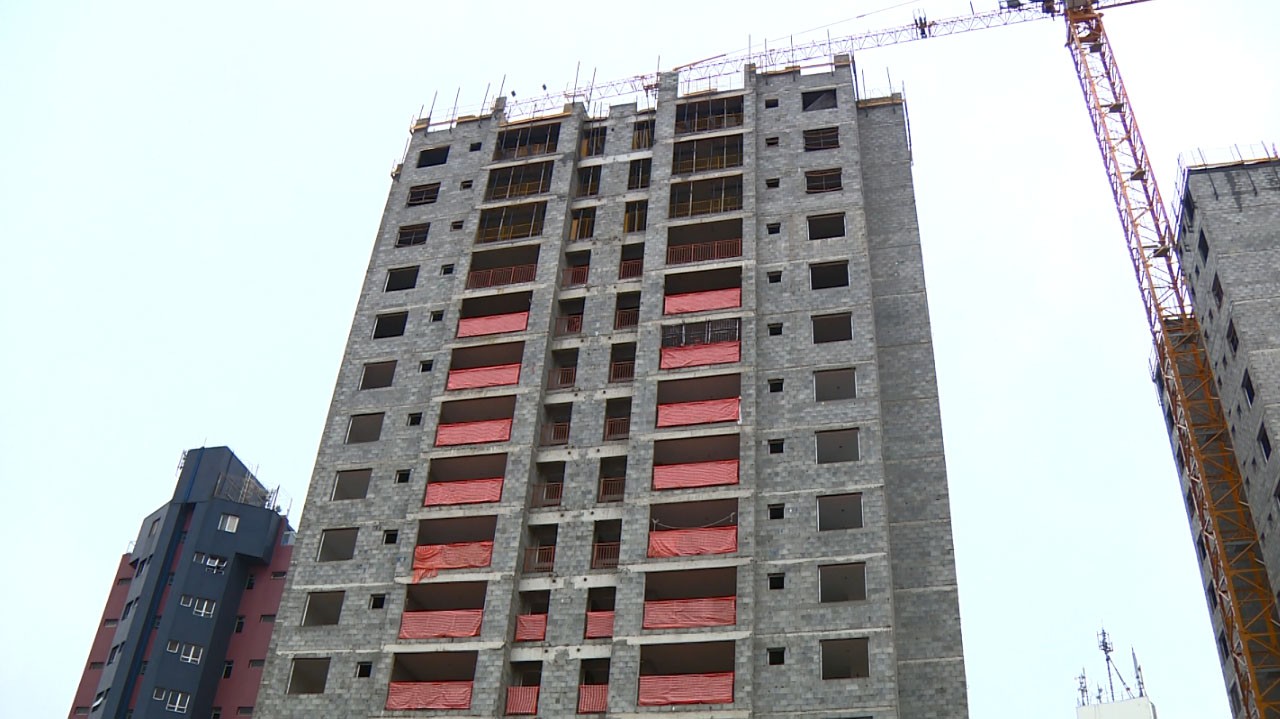
The construction sector in Campinas, São Paulo, is experiencing a slowdown in formal job creation, with data from the General Registry of Employed and Unemployed (Caged) indicating a deterioration in sector vacancies since the second half of 2025. After a positive balance of 334 jobs in January 2026, the sector saw job losses in April (-216) and May (-458), halting the hiring momentum from earlier in the year. Economist Eli Borochovicius of PUC-Campinas attributes this deceleration to a combination of economic factors impacting the real estate market, including high interest rates, reduced purchasing power, and increased construction costs.
Borochovicius explains that higher interest rates make financing more expensive, deterring potential homebuyers who heavily rely on mortgages. While the Central Bank's Monetary Policy Committee (Copom) reduced the Selic rate in June 2026, it remains in double digits, keeping credit costly. This, coupled with elevated default rates, reduces property sales, leading to fewer constructions and hiring. Furthermore, stagnant wages relative to inflation have eroded consumer purchasing power, and rising costs for materials like steel, aluminum, and wood are being passed on to property prices, further hindering sales and new developments.
Despite the employment slowdown, Borochovicius notes that real estate market indicators do not yet signal a sharp decline in demand. In the first quarter of 2026, Campinas saw a 47.1% decrease in new unit launches compared to the same period in 2025, with sales also dropping by 15.6%. However, the existing inventory of 10,500 units is projected to sell within 9 months, suggesting a healthy absorption rate. Borochovicius interprets this as companies exercising caution due to costs and financing conditions rather than a lack of demand. He also points out a seasonal trend where hiring peaks in early years and weakens in the second half, consistent with historical data, suggesting a slowdown rather than a crisis.
The data from Campinas indicates a cyclical adjustment within the construction sector, driven by macroeconomic pressures. Elevated interest rates and rising input costs create a disincentive for both developers and consumers, leading to a natural cooling of employment growth. While the immediate outlook suggests a continued slowdown, the underlying demand for housing, as indicated by inventory absorption rates, appears resilient. This situation highlights the sensitivity of the construction industry to monetary policy and inflationary environments. Future policy decisions regarding interest rates and measures to control input cost inflation will be critical in determining the sector's trajectory. The analysis suggests a need for strategic planning by construction firms to navigate these fluctuating economic conditions, potentially through diversified project pipelines or innovative cost-management strategies.
AI-generated to prompt reflection — not editorial opinion, not advice, not a statement of fact. How this works.