Campinas Council Committee Ends Vini Oliveira Investigation Without Key Testimonies
The Investigating Committee (CP) of the Campinas Municipal Chamber has concluded its testimony phase concerning Councilman Vini Oliveira (Cidadania) without hearing any of the eight scheduled witnesses or the councilman himself. The process, which began on Tuesday, August 4th, saw the committee unable to compel testimony from key individuals. On Monday, August 3rd, six prosecution witnesses did not appear. On Tuesday, Oliveira's defense team informed the committee they would waive the testimony of Henrique Madson Berteli Eloy, Oliveira's advisor, and Marco Antonio Castigleri, his chief of staff. The defense also withdrew the councilman's own deposition, stating it was a legal decision and asserting that no evidence links Oliveira to the alleged misconduct. The defense maintains Oliveira denies any impropriety, breach of parliamentary decorum, or irregularities.
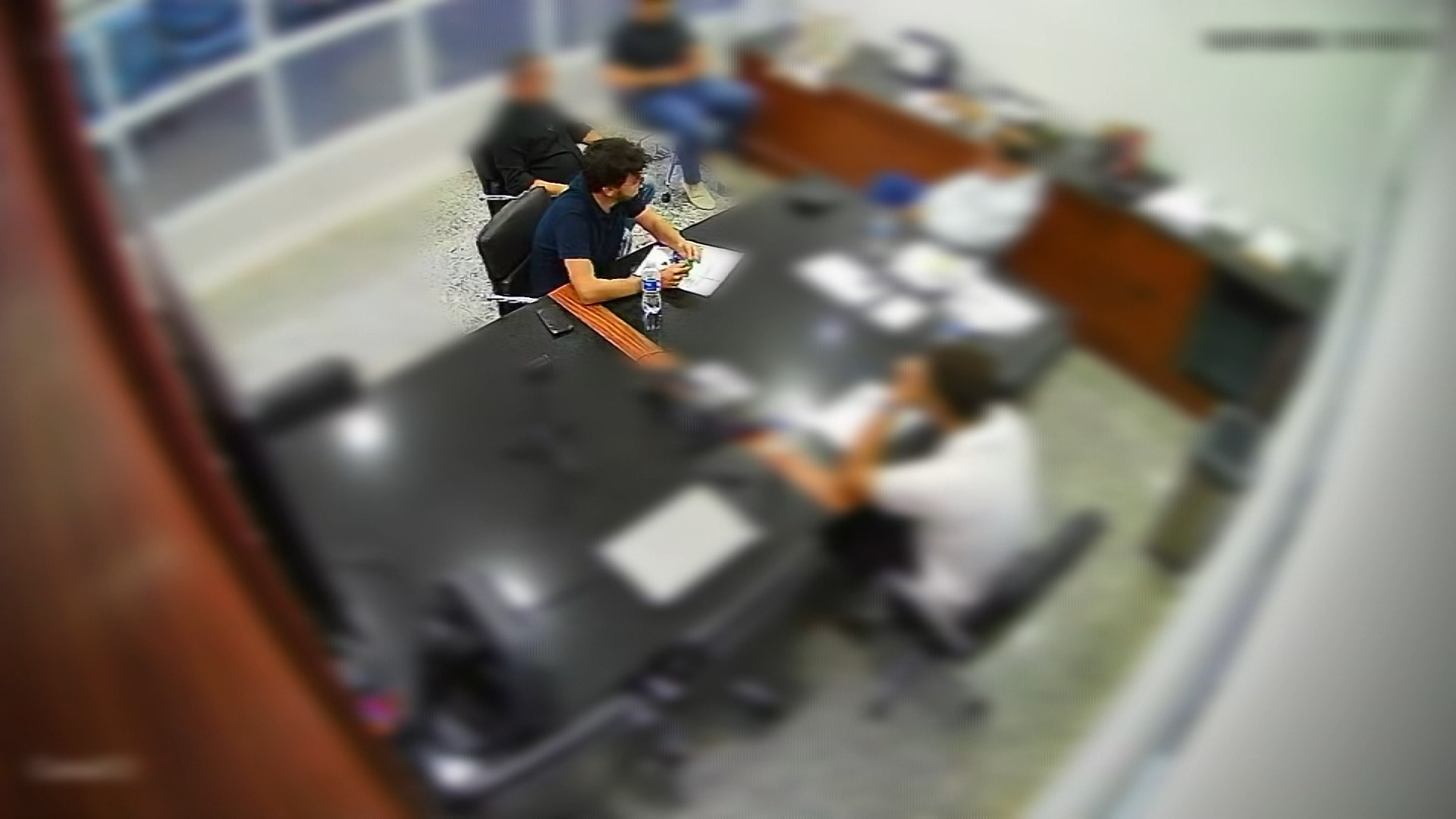
During the proceedings, an independent technical expert, Ricardo Molina de Figueiredo, presented by the defense, testified that a video used in the complaint was edited from a longer recording, rendering it inauthentic and inadmissible as evidence. Molina also stated that the video does not show money, only envelopes being placed in a box, with their contents unknown. The committee, led by president Paulo Haddad, also includes Mariana Conti and Otto Alejandro. A request to access evidence from a São Paulo Public Prosecutor's Office investigation was denied due to ongoing secrecy, and the committee was advised against obtaining it through the press to avoid nullifying the process. Despite the lack of access to this evidence, Haddad stated the committee has other means to proceed.
The conclusion of the testimony phase without key depositions raises questions about the thoroughness of the investigation into Councilman Vini Oliveira. The defense's strategic withdrawal of testimony and expert challenges to evidence highlight a focus on procedural and evidentiary standards. The committee's inability to access crucial evidence from the Public Prosecutor's Office, coupled with the warning against alternative acquisition methods, underscores the complexities of inter-agency cooperation and evidence handling. Moving forward, the committee's final report will need to reconcile the available evidence against the allegations, considering the limitations imposed by these procedural hurdles and the potential impact on public trust in legislative oversight processes.
AI-generated to prompt reflection — not editorial opinion, not advice, not a statement of fact. How this works.
