Campinas Dental Clinic Shut Down for Operating Without License and Hygiene Violations
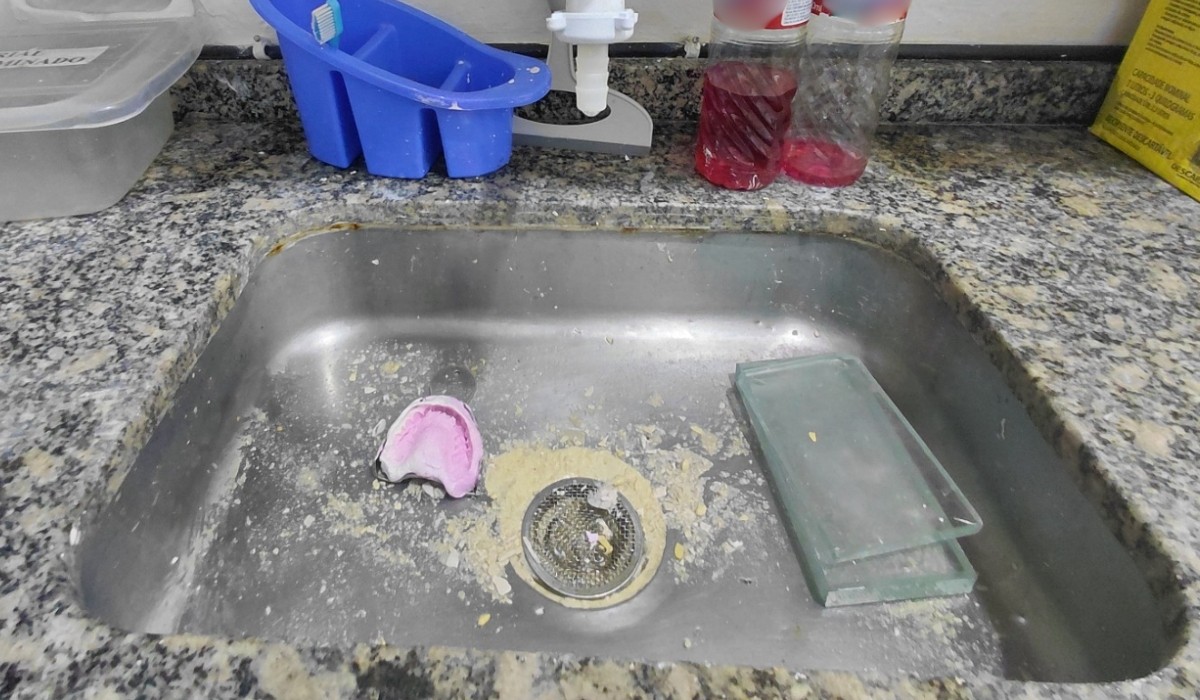
Campinas's Health Surveillance agency has shut down a dental clinic located on Rua 13 de Maio in the city's central region. The establishment was operating without a license and exhibited significant hygiene deficiencies, including improper sterilization of materials and inadequate disposal of hospital waste. City officials reported that cleaning procedures did not meet required standards for patient safety, and the physical structure of the clinic was deemed unsuitable for its operations. The closure also extended to the clinic's X-ray equipment. Specific violations noted included dirty water used for cooling dental motors, a soiled manual hand-washing sink contrary to sanitary norms, and materials that appeared clean but had ingrained dirt. Furthermore, items meant to be disposable were found to be improperly sterilized. The clinic was discovered through an active search initiative by the health authorities, which identifies irregular establishments via field visits, social media monitoring, and business registration database checks. The clinic has ten days to appeal the closure. Reopening will only be permitted after full compliance with all Health Surveillance regulations. The clinic's management has not yet responded to requests for comment.
This incident highlights the critical role of proactive public health enforcement in safeguarding citizens from potentially hazardous medical environments. The discovery through active search, rather than public complaint, suggests a systemic challenge in identifying and regulating informal or non-compliant healthcare providers. The identified lapses in sterilization, waste disposal, and infrastructure point to a failure in basic operational oversight, potentially driven by cost-saving measures or a lack of awareness of regulatory requirements. Moving forward, leveraging data analytics and broader digital footprint analysis could enhance the efficiency of such active searches, identifying high-risk establishments before they pose a threat. This situation underscores the ongoing tension between market access for service providers and the imperative of public safety, necessitating robust, adaptable regulatory frameworks that can keep pace with evolving service delivery models.
AI-generated to prompt reflection — not editorial opinion, not advice, not a statement of fact. How this works.