Campinas Extends Sanitary License Validity for Businesses to Three Years
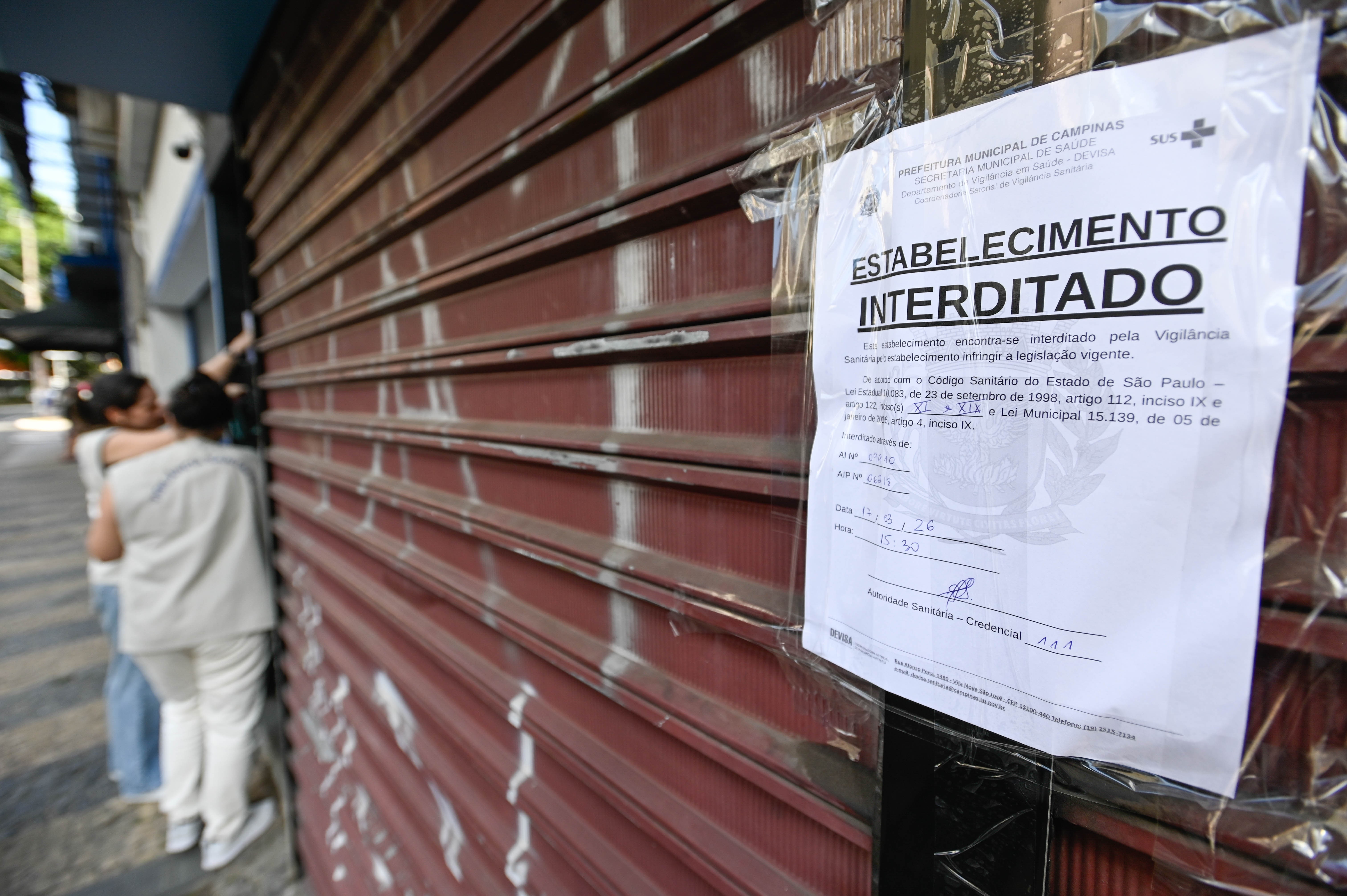
Campinas, São Paulo, has extended the validity period for sanitary licenses required for restaurants, pharmacies, clinics, markets, and certain industries from one year to three years. This change, published in the city's Official Gazette on Wednesday, August 8th, applies to new authorizations issued from this date forward. The sanitary license is a mandatory document for establishments involved in food, aesthetics, health, and health-related products, certifying their compliance with hygiene and safety standards. Businesses operating without this license risk penalties, including fines and potential closure by the Sanitary Surveillance agency. Licenses granted before July 7th will retain their one-year validity. The municipal government stated that this measure aims to streamline sanitary licensing processes and align its validity with that of other municipal regulatory bodies. The frequency of inspections will not be affected, as Sanitary Surveillance conducts its work based on risk assessments, allowing for inspections of any establishment at any time, either in person, remotely, or through document review. This extension is intended to reduce bureaucracy while maintaining public safety, with inspections guided by the Annual Planning of Sanitary Surveillance Actions (Paavs), which prioritizes establishments based on health risk, activity complexity, and historical data. Applications for the license can be submitted electronically via the SEI system, with fees varying based on the establishment's complexity.
The extension of sanitary license validity in Campinas from one to three years represents a move towards administrative simplification and potentially improved efficiency for businesses. By aligning with other regulatory bodies and emphasizing risk-based assessments, the city aims to reduce bureaucratic hurdles without compromising public health standards. This approach acknowledges that robust regulatory oversight can be achieved through targeted, intelligence-driven inspections rather than solely relying on frequent renewal cycles. The long-term impact will depend on the continued effectiveness of the risk assessment framework and the Sanitary Surveillance agency's capacity to conduct thorough, timely inspections, ensuring that public safety remains paramount amidst efforts to foster a more business-friendly environment.
AI-generated to prompt reflection — not editorial opinion, not advice, not a statement of fact. How this works.