Campinas 'Gas Station Dog' Missing in Patagonia; Family Seeks Help
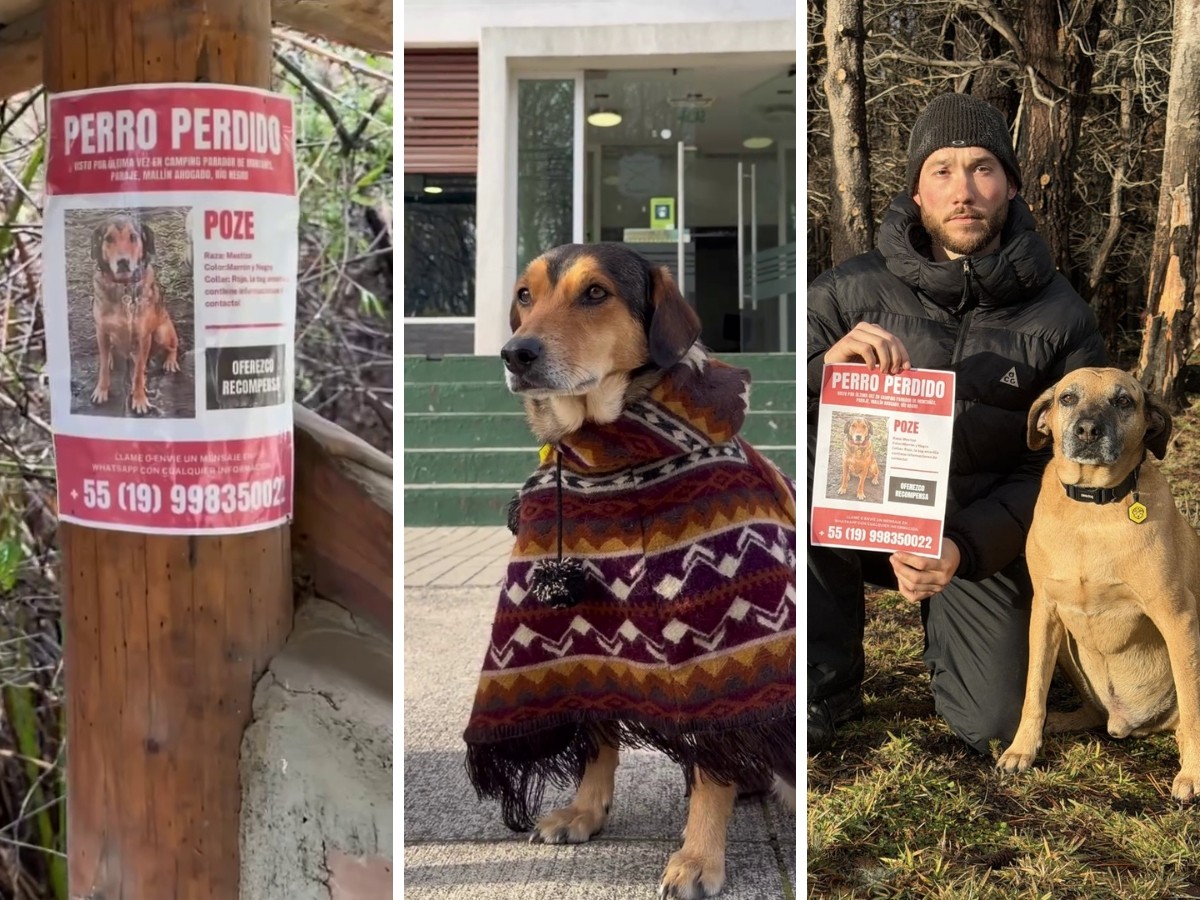
Poze, a well-known dog affectionately called 'Frentiscão' (Big Gas Station Attendant) from Campinas, Brazil, has gone missing during a family trip in Patagonia, Argentina. The dog disappeared on Sunday night, May 12th, while the family was camping in El Bolsón, a town of approximately 24,000 inhabitants. Poze, who was rescued as a puppy and wears a uniform at a gas station managed by his owner, Giovanni Fernandes, went missing after being let off-leash at a campsite. Giovanni has been actively searching, posting flyers, and enlisting the help of local residents and media. The search efforts are complicated by a broken trailer, dwindling funds, and limited dog food. The family is considering returning to Brazil to manage professional commitments and arrange care for their other three dogs—Matuê, Nagalli, and Flávia—before potentially returning to Patagonia. Poze and his canine companions were named after popular Brazilian trap and funk artists. The family plans to organize further searches with local support on Saturday, May 18th. Poze was last seen when the family let the dogs out at a campsite, a short distance from a ski resort. While the other three dogs returned, Poze did not. The location, characterized by difficult terrain including roads, a river, and mountain trails, presents significant search challenges. Compounding the difficulty, Poze's GPS tag is ineffective due to a lack of nearby internet-connected devices, and the extreme cold raises concerns about hypothermia and starvation. Local residents, accustomed to free-roaming dogs, may not recognize Poze as lost despite his identification collar. Poze, described as a resilient and interactive dog, was adopted by Giovanni's family after appearing at one of their gas stations. He joined Matuê, another adopted dog, at the station, and their uniformed presence inspired Giovanni to create a popular social media profile showcasing their lives.
The disappearance of Poze highlights the complex challenges of pet safety and search efforts when traveling internationally, particularly in remote regions with limited infrastructure. The situation underscores the reliance on technology for tracking, which can fail in areas lacking connectivity, and the impact of environmental factors like extreme weather on animal survival. Cultural differences in pet ownership and local awareness can also impede rescue operations. The family's dedication and community engagement in their search demonstrate the deep human-animal bond, while the logistical and financial strains illustrate the practical difficulties faced by pet owners in such circumstances. Future considerations for pet travel might include enhanced preparedness for technological failures and a deeper understanding of local conditions and customs.
AI-generated to prompt reflection — not editorial opinion, not advice, not a statement of fact. How this works.