Campinas Hospital Network Seeks 12 Doctors for Emergency Care Unit
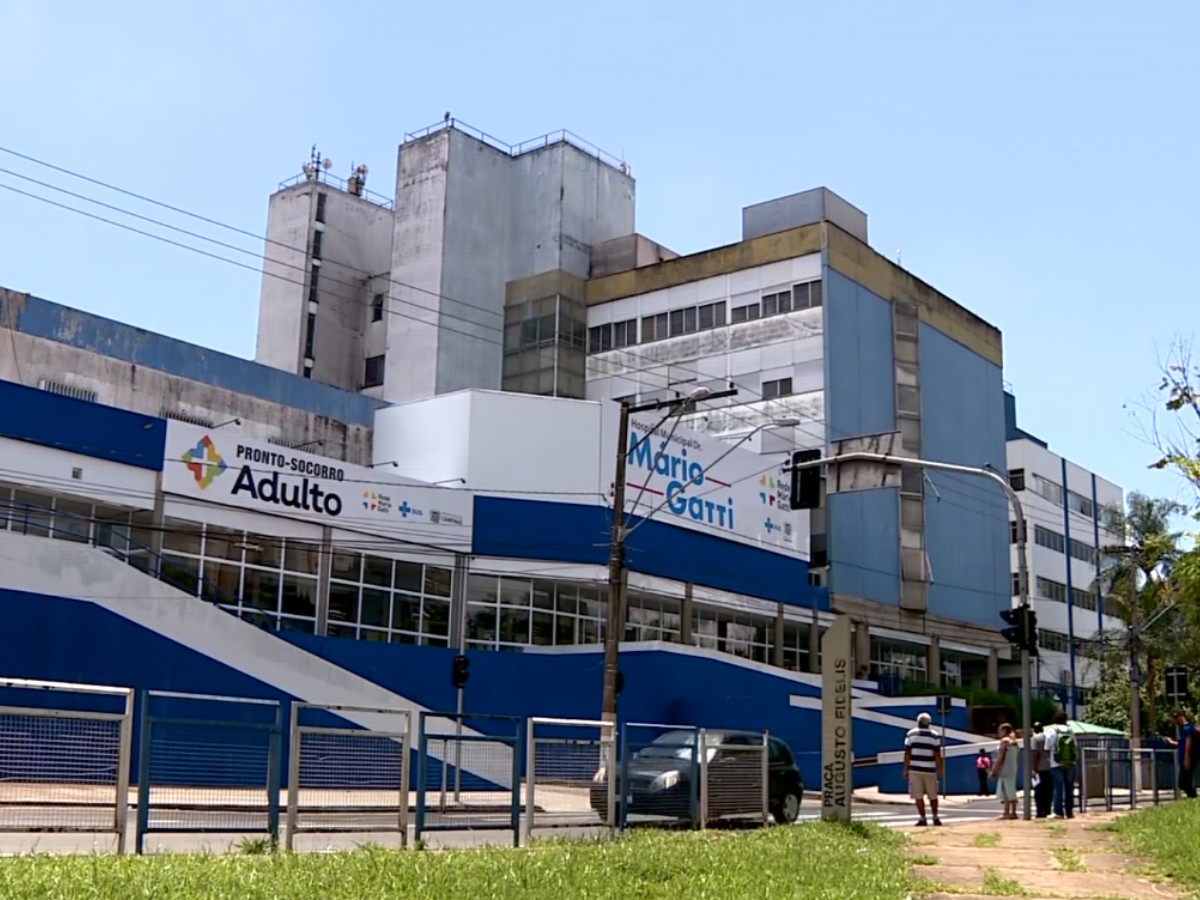
The Mário Gatti Network in Campinas, São Paulo, is launching a selection process to hire 12 physicians for the UPA Carlos Lourenço emergency care unit. This recruitment aims to replenish staff levels following recent employee departures due to resignations and retirements. The official notice was published on Thursday, May 30th, in the city's Official Gazette. The base salary for the position is R$ 3,996.41 for a 12-hour work week. In addition to the base salary, physicians will receive a productivity bonus of R$ 2,069.42, an environmental hazard allowance of R$ 259.37, and an emergency shift bonus. Of the 12 available positions, three are designated for Black or mixed-race candidates, and one is reserved for individuals with disabilities. Applicants must hold a medical degree and possess an active registration with their professional medical council. Free online registration is open until August 9, 2026, at 11:59 PM via the Mário Gatti Network's website. The selection process will solely consist of a title-based evaluation for classification purposes. The anticipated start date for the new physicians is September 1st of this year. The initial employment contract will be for four months, with the possibility of extension up to one year, contingent on the unit's operational needs.
This selection process addresses immediate staffing needs within Campinas's public healthcare system, specifically at the UPA Carlos Lourenço. The structure of compensation, including base salary, productivity bonuses, and hazard pay, reflects an effort to attract and retain medical professionals in a demanding public service environment. The inclusion of reserved spots for specific demographic groups and individuals with disabilities aligns with broader social equity objectives in public employment. The short initial contract duration, with potential for extension, suggests a flexible approach to workforce management, possibly influenced by budget cycles or evolving service demands. This model highlights the ongoing challenge for public health systems to balance operational efficiency, competitive compensation, and equitable access to employment opportunities within the evolving healthcare landscape.
AI-generated to prompt reflection — not editorial opinion, not advice, not a statement of fact. How this works.