Campinas Hospital's Sterilization Equipment Shut Down Over Water Quality Concerns
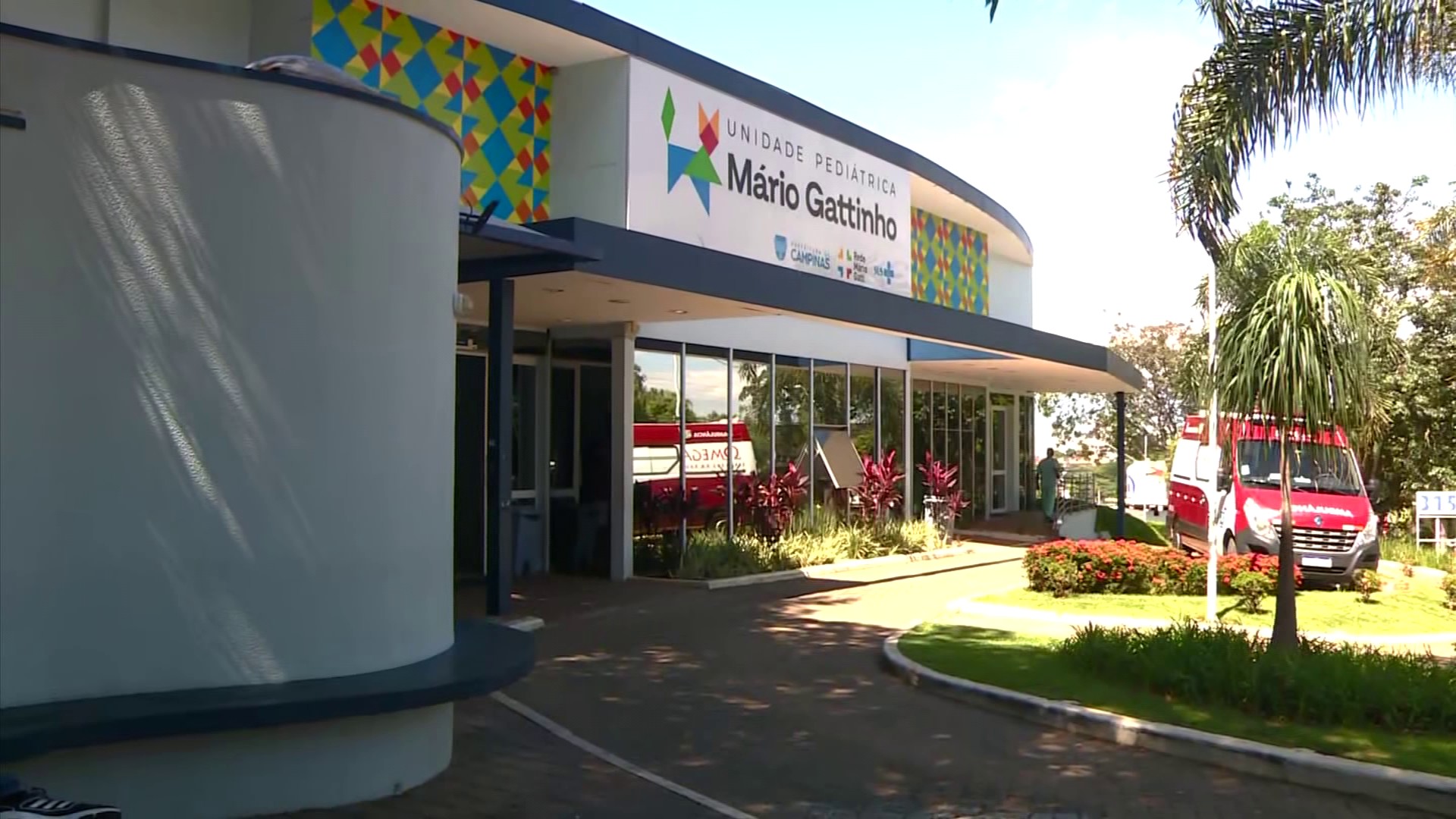
Health authorities in Campinas, São Paulo, have shut down a crucial sterilization machine at the Mário Gattinho Pediatric Unit's Central Material and Sterilization Unit (CME). The decision, published on Monday, July 13th, followed an analysis revealing that the purified water used in the thermodisinfector exceeded acceptable microbiological standards. The health surveillance agency collected water samples on June 10th, and the lab results released on July 1st indicated a higher-than-permitted level of heterotrophic bacteria, as defined by the Brazilian Pharmacopoeia. The municipality stated that the equipment was immediately taken out of service upon receipt of the results. Since then, materials from the pediatric unit have been processed at the CME of the Municipal Hospital Dr. Mário Gatti. A thermodisinfector is essential for cleaning and disinfecting hospital instruments, necessitating strict water quality control. The Mário Gatti Network assured that this closure has not impacted patient care or procedures, with the Municipal Hospital's CME managing the increased workload. No infections or adverse events linked to this situation have been reported. Heterotrophic bacteria, while common in various environments including water, can indicate a failure in water purification barriers when present in excessive amounts. The health agency issued a notice of infraction for the equipment's irregularity, but no fine will be imposed in this instance. A contingency plan, approved by health authorities, is in place, involving the temporary use of the Municipal Hospital's CME. Repairs are underway, with an estimated completion time of 20 days. The machine will remain offline until repairs are finished and new tests confirm the water meets required standards, followed by an inspection and release by health authorities.
The temporary suspension of the thermodisinfector at Mário Gattinho Pediatric Unit highlights the critical importance of maintaining stringent water quality standards in healthcare sterilization processes. While the immediate impact on patient care appears minimal due to contingency planning, the incident underscores systemic vulnerabilities in water purification and monitoring protocols. The presence of elevated heterotrophic bacteria, even if not directly pathogenic, serves as an indicator of potential breaches in water safety infrastructure. Future-proofing such systems requires not only robust repair and testing protocols but also proactive investment in advanced water treatment technologies and continuous, real-time monitoring to prevent deviations before they trigger regulatory action. This situation presents an opportunity to reassess the resilience and redundancy of critical hospital infrastructure, ensuring that patient safety remains paramount even amidst unforeseen equipment or environmental challenges.
AI-generated to prompt reflection — not editorial opinion, not advice, not a statement of fact. How this works.