Campinas Hospital's Sterilization Unit Reopens After Sanitary Authority Lifts Partial Ban
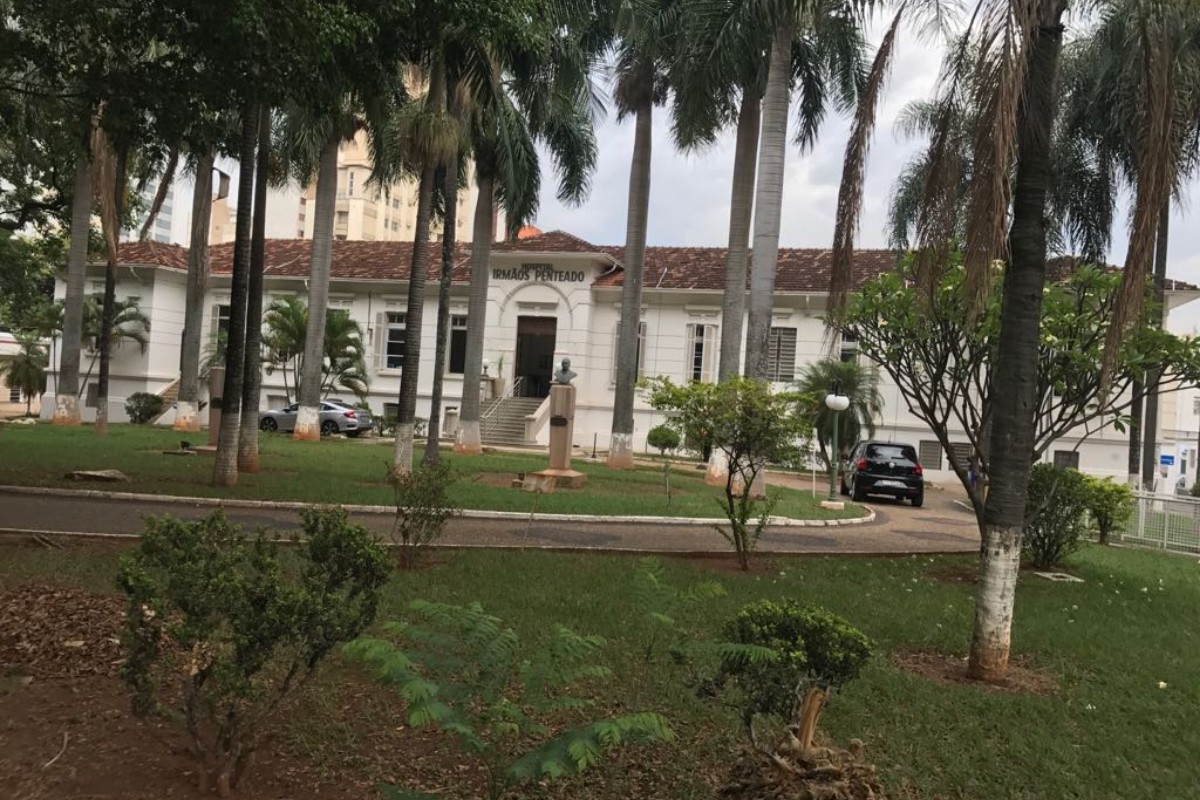
The Sanitary Vigilance department has lifted a partial embargo on the Central Material and Sterilization Unit (CME) at Hospital Irmãos Penteado in Campinas, São Paulo. This decision, confirmed by the regulatory body on Friday, October 31st, allows the hospital to resume elective surgeries involving orthopedic, ophthalmological, cardiac, and neurological implants. These procedures had been suspended following the initial partial closure. The lifting of the ban follows the hospital's successful implementation of necessary adjustments to the CME's purified water system. A report from the city's Official Gazette dated June 26, 2026, had previously identified excessive levels of heterotrophic bacteria in the water used for the final rinse of materials sterilized by osmosis. Heterotrophic bacteria are environmental microorganisms that can range from beneficial decomposers to disease-causing agents like staphylococci, streptococci, and pseudomonas. Hospital management stated that the corrective measures taken have met the sanitary authority's requirements, enabling the full resumption of CME activities. They reaffirmed their commitment to patient safety, quality care, and strict adherence to sanitary regulations, with ongoing process monitoring. An infectious disease specialist clarified that while high concentrations of heterotrophic bacteria don't automatically mean the water contains pathogens, they serve as indicators of overall water quality. A failure in water protection barriers can lead to compromised sterilization of medical materials, although the altered test results do not confirm prior contamination of materials. Hospitals conduct periodic analyses to detect such issues before they pose a risk to patients.
The resolution of the sanitary issue at Hospital Irmãos Penteado highlights the critical role of water quality in healthcare sterilization processes. While the hospital has addressed the specific bacterial contamination, this event underscores the systemic challenge of maintaining stringent water purity standards in medical facilities. The reliance on indicator organisms like heterotrophic bacteria suggests a proactive monitoring approach, but the incident also points to potential vulnerabilities in water treatment or distribution systems. Future efforts should focus on enhancing the resilience and redundancy of these systems to prevent recurrence, ensuring that technological advancements in sterilization are fully supported by robust infrastructure. This situation prompts consideration of how regulatory frameworks can better anticipate and mitigate risks associated with environmental factors impacting medical device safety.
AI-generated to prompt reflection — not editorial opinion, not advice, not a statement of fact. How this works.