Campinas Launches School Vaccination Drive for Children Up to 14 to Boost Immunization Rates
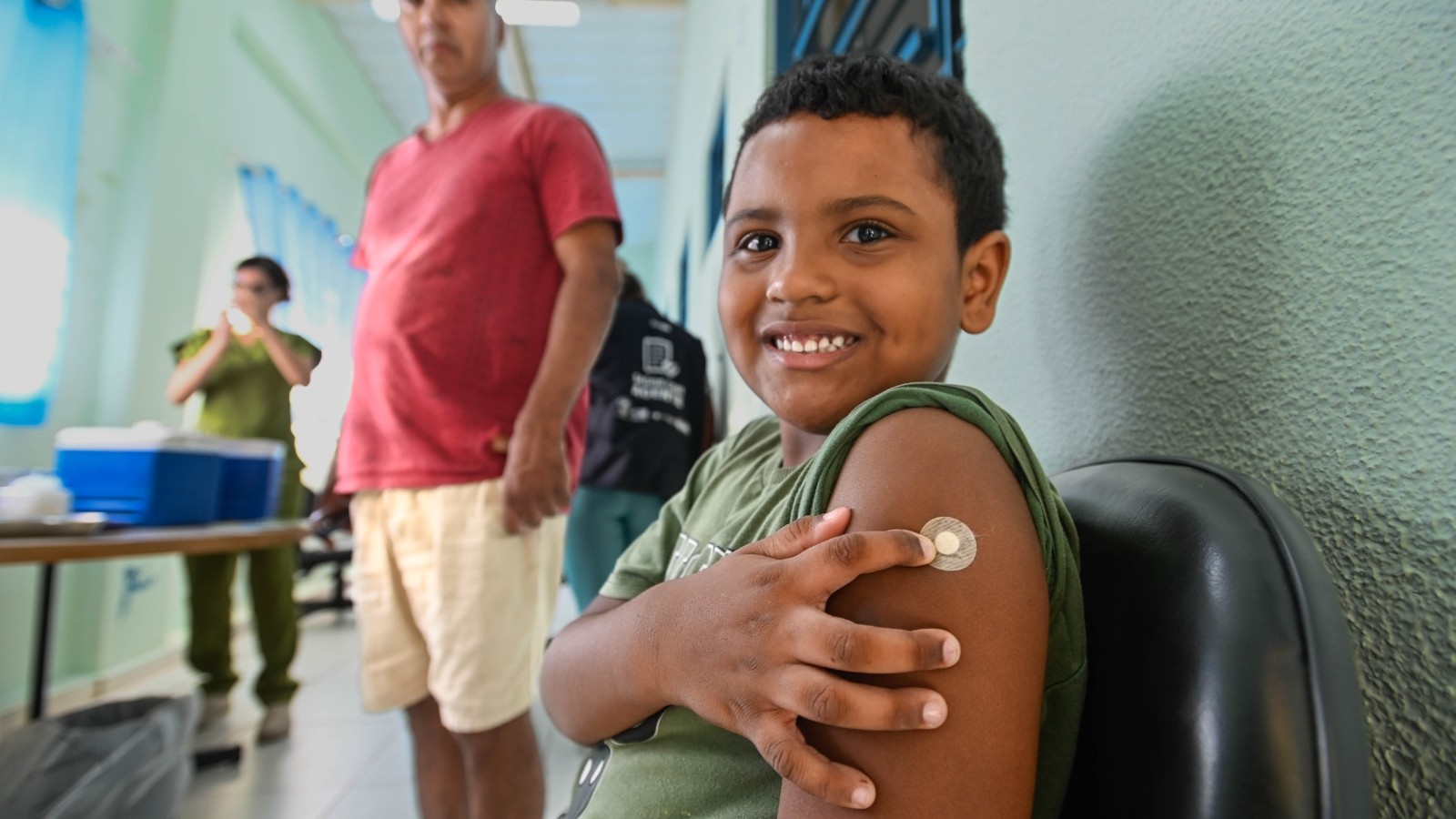
Campinas, Brazil, has initiated a vaccination campaign within municipal and state schools targeting children and adolescents up to 14 years old. This initiative, running from August 4th to September 1st, aims to update immunization records for approximately 60 educational institutions across the city. The program began at EMEF/EJA Padre Leão Vallerie in Parque Valença I, in collaboration with the Municipal Secretariat of Education. Parental or guardian authorization will be required for vaccinations, with schools notifying families in advance. The strategy specifically targets students, particularly adolescents, who often have delayed vaccination schedules. Measles vaccination is a key priority, as Campinas has not recorded cases since 2021, but the health secretariat remains vigilant due to rising cases elsewhere. The state of São Paulo has reported 14 measles cases this year, with outbreaks also occurring in the United States, Canada, and Mexico. Municipal data indicates that 11,837 children under four have pending measles vaccinations out of a total of 61,483 registered in the e-SUS system; health officials will contact these families to rectify their status. Beyond schools, vaccinations are also available at all city health centers without appointments, though photo identification and vaccination cards are recommended.
This vaccination initiative in Campinas addresses a critical public health objective: maintaining high immunization coverage to prevent the resurgence of preventable diseases like measles. By extending outreach into educational settings, the program seeks to overcome logistical barriers and improve access for a demographic that may experience vaccination delays. The strategy acknowledges the importance of parental consent and proactive communication, crucial elements for building trust and ensuring participation. The focus on measles, a disease with documented international resurgence and local under-vaccination concerns, highlights a proactive public health stance. Future efforts could explore leveraging digital health records more effectively for automated reminders and tracking, further optimizing resource allocation and population health outcomes.
AI-generated to prompt reflection — not editorial opinion, not advice, not a statement of fact. How this works.
