Campinas Leads Brazil's Interior in Electric Vehicle Sales, Surpassing 2,200 Units in Early 2026
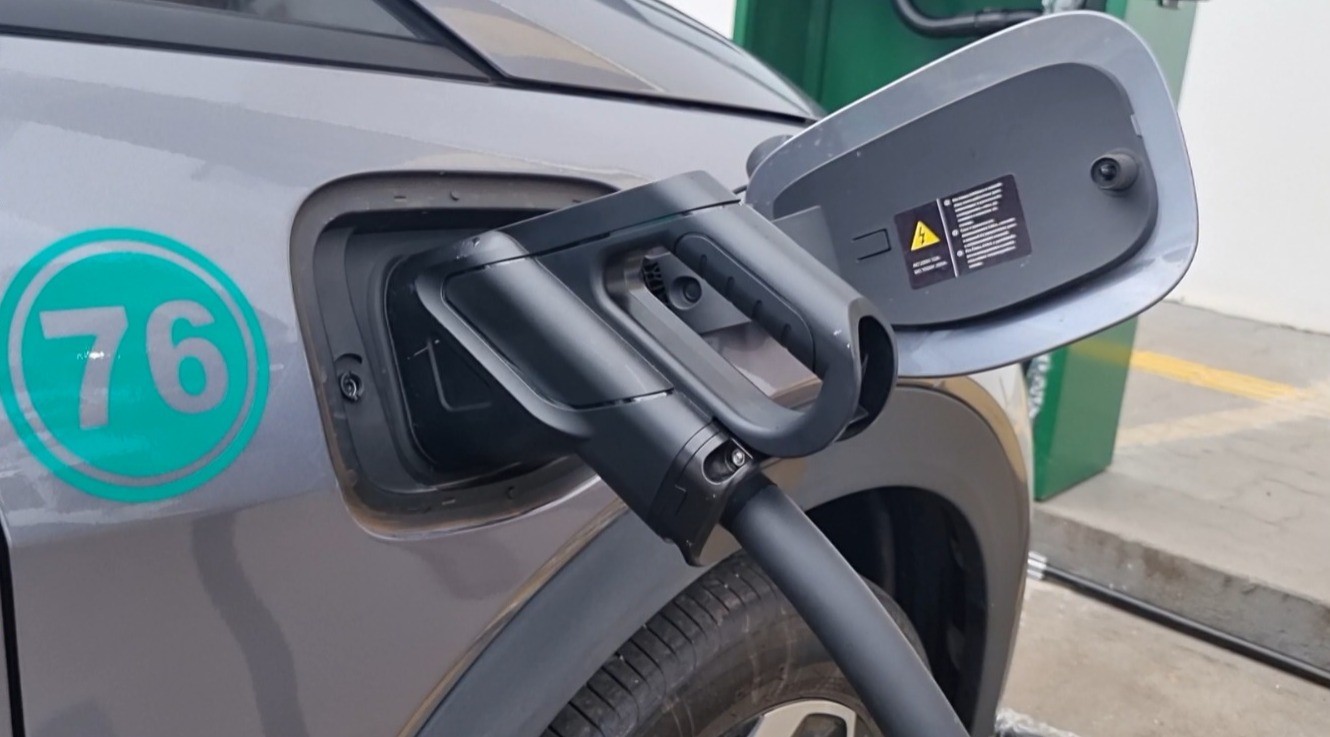
Campinas, Brazil, has solidified its position as the leading market for electrified vehicles in the country's interior. Between January and May of 2026, the city registered 2,234 new electric vehicle sales, averaging approximately 14.7 vehicles per day. This figure represents a significant 33.7% increase compared to the same period in 2025, when 1,671 units were sold. Since the Brazilian Association of Electric Vehicles (ABVE) began tracking data in January 2022, Campinas has accumulated a total of 12,171 electrified vehicle registrations. The city's performance places it ahead of major capitals like Fortaleza, Florianópolis, and Manaus in terms of interior market leadership. The sales data encompasses all electrified technologies available in Brazil, including fully electric vehicles (BEV), plug-in hybrids (PHEV), conventional hybrids (HEV), flex-fuel hybrids (HEV Flex), and micro-hybrids (MHEV). The market has experienced rapid growth, with Campinas's sales increasing from 667 units in 2022 to 3,726 in 2025. The first five months of 2026 alone accounted for about 60% of the total volume sold in the entire previous year. Monthly sales figures have also surged, from an average of 56 vehicles in 2022 to 447 per month in early 2026. Campinas is recognized as a national benchmark for the transition to electric mobility, attracting investments in charging infrastructure, research centers, and related automotive and energy companies. Thiago Sugahara, director of ABVE, emphasized the importance of continued investment in public infrastructure to promote efficient vehicles and support the energy transition away from traditional combustion engines.
Campinas's robust growth in electrified vehicle sales highlights the accelerating adoption of new automotive technologies beyond major metropolitan centers. This trend suggests that factors beyond just high population density, such as targeted infrastructure development and potentially favorable local economic conditions or incentives, are driving market penetration. The data indicates a broader national shift, with Campinas emerging as a key regional hub. Future market dynamics will likely depend on the scalability of these localized success factors, the evolution of national policy, and the continued development of charging infrastructure to support this expanding fleet. The increasing sales volume across various electrified categories underscores a significant, systemic shift in consumer preference and technological integration within the automotive sector.
AI-generated to prompt reflection — not editorial opinion, not advice, not a statement of fact. How this works.