Campinas Nursing Home Shut Down Due to Severe Hygiene Lapses and Food Shortages
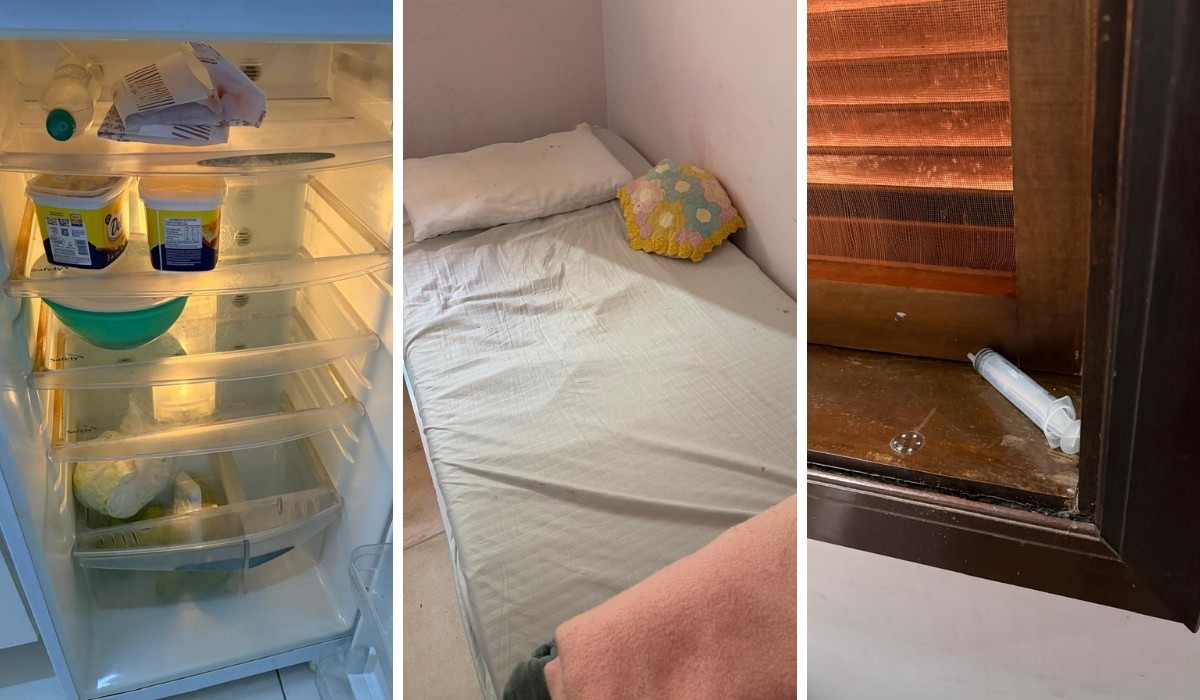
A nursing home in the Chácara Primavera neighborhood of Campinas, São Paulo, was shut down by the Sanitary Surveillance agency on Friday, November 17th, following a municipal announcement on Tuesday, November 21st. The closure was prompted by critical findings, including severe hygiene issues, a lack of staff, and insufficient food supplies. The facility also lacked a valid sanitary license and a designated technical responsible person. The institution, identified as an Elderly Long-Term Care Institution (ILPI), housed thirteen elderly residents. These residents are now under the care of the Secretariat of Social Development and Assistance and the Municipal Council for the Elderly (CMI). During the inspection, authorities discovered a complete absence of cleaning, laundry, and kitchen staff. Food scarcity was evident, and unsanitary conditions included dirt on surfaces and furniture, with used bedding found soiled with urine and secretions. Furthermore, essential resident medical records and updated prescriptions were missing. Hand hygiene stations were devoid of necessary supplies, and residents' personal items like toothbrushes and combs were left exposed in bathrooms, posing contamination risks. Some of these issues had been previously noted in earlier inspections but were reportedly exacerbated instead of rectified. The recent inspection was expedited due to a complaint filed with the Public Prosecutor's Office. The institution has a ten-day period to appeal the decision, and reopening will only be permitted after all identified deficiencies are addressed and approved by the Campinas Sanitary Surveillance.
The closure of the Campinas nursing home highlights systemic failures in regulatory oversight and operational management within the elder care sector. The repeated nature of the violations, despite prior inspections, suggests a potential gap between enforcement mandates and actual compliance, possibly influenced by resource constraints or a lack of robust accountability mechanisms. The incident underscores the critical importance of ensuring adequate staffing levels, stringent hygiene protocols, and proper documentation in facilities entrusted with the care of vulnerable populations. Moving forward, a focus on proactive auditing, transparent reporting of facility conditions, and swift, decisive action against non-compliance will be crucial to prevent future occurrences and uphold the dignity and safety of residents. The long-term implications involve reassessing the effectiveness of current licensing and inspection frameworks to ensure they adequately safeguard public health and well-being.
AI-generated to prompt reflection — not editorial opinion, not advice, not a statement of fact. How this works.