Campinas Opens New SUS Hospital to Increase Surgeries and Ease Strain on Complex Care Units
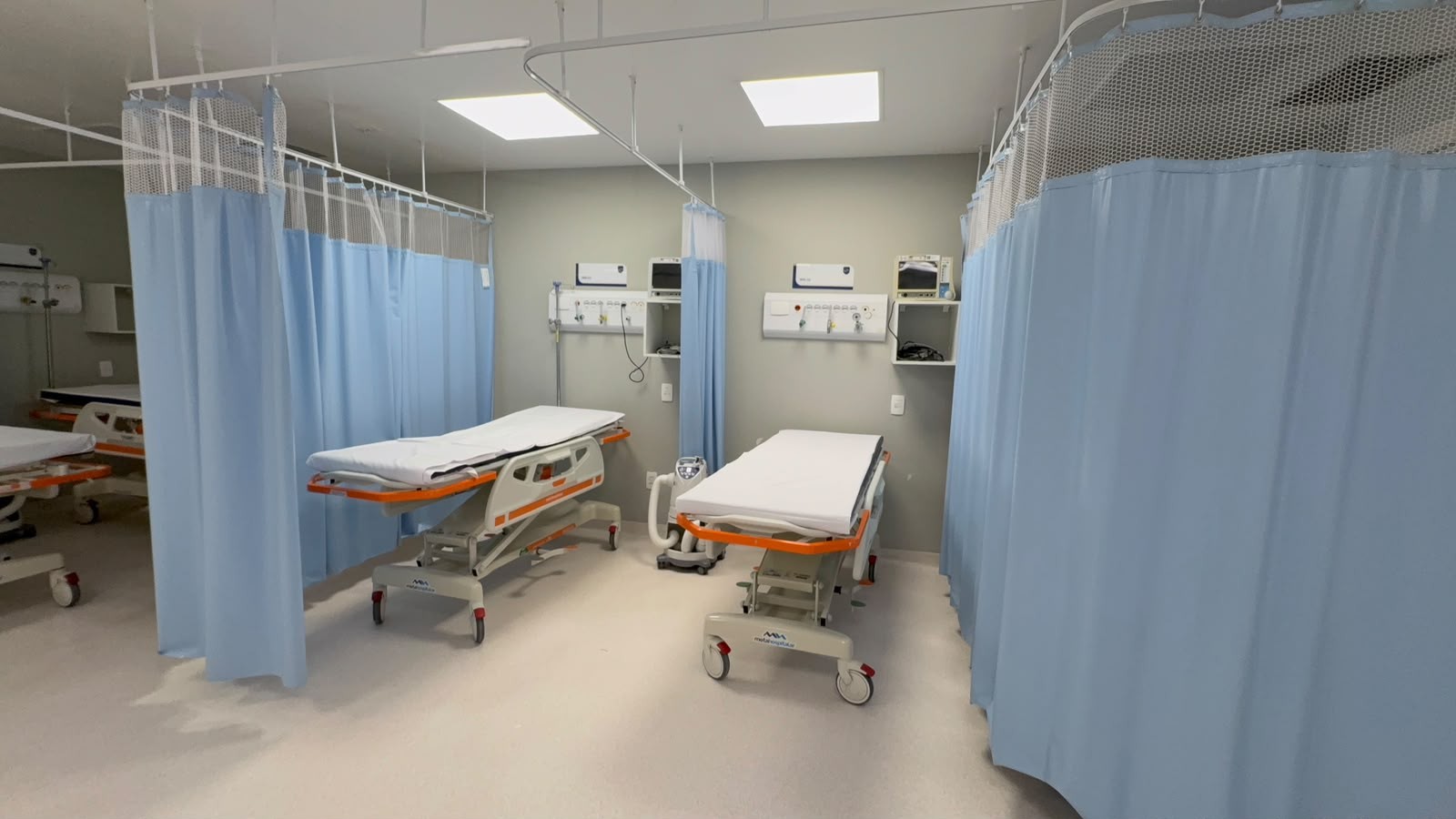
Campinas, Brazil, has inaugurated the São Leopoldo Mandic Hospital, a new facility dedicated to the Unified Health System (SUS). The hospital began operations this Monday, May 13th, with 23 beds allocated for SUS patients, focusing on medium-complexity surgeries and hospitalizations. This new unit aims to expand access to care and alleviate the significant demand on high-complexity hospitals in the region, such as Hospital PUC-Campinas and the Hospital de Clínicas (HC) of Unicamp, which have recently experienced severe overcrowding. Patients will be referred to the new hospital through the state's Central de Regulação de Ofertas de Serviços de Saúde (CROSS), as it will not have an emergency room or direct patient intake. The facility is projected to expand its capacity to 72 beds within the next 60 to 90 days, including nine intensive care unit (ICU) beds and seven operating rooms. Looking further ahead, there is a plan to add an additional 180 SUS beds, contingent on public sector support. The São Leopoldo Mandic Hospital operates as a philanthropic institution, emphasizing that it does not seek profit but requires financial sustainability. The existing Vera Cruz hospital will continue its operations within the same building, serving patients with private health insurance, while the new São Leopoldo Mandic unit will exclusively cater to SUS patients. The medical staff will primarily consist of professionals associated with the São Leopoldo Mandic Faculty, including professors, residents, and former students.
The establishment of the São Leopoldo Mandic Hospital for SUS patients in Campinas addresses a critical bottleneck in the region's healthcare infrastructure, characterized by recurrent overcrowding in specialized units. By creating a dedicated facility for medium-complexity procedures, the initiative aims to optimize resource allocation and improve patient flow. This model, where a private philanthropic entity partners with the public health system, highlights a potential strategy for expanding healthcare access without solely relying on public investment. However, the long-term sustainability of such partnerships, especially the planned expansion to 180 additional beds, will likely depend on consistent public funding and effective governance to ensure operational efficiency and quality of care. The system's reliance on centralized referral (CROSS) underscores the importance of robust regulatory oversight to prevent disparities and ensure equitable access across the network.
AI-generated to prompt reflection — not editorial opinion, not advice, not a statement of fact. How this works.