Campinas Region Swings 20°C in a Day: Experts Advise on Protection
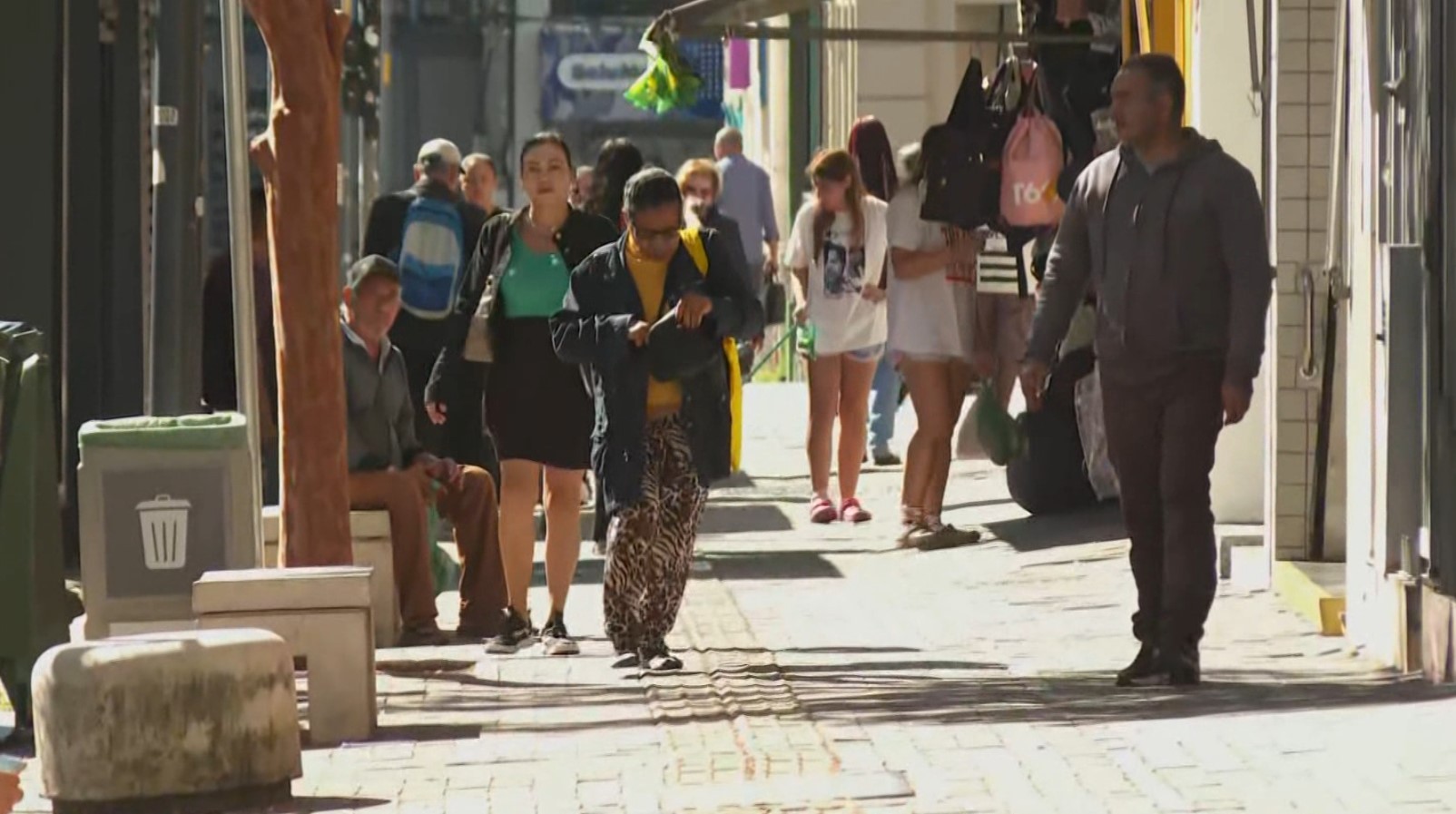
Residents in the Campinas region of São Paulo, Brazil, experienced a significant temperature fluctuation of nearly 20 degrees Celsius on Thursday, May 16th. In Morungaba, temperatures ranged from a low of 4.2°C in the morning to a high of 24°C in the early afternoon, a variation of 19.8°C. Tuiuti saw a swing of 18.3°C (4.7°C to 23°C), and Monte Mor recorded a 19.5°C difference (5.5°C to 25°C), according to data from Ciiagro. Meteorologist Ana Ávila from Cepagri-Unicamp explained that this oscillation is common during this time of year due to a high-pressure system influencing the region. This system causes air to descend, becoming drier and inhibiting cloud formation. The absence of clouds allows solar radiation to easily heat the ground during the day, leading to rapid temperature increases. Conversely, at night, heat is rapidly lost to the atmosphere without cloud cover, causing temperatures to drop sharply. This phenomenon, known as radiative cooling, results in intense cold in the early morning and significant warmth by the afternoon. The dry air and high afternoon temperatures can dry out respiratory passages, increasing the risk of allergic reactions. Conversely, the morning and evening cold can lead to people congregating in enclosed, heated spaces, facilitating the spread of respiratory viruses. To mitigate these effects, experts recommend dressing in layers to adapt to changing temperatures throughout the day. Staying well-hydrated is crucial, even on cooler days, and using nasal saline, eye drops, or humidifiers indoors can help combat dryness and reduce airborne dust, thereby lessening allergic symptoms. Special attention should be paid to children, the elderly, and individuals with respiratory conditions, who are more susceptible to the combined effects of temperature swings and low humidity.
The significant diurnal temperature range observed in Campinas highlights a common meteorological phenomenon driven by atmospheric pressure systems and radiative processes, exacerbated by seasonal conditions. While natural, such extreme temperature swings, coupled with low humidity, present public health challenges by creating environments conducive to both allergic reactions and the transmission of viral respiratory illnesses. This underscores the importance of adaptive personal behavior, such as layering clothing and maintaining hydration, as recommended by specialists. From a systems perspective, understanding and forecasting these microclimatic variations is critical for public health preparedness, particularly for vulnerable populations. Future climate trends may intensify such phenomena, necessitating ongoing research into resilient urban planning and public health strategies that account for increased weather volatility and its impact on human health and well-being.
AI-generated to prompt reflection — not editorial opinion, not advice, not a statement of fact. How this works.