Campinas Region to Experience Unseasonably Warm 'Veranico' Period This Week
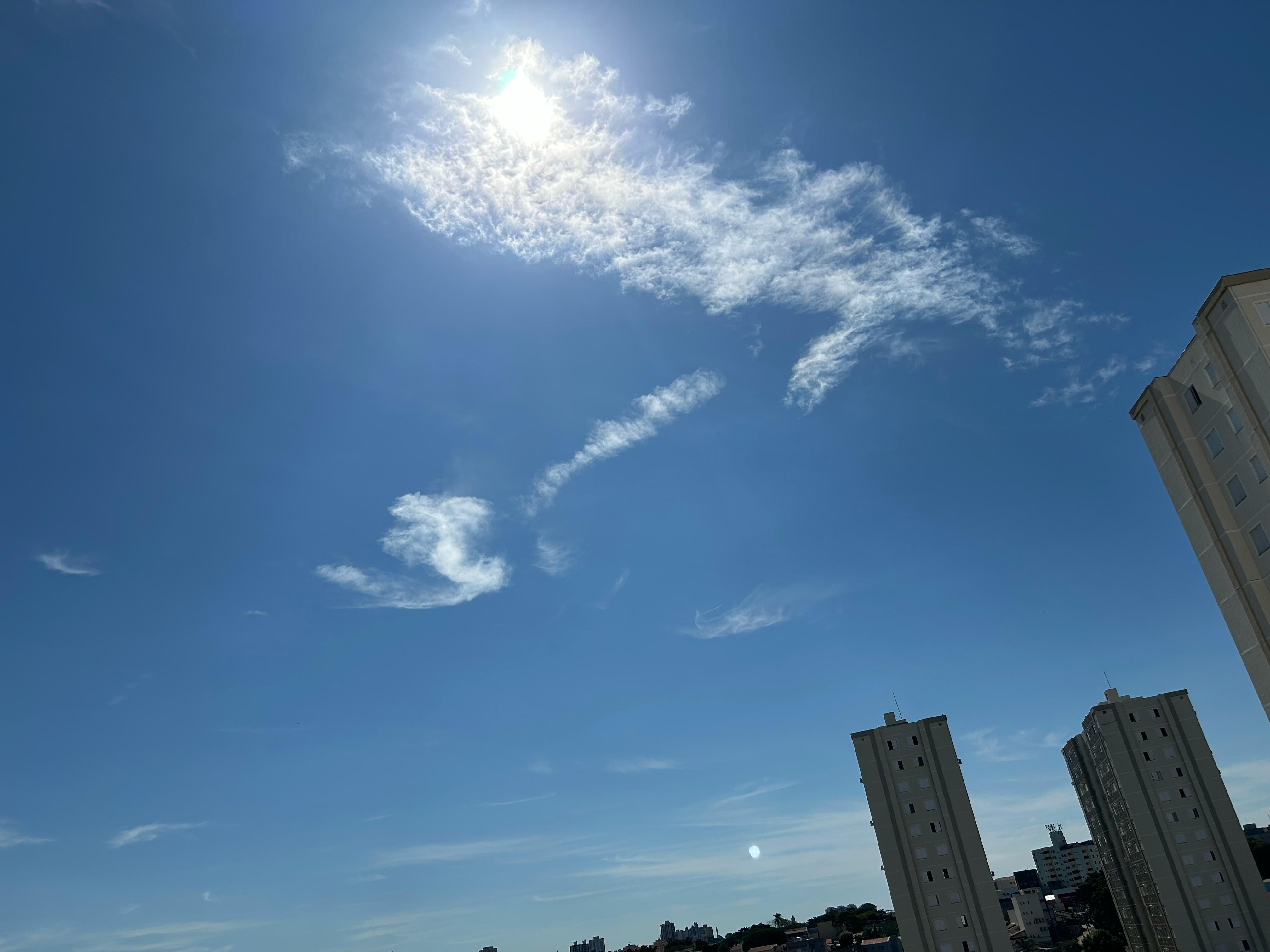
The Campinas region in São Paulo, Brazil, is set to experience a 'veranico' phenomenon, characterized by unseasonably warm weather, from Friday, June 17th, to Wednesday, June 22nd. During this period, daytime temperatures are expected to rise significantly, potentially reaching highs of 30°C, a departure from typical winter conditions. This 'veranico' is a common occurrence in Brazil's Southeast during winter, though its duration can fluctuate. Meteorologist Diego Santos from Cepagri stated that all cities in the region will likely experience similar conditions. Maximum temperatures are forecast to range between 27°C and 30°C, with minimum temperatures falling between 13°C and 16°C. These highs are expected to be 2°C to 5°C above the average for July. The period is also marked by a large daily temperature range, with cool mornings giving way to warm afternoons, and low relative humidity. This combination can lead to dry respiratory tracts, potentially exacerbating conditions like rhinitis, sinusitis, and allergies, particularly in vulnerable groups such as children, the elderly, and those with chronic illnesses. Health recommendations include staying hydrated, avoiding strenuous outdoor activities during peak heat, limiting prolonged sun exposure, and wearing warm clothing in the early mornings and evenings. Specific forecasts for the coming days include: Friday (17th) with a high of 27°C and low of 12°C; Saturday (18th) with a high of 27°C and low of 13°C; and Sunday (19th) with a high of 28°C and low of 14°C.
This forecast of a 'veranico' in Campinas highlights the complex interplay of atmospheric blocking and seasonal weather patterns. While described as a common phenomenon, the elevated temperatures, exceeding seasonal averages by several degrees, warrant attention within the broader context of climate variability. The associated low humidity and significant diurnal temperature swings present public health considerations, particularly concerning respiratory conditions. Understanding the frequency and intensity of such events can inform public health preparedness and resource allocation. Furthermore, analyzing the persistence of atmospheric blocking patterns that enable these 'veranico' periods may offer insights into broader meteorological trends and their potential implications for regional climate stability over the next decade.
AI-generated to prompt reflection — not editorial opinion, not advice, not a statement of fact. How this works.