Campinas Retail Sales Decline After Two Years of Growth Amidst Credit Crunch
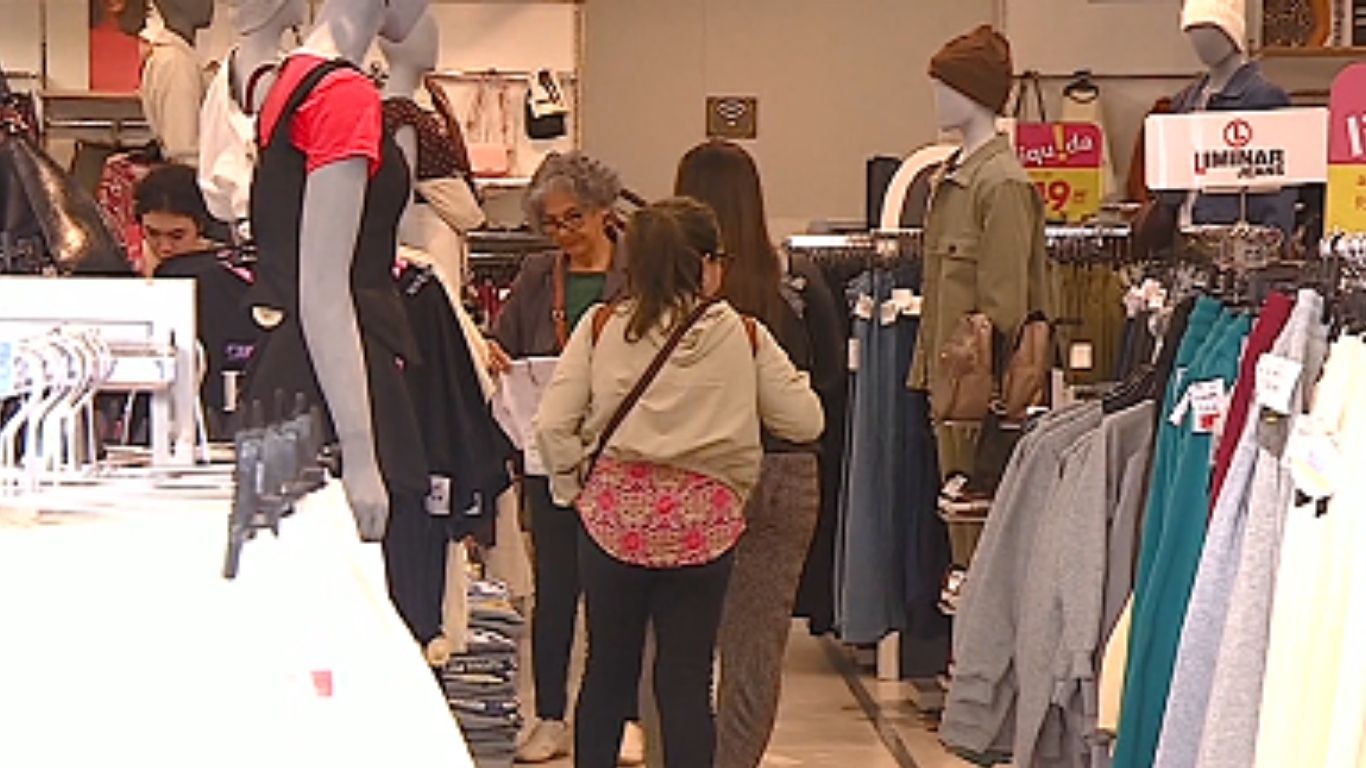
Retail sales in the Campinas region of São Paulo, Brazil, experienced a 0.8% decline between January and April 2026, marking the end of a two-year growth streak. This downturn follows a robust performance in previous years, with sales increasing by 8.9% in 2024 and 8.1% in 2025. According to Bruno de Souza, economic advisor at FecomercioSP, the retraction is attributed to three primary factors: tighter consumer credit, elevated interest rates, and increased household debt. Consequently, consumers are exhibiting a shift in behavior, prioritizing essential goods and conducting more price comparisons, leading to significant sales drops in sectors like home appliances, electronics, and construction materials. Despite the regional dip, Campinas's retail performance was more resilient than the state average, which saw a 5.1% decrease. The first four months of 2026 still represent the second-best performance for this period since the survey began in 2008. After initial declines in January and February, the region's commerce saw a rebound in March and April, driven by sales in the automotive, pharmacy, and supermarket sectors. Automotive dealerships, in particular, report optimism, with one local manager noting a 30% sales increase over the past year and a strong start to 2026, even amidst a minor dip during the World Cup. Experts suggest further observation is needed to confirm the sustainability of this recovery.
The recent downturn in Campinas's retail sector, following a period of expansion, highlights the sensitivity of consumer spending to macroeconomic conditions such as credit availability and interest rates. While the region outperformed the state average, the underlying economic pressures suggest a need for sustained consumer confidence and stable monetary policy to ensure continued recovery. The observed shift towards essential goods and price-conscious behavior indicates a recalibration of consumer priorities in response to financial strain. Looking ahead, the resilience of sectors like automotive and essential retail may offer insights into future market dynamics, but a broader economic environment conducive to discretionary spending will be crucial for a sustained upswing across the entire retail landscape.
AI-generated to prompt reflection — not editorial opinion, not advice, not a statement of fact. How this works.