Campinas Sees 918% Surge in Permanent Vehicle De-registrations After Legal Changes
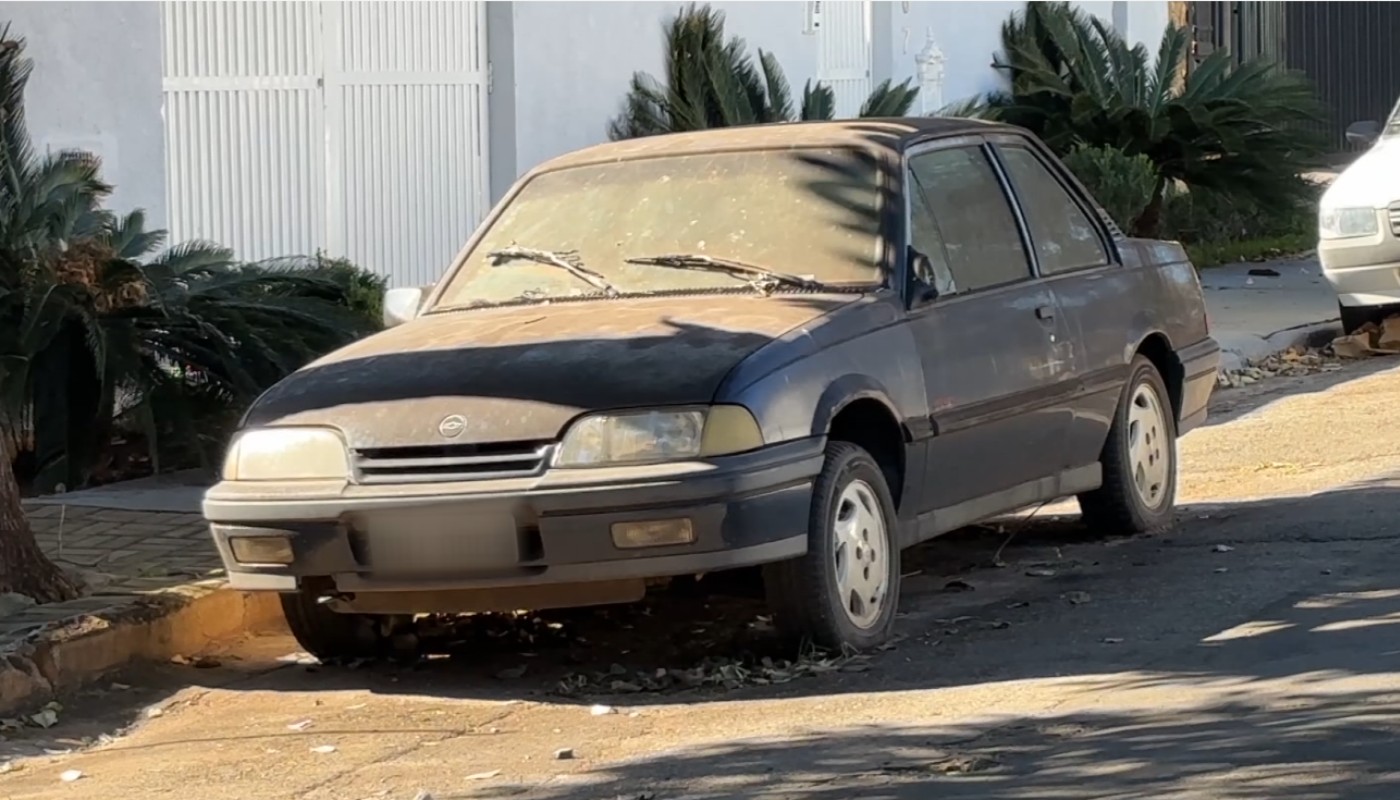
Campinas, Brazil, has experienced a dramatic 918% increase in permanent vehicle de-registrations during the first half of 2026 compared to the same period last year, according to the State Department of Traffic (Detran). From January to June 2026, a total of 5,224 vehicles were permanently removed from circulation. This figure surpasses the 513 de-registrations recorded in the first half of 2025 and even the entire total of 4,445 vehicles de-registered in all of 2025. Permanent de-registration is mandatory for vehicles permanently taken out of circulation due to total loss from accidents, dismantling, sale as scrap, auction for dismantling, or if a vehicle has been unlicensed for ten years or more and is at least twenty-five years old. The surge is attributed to a 2024 legal amendment that allows vehicle owners to de-register their vehicles without first settling outstanding debts like IPVA and fines. These debts are now attached to the owner's CPF, to be paid later. Previously, all debts had to be cleared before de-registration, a step many found not worthwhile. Another contributing factor is the simplified process for obtaining the vehicle's de-characterization report, now obtainable on-site by inspection companies, eliminating the need for owners to transport non-operational vehicles to Detran and inspection facilities. This change is particularly beneficial for vehicles in poor condition, reducing towing costs. Detran emphasizes the importance of de-registration to prevent accumulating unnecessary debts. The process now requires the owner's documentation and the de-characterization report from a registered company, with de-registration completed within one business day without fees. Subsequently, vehicles can be sold to accredited dismantlers for parts.
The significant rise in permanent vehicle de-registrations in Campinas, driven by regulatory changes, highlights a shift in how vehicle ownership and disposal are managed. The policy modification, allowing de-registration without immediate debt settlement, addresses a prior systemic friction point, reducing the financial burden and administrative complexity for owners. This suggests a move towards more pragmatic governance that acknowledges the economic realities faced by vehicle owners, particularly those with older or damaged vehicles. The increased efficiency in the de-characterization process further streamlines compliance. Looking ahead, this trend may influence vehicle lifecycle management policies nationwide, potentially impacting tax collection strategies and the market for salvaged vehicle parts. It also raises questions about long-term debt recovery mechanisms and the environmental implications of increased vehicle dismantling.
AI-generated to prompt reflection — not editorial opinion, not advice, not a statement of fact. How this works.