Campinas Sees Significant Rise in Indigenous and Quilombola Voters
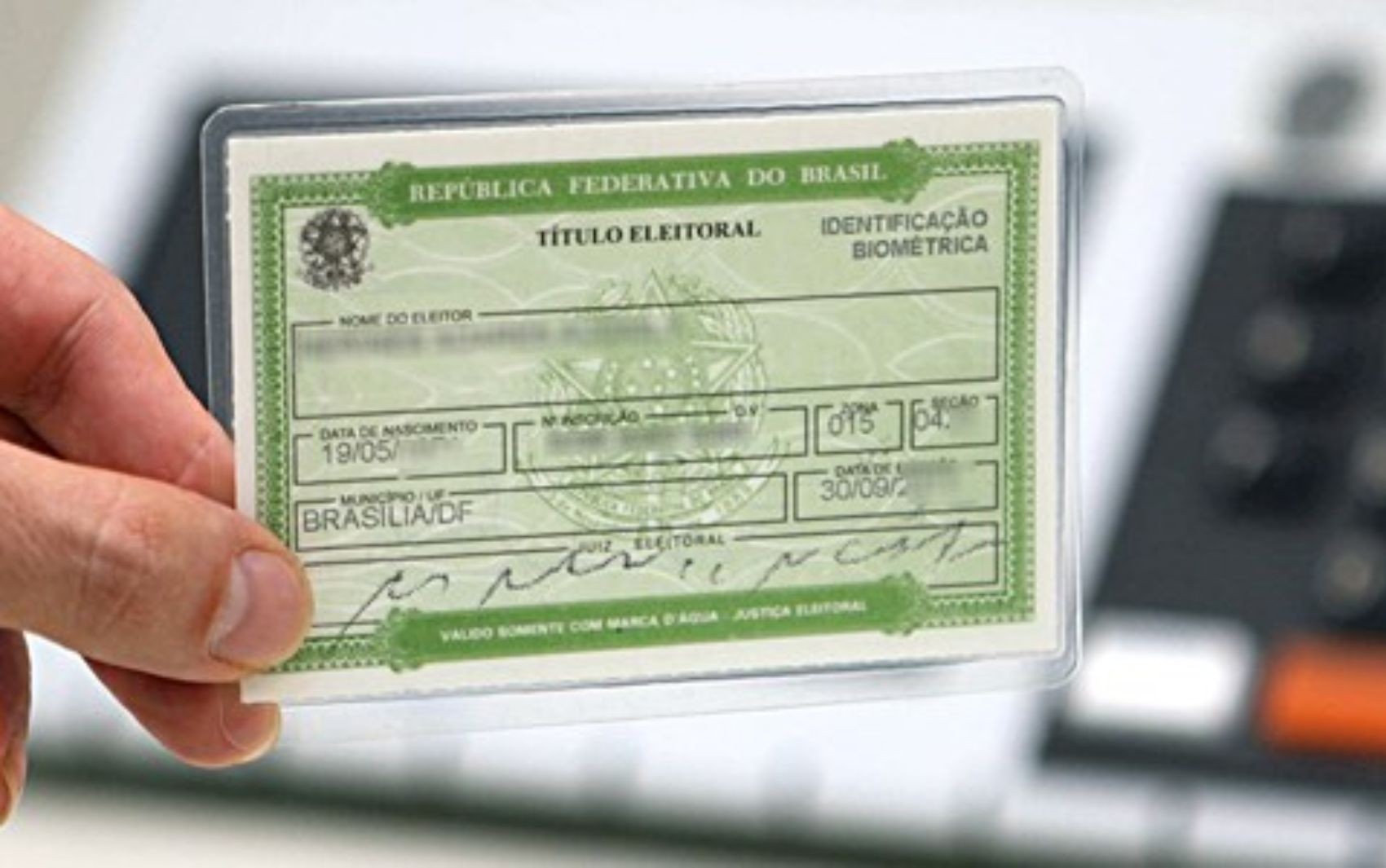
The number of voters identifying as indigenous and quilombola has seen a substantial increase in Campinas, São Paulo, between the 2024 and 2026 election cycles, according to data from the Superior Electoral Court (TSE). Indigenous voters grew by 178%, from 77 to 214 individuals, while quilombola voters increased by 64%, rising from 64 to 105. Despite these significant percentage gains, both groups still represent a small fraction of Campinas' total electorate. Overall, the total number of registered voters in the city decreased slightly, from 884,726 in 2024 to 870,672 in 2026. A significant portion of voters, 85.62% in 2026, still do not declare their ethnicity or community affiliation, indicating that the reported numbers may not fully represent the eligible voting populations. Leaders attribute the rise to increased efforts in strengthening identity and encouraging self-declaration, acknowledging that fear of prejudice and discrimination still prevents many from identifying themselves. Lu Ahamy Myrym, an indigenous leader, highlighted Campinas' diverse indigenous population, comprising 96 ethnicities and nearly 30 languages. Similarly, Nanansy Camila, a quilombola leader, suggested that social movements and cultural initiatives are fostering greater self-affirmation among quilombola and afro-indigenous communities, though cultural ties may still affect self-identification for some. The article also briefly outlines the general election process for 2026, including deadlines and rules for absentee voting and penalties for non-compliance.
The reported surge in self-identified indigenous and quilombola voters in Campinas, while statistically significant in percentage terms, represents a small absolute number and a minor portion of the overall electorate. This phenomenon highlights the ongoing challenges in accurate demographic data collection within electoral systems, particularly concerning minority groups who may face historical barriers to self-declaration due to prejudice or fractured cultural ties. The data suggests a potential positive trend in identity affirmation, driven by community organizing and awareness campaigns. However, the high percentage of voters not declaring their affiliation underscores the need for continued efforts to ensure inclusive representation and accurate data, which are crucial for targeted public policy and equitable resource allocation. Future electoral participation from these communities will likely depend on sustained social engagement and the systemic reduction of discrimination.
AI-generated to prompt reflection — not editorial opinion, not advice, not a statement of fact. How this works.