Campinas Streets Flood Due to Springs and Poor Drainage
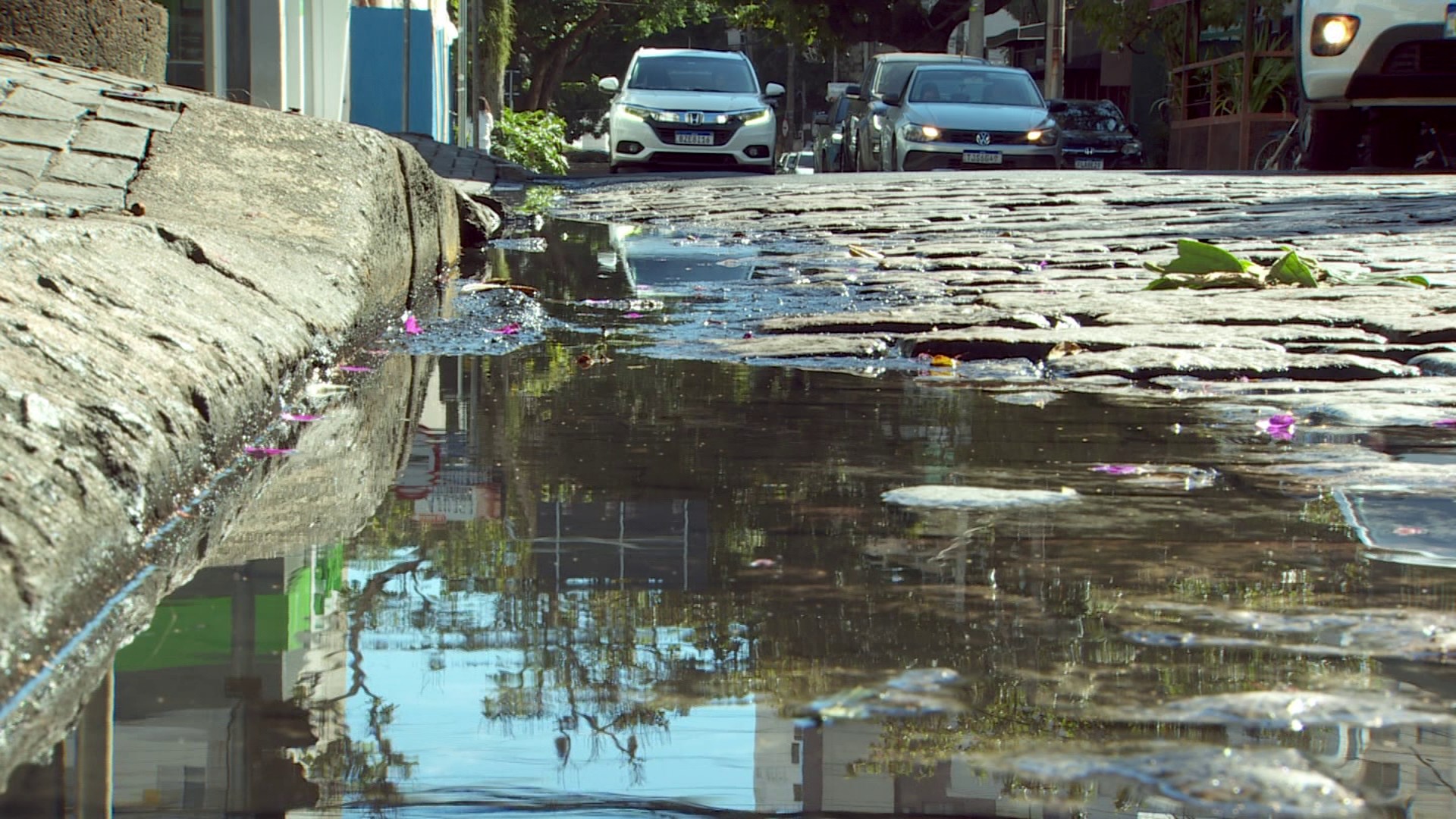
Streets in the Cambuí neighborhood of Campinas, São Paulo, are experiencing persistent flooding, with residents reporting that large puddles never disappear, regardless of weather conditions. Lawyer Carolina Aguiar, who lives in the area, stated that her building filed a complaint with the City Hall over a year ago, but no action has been taken. Sanasa, the local water company, inspected a key intersection and confirmed that the standing water originates from underground springs. This water is being pumped from building basements and discharged directly onto public streets.
The problem is compounded by geological factors and inadequate infrastructure. Urbanism expert João Verde explained that rainwater infiltrates the ground, raising the water table. This groundwater then surfaces in certain areas, and the lack of proper drainage systems prevents it from being removed. Verde noted that Cambuí, particularly on higher streets like Coronel Quirino, has a deficient drainage network, leading to widespread waterlogging during heavy rains.
In Vila Itapura, a similar issue occurs on Passos Street, where water from a condominium's underground spring is pumped onto the public road. A gardener working at the condominium, Marco Antônio Simões, described the water as originating from a natural spring encountered during excavation, necessitating its removal from the building. Verde suggested that reusing this water for purposes like cleaning or irrigation could be a viable solution. The City Hall acknowledged the issue and stated they are studying solutions for specific points in Cambuí's drainage system, but could not provide a timeline. They also emphasized that new developments must connect their basement drainage to the public network to prevent direct discharge onto streets.
The persistent flooding in Campinas highlights a systemic challenge where urban development intersects with natural hydrogeology, exacerbated by infrastructure deficits. The practice of pumping groundwater from building foundations directly to public streets, while addressing immediate subterranean water management for private properties, creates a negative externality for the public domain. This situation reflects a potential governance gap in urban planning and water management, where private utility is prioritized over collective infrastructure resilience. Future urban planning must integrate natural water cycles and robust public drainage systems, potentially incentivizing water reuse technologies to mitigate both water scarcity and localized flooding. The long-term sustainability of urban environments hinges on harmonizing built infrastructure with natural hydrological processes, rather than treating them as separate, conflicting systems.
AI-generated to prompt reflection — not editorial opinion, not advice, not a statement of fact. How this works.