Campinas to Bury Power Lines in Downtown Revitalization Project
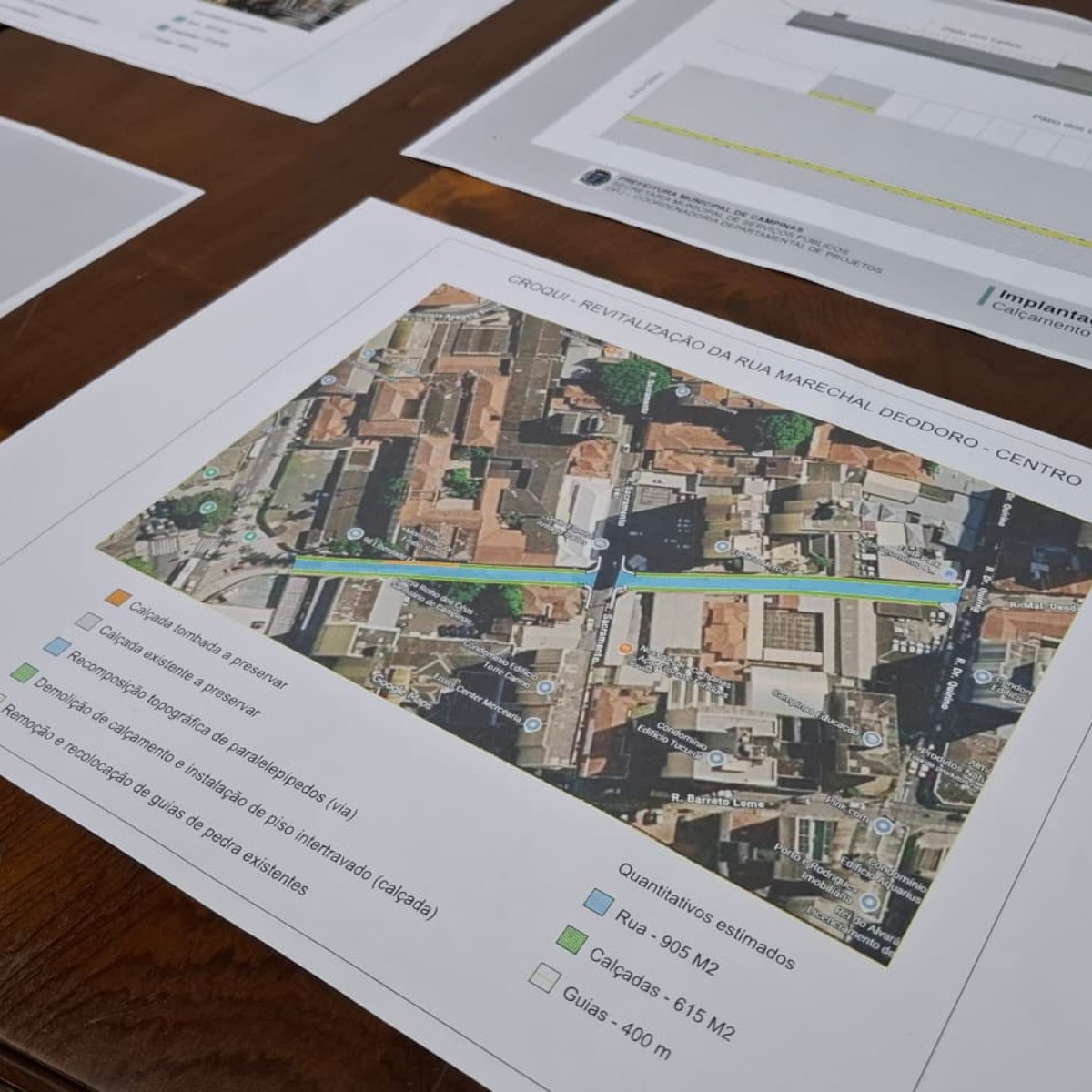
The Municipality of Campinas, São Paulo, has initiated a R$ 2.9 million project to underground electrical, public lighting, and telephone wiring in the downtown area. The work, which began on Monday, March 3rd, will focus on a section of Marechal Deodoro Street between Doutor Quirino Street and Francisco Glicério Avenue. The project aims to replace overhead lines with an underground network, enhancing safety by reducing vulnerability to weather and tree interference, improving aesthetics, and facilitating movement. This initiative is a collaboration between the Municipality, Companhia Paulista de Força e Luz (CPFL Paulista), and Vésper Campinas, the public lighting concessionaire. CPFL Paulista will contribute approximately R$ 1.5 million, the Municipality R$ 700,000, and Vésper Campinas R$ 200,000. The project is expected to be completed by 2027. Following the electrical work, the Public Services Secretariat will level the cobblestone section and install new pavement on both sidewalks, with an exception for the Pátio dos Leões due to its historical landmark status. Sidewalk curbs and gutters will also be realigned. A total of 235 customers will have their connections converted to the underground system. Mayor Dário Saadi indicated that further undergrounding and street requalification projects in the central region are planned. CPFL Paulista's director-president, Rafael Lazzaretti, noted that underground networks are more resilient and experience fewer interruptions, with the transition involving stages like installing transition points, building conduits, and adapting property connections.
This urban infrastructure upgrade in Campinas addresses common challenges associated with overhead electrical wiring, such as aesthetic degradation, safety risks from weather and vegetation, and service disruptions. By investing in undergrounding, the city aims to improve the public realm, enhance resilience, and potentially reduce long-term maintenance costs. The project's phased approach and collaborative funding model, involving utility companies and the municipality, reflect a strategic effort to modernize infrastructure. Looking ahead, the success of this R$ 2.9 million initiative could serve as a precedent for future urban development, balancing immediate aesthetic and safety improvements with the long-term benefits of more robust and integrated utility systems in an increasingly connected world.
AI-generated to prompt reflection — not editorial opinion, not advice, not a statement of fact. How this works.