Campinas to Deploy Mosquitoes with Dengue-Blocking Bacteria in Disease Control Effort
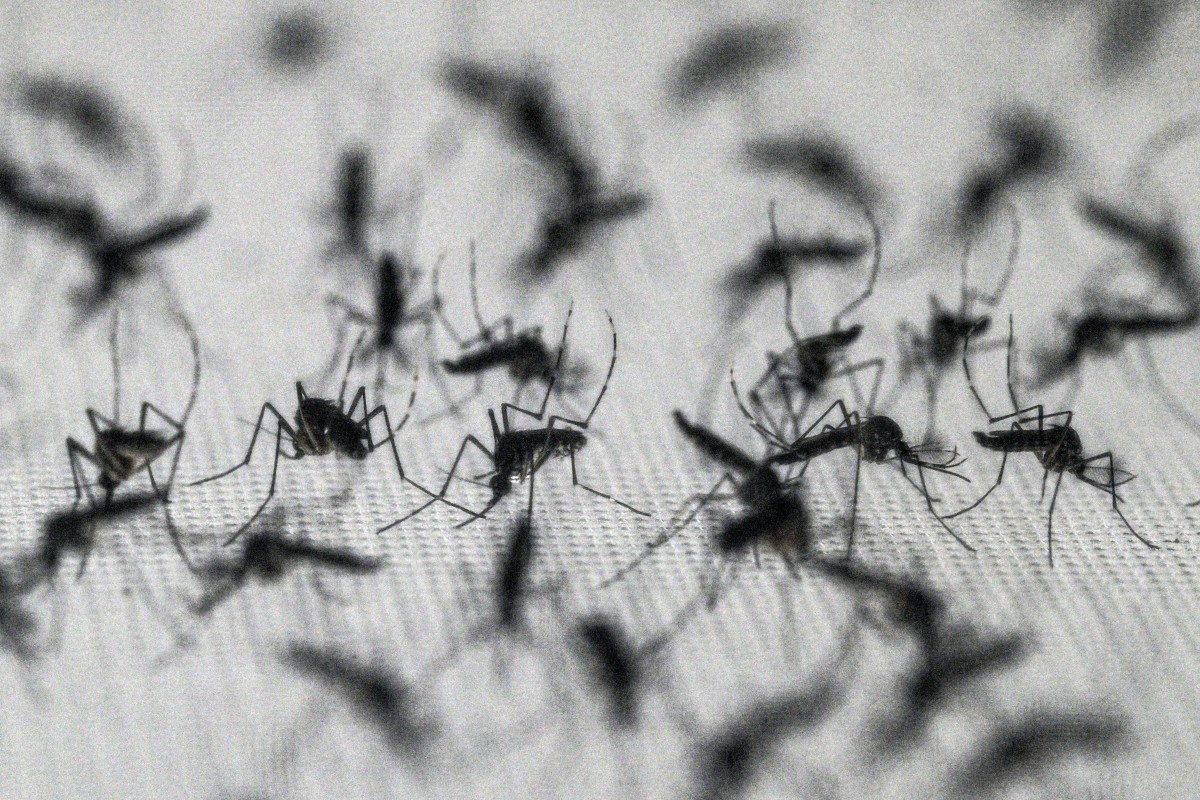
Campinas, Brazil, has been selected by the Ministry of Health to implement the Wolbachia Method, a strategy utilizing Aedes aegypti mosquitoes carrying a bacteria that prevents the transmission of dengue, Zika, and chikungunya. The release of these modified mosquitoes is scheduled to begin in May 2027, with initial impacts anticipated in 2028. This announcement was made by the city's prefecture on Tuesday, November 7th. Campinas had previously requested inclusion in the program in 2024 but was not selected for the initial expansion due to limitations in mosquito production capacity, entering a "waiting list" during a period when the metropolis faced its third-largest dengue epidemic since 1998. The Wolbachia bacteria, naturally present in many insects and not transmissible to humans or animals, inhibits the replication of viruses within the Aedes aegypti mosquito. This means that even if a mosquito bites an infected person, it will not transmit the disease. The technique involves releasing Wolbachia-carrying mosquitoes into the environment, where they reproduce with wild mosquitoes, gradually increasing the proportion of mosquitoes unable to transmit arboviruses. The project includes establishing a bio-factory for mosquito development, hiring personnel, and acquiring equipment, with an estimated cost between R$20 million and R$22 million. The Ministry of Health will contribute R$7 million, with the remainder funded by the municipal budget. The company Wolbitos will provide technical support and training. The effectiveness of the method will be monitored by Fiocruz, with success defined as at least 60% of the local Aedes aegypti population carrying the bacteria. Health authorities expect this strategy to become a permanent tool for combating arboviruses, complementing existing measures.
This initiative represents a significant public health intervention leveraging biological control to mitigate arbovirus transmission. By introducing Wolbachia bacteria into the Aedes aegypti population, Campinas aims to disrupt the disease cycle at the vector level. The long-term success hinges on achieving and maintaining the target threshold of 60% bacterial prevalence in the mosquito population, requiring sustained operational capacity and community engagement. From a systems perspective, this method offers a potentially sustainable, environmentally integrated approach to vector control, reducing reliance on chemical insecticides. However, the significant upfront investment and the multi-year timeline for observable impact underscore the challenges in scaling novel public health technologies. Future considerations will involve monitoring for any unintended ecological consequences and ensuring equitable access to the benefits across diverse urban environments, particularly as climate change may expand vector habitats.
AI-generated to prompt reflection — not editorial opinion, not advice, not a statement of fact. How this works.