Campo Grande Animal Shelter for 400 Animals Seeks Urgent Temporary Housing
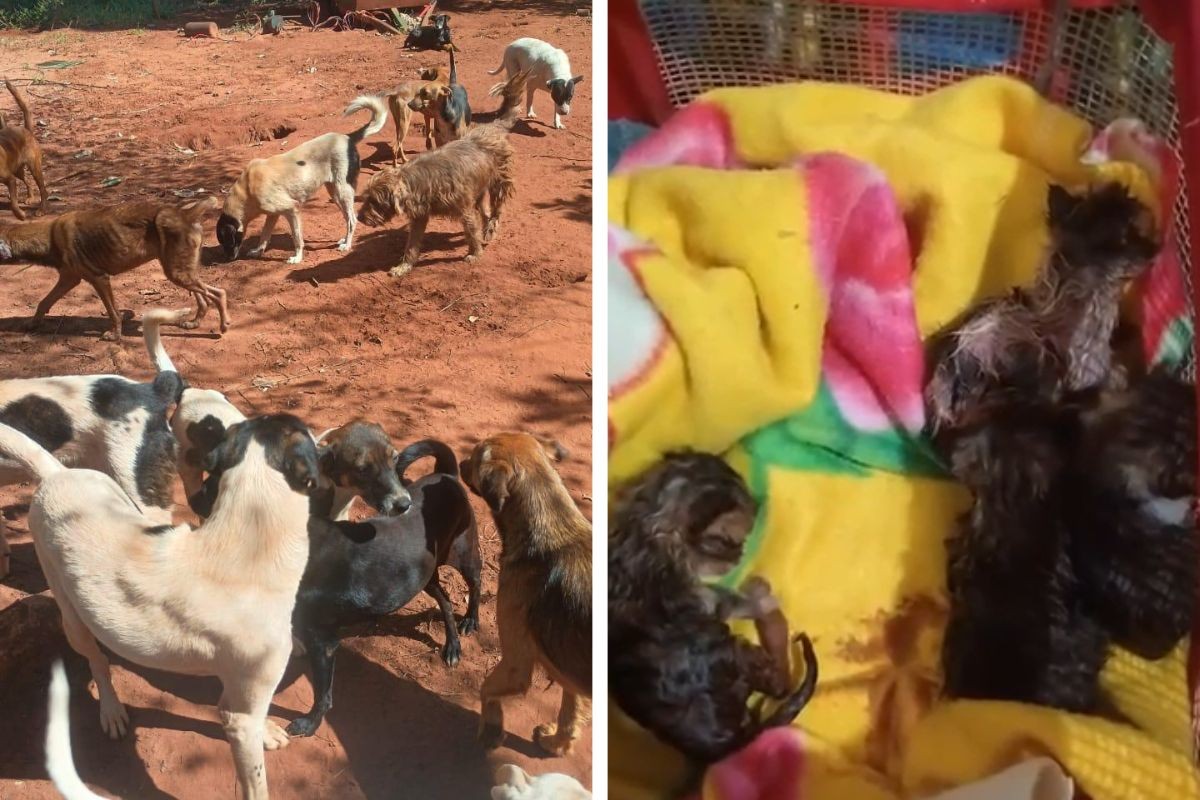
The NGO Divinos Guerreiros in Campo Grande is urgently seeking a temporary property, such as a farm or smallholding, to house approximately 400 rescued dogs and cats. The organization needs to relocate the animals because the current location where some are housed must be vacated. This temporary space is crucial until their future permanent sanctuary, the Santuário Divinos Guerreiros, can be established. The NGO, run by independent protectors Roberto Hayd and Lúcia Rocha, rescues animals from abandonment, mistreatment, accidents, and illness. Around 200 animals are currently at the Abrigo Vó Nilza in the Cabreúva neighborhood, while the rest are in a chacara that needs to be returned to its owners. Roberto Hayd emphasized the priority is ensuring the animals remain safe and receive necessary care during this transition. Divinos Guerreiros is known for complex rescues, including kittens found trapped in a storm drain, a rescue coordinated by Hayd. Many of the animals require ongoing veterinary care due to health issues, sequelae from abuse, or old age, making immediate adoption difficult. Beyond finding a new location, the NGO faces significant monthly expenses, including approximately 900 kg of dog food, 700 kg of cat food, and three tons of cat litter. Additional costs for special diets, medication, and veterinary services range from R$3,000 to R$6,000 monthly, alongside expenses for water, transportation, and other care. To manage these costs, the NGO conducts raffles and ongoing fundraising campaigns, aiming to secure a new property swiftly to maintain their vital work.
This situation highlights the persistent challenges faced by animal welfare organizations in securing sustainable infrastructure and funding. The urgent need for temporary housing underscores the vulnerability of rescued animals and the strain on independent NGOs. The significant monthly expenses for food, veterinary care, and supplies indicate a substantial operational burden, often reliant on public donations and volunteer efforts. Looking ahead, the reliance on ad-hoc solutions and fundraising for basic operational needs presents a systemic risk. Exploring models for long-term, stable funding, potentially through public-private partnerships or dedicated municipal support, could mitigate future crises and ensure the continuity of care for vulnerable animal populations. The development of a permanent sanctuary, while a positive step, requires robust planning to avoid similar transitional challenges.
AI-generated to prompt reflection — not editorial opinion, not advice, not a statement of fact. How this works.