Campo Grande Bus Consortium Sold to Goiânia Company, Pending City Approval
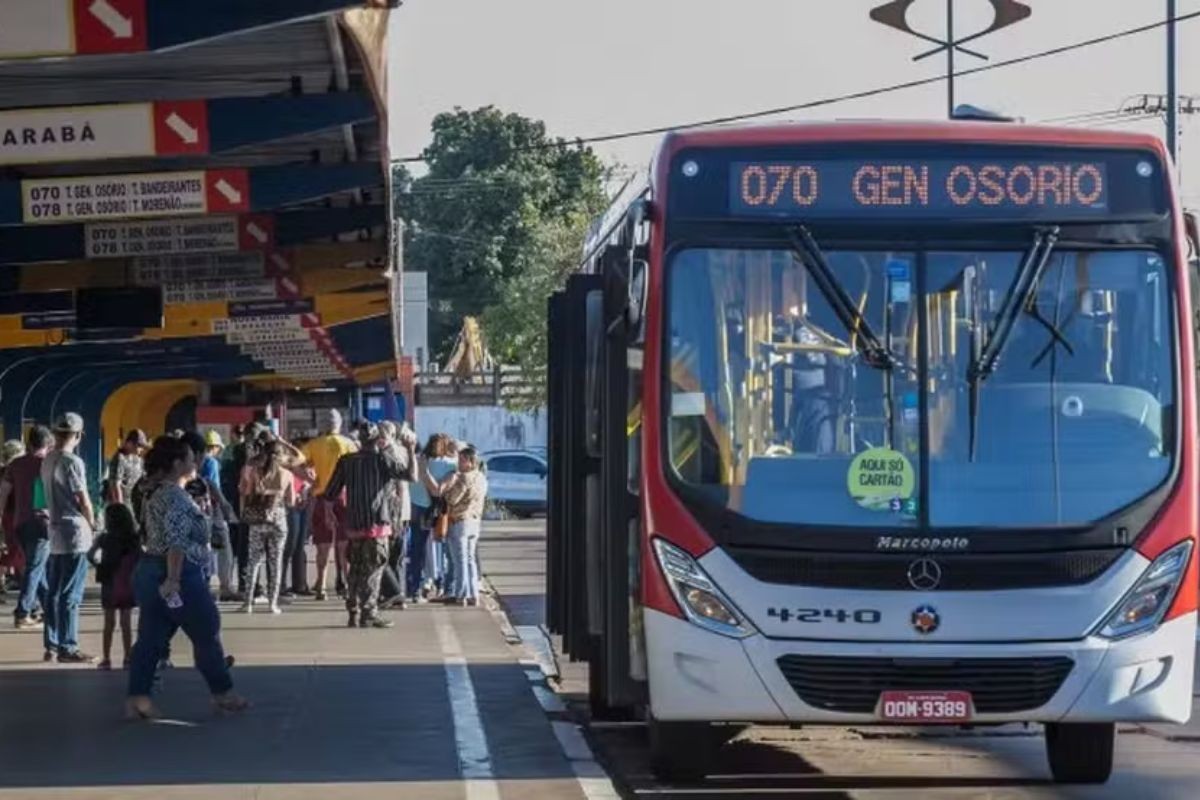
Campo Grande Mayor Adriane Lopes confirmed on Tuesday, March 21st, that the Consórcio Guaicurus, responsible for the city's public bus transport, has been sold to HP Mobilidade, a company based in Goiânia. The sale's completion is contingent on approval from the Campo Grande City Hall, which may impose conditions. These potential requirements include the purchase of new buses, the installation of air conditioning in all vehicles, and the renovation of bus terminals. The city administration stated it was unaware of the sale's financial details and was surprised by the announcement. The municipal government emphasized that the transfer of control requires analysis and approval from the executive branch. To gain approval, the acquiring company must present a work schedule and investment commitments. The intervention in the bus system, ordered by the Court of Justice of Mato Grosso do Sul on Monday, March 20th, will continue until the control transition is finalized. The City Hall aims to set conditions to ensure service improvements for residents. The next step involves the company filing a request with the Administrative Council for Economic Defense (Cade) for authorization of the transfer. Following Cade's review and a legal status check, the City Hall must grant its consent to the concession contract transfer. The new owner will assume the existing contract and its remaining term, rather than obtaining a new 30-year concession. The contract's economic and financial balance will also be subject to review, as the seven-year period for such requests is currently open.
This transaction marks a significant shift in Campo Grande's public transportation landscape, with the city government emphasizing its oversight role in ensuring service quality. The pending municipal approval highlights the tension between private sector consolidation and public interest, particularly concerning infrastructure upgrades and operational standards. The requirement for new buses and air conditioning suggests a response to potential public dissatisfaction with the current fleet. The process underscores the regulatory framework governing public concessions, where federal economic review (Cade) and local municipal consent are both critical. Looking ahead, the integration of this new ownership into the existing contractual framework, including potential economic rebalancing, will be key to assessing the long-term sustainability and efficiency of the transit system under evolving urban mobility demands.
AI-generated to prompt reflection — not editorial opinion, not advice, not a statement of fact. How this works.