Campo Grande Bus Station Renovation: R$18 Million Spent, Delivery Date Unknown
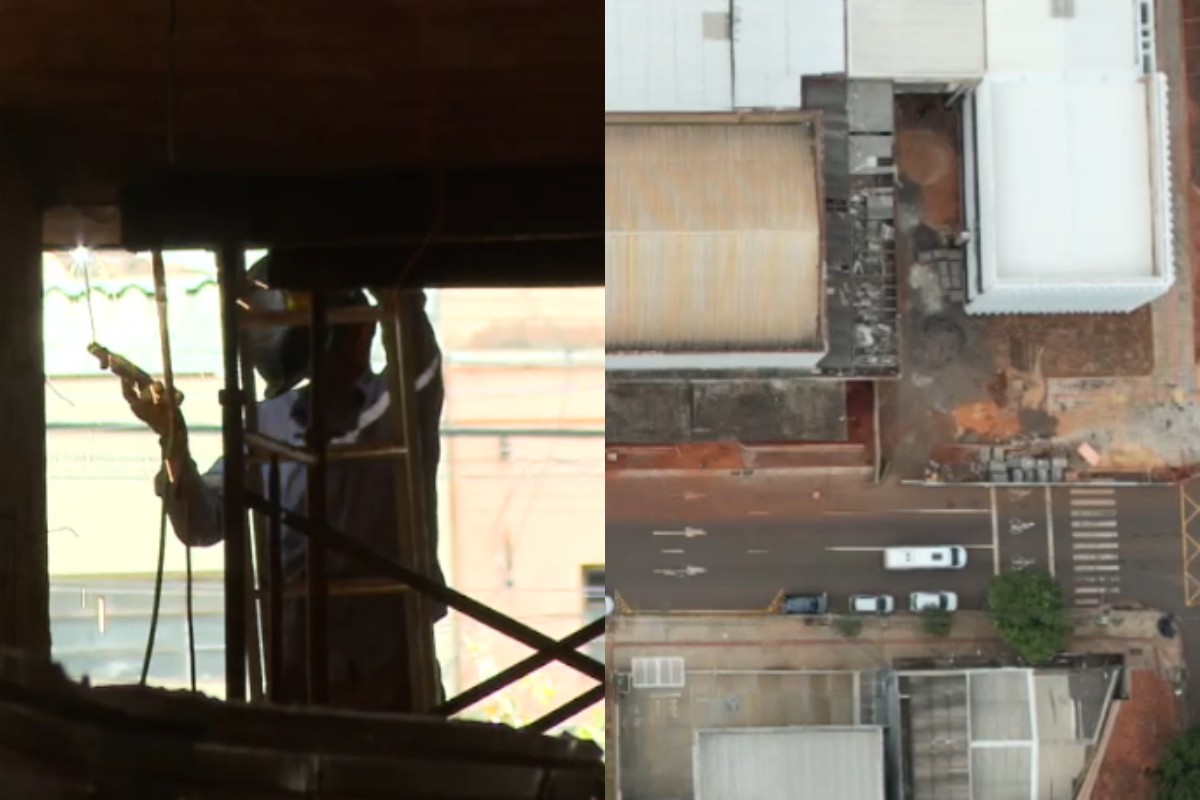
The revitalization of Campo Grande's former bus station, initiated in June 2022, has already incurred costs exceeding R$18 million, with no clear delivery date in sight. Originally budgeted at R$16.5 million and slated for completion within one year, the project has faced significant delays, with only 59% of the work completed according to the Campo Grande City Hall's "Mais Obras" portal. These ongoing delays are causing concern among local merchants, discouraging new investments, and contributing to a sense of insecurity in the surrounding area. Merchants like Seriberto Henrique express frustration over the four-year wait, while Heloisa Cury notes that the lack of progress makes it difficult to attract new investors, who question the public sector's reliability. The former Heitor Eduardo Laburu Bus Station, a 30,000 square meter complex, is undergoing renovation of its public areas, including the main building and surrounding sidewalks. Planned improvements include new flooring, electrical and hydraulic system upgrades, structural repairs, a new parking area, accessible sidewalks, and landscaping. The revitalized building is intended to house the Municipal Labor Foundation (Funsat) and a base for the Metropolitan Civil Guard. Despite the setbacks, some business owners, like Pedro da Cruz, are investing in their private commercial spaces within the complex, anticipating increased foot traffic upon completion. However, public safety remains a concern, with merchants reporting that insufficient policing deters customers and hinders economic recovery. The project is also under investigation by the Public Prosecutor's Office of Mato Grosso do Sul, which is examining allegations of irregularities concerning the contract, including schedule delays and contract amendments. Although the city previously suggested a June 2026 completion, a definitive timeline remains elusive, leaving the community hopeful for the space's eventual reactivation.
The protracted renovation of Campo Grande's former bus station, exceeding its initial budget and timeline, highlights systemic challenges in public infrastructure project management. The delays and cost overruns, coupled with ongoing security concerns in the surrounding area, raise questions about the efficacy of planning, oversight, and resource allocation. While the intended revitalization aims to spur economic activity and improve public spaces, its prolonged stagnation risks further urban decay and erodes public trust in governmental execution capabilities. Future urban development strategies may benefit from exploring more agile procurement methods, robust risk assessment frameworks, and integrated security and economic development plans to ensure such critical projects deliver their intended value within reasonable parameters, fostering sustainable urban renewal rather than prolonged disruption.
AI-generated to prompt reflection — not editorial opinion, not advice, not a statement of fact. How this works.