Campo Grande Butcher Shop Shut Down After Seizing Nearly Half a Ton of Unfit Meat
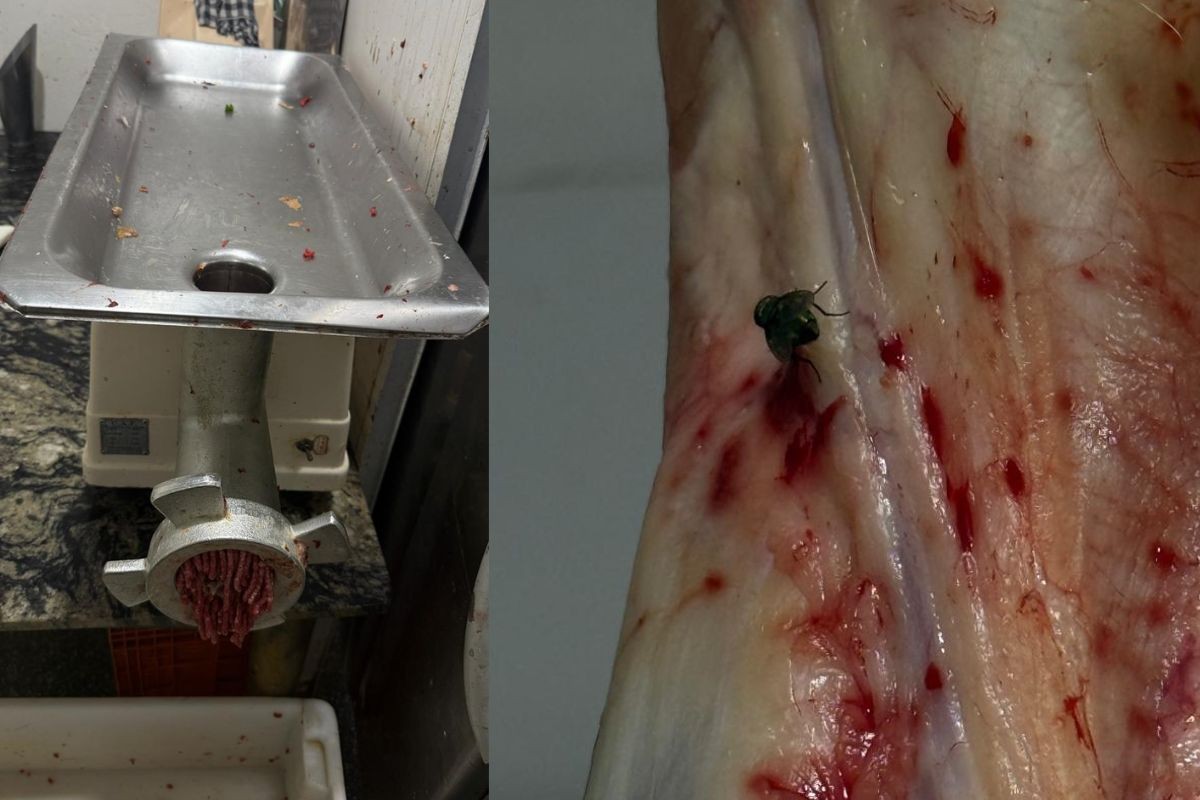
A butcher shop in the Bom Jardim neighborhood of Campo Grande, Mato Grosso do Sul, was shut down on Thursday, May 9th, following a joint inspection by the Civil Police's Specialized Department for Combating Consumer Relations Crimes (Decon), Municipal Health Surveillance, and the Municipal Inspection Service (SIM). The establishment was found to be producing sausages and grinding meat without the required municipal authorization. During the inspection, a significant quantity of meat products, totaling 475.9 kilograms, was seized due to improper storage and handling conditions. These confiscated items included 76.8 kg of chicken and offal, 116.9 kg of beef and chicken sausages, 24.2 kg of bone marrow bones, 110.4 kg of beef, 86 kg of beef liver and heart, 27 kg of sun-dried beef, 9.3 kg of fish, and 25.3 kg of unidentified meats. The inspection was prompted by an anonymous tip alleging the sale of clandestinely sourced and expired meats. While no clandestine meat or expired products were found, officials noted numerous hygiene and conservation irregularities. These included unlabeled sausages, unpackaged frozen meats, a poorly maintained cold room, and fresh food stored with defrosting products without proper control. The meat processing area also presented structural issues, such as an improperly placed sewage access cover. The manager and technical responsible party may face charges for selling or possessing products unfit for consumption, pending further investigation.
This incident highlights systemic vulnerabilities in local food safety oversight, particularly concerning small businesses lacking formal registration for processing activities. The seizure of nearly half a ton of meat underscores the potential public health risks when regulatory compliance is bypassed. While the investigation focuses on the specific establishment's infractions, it also raises questions about the effectiveness of existing inspection protocols in preventing such situations. Future efforts could explore enhanced preventative education for small business owners on regulatory requirements and the implementation of more frequent, unannounced inspections to ensure consistent adherence to hygiene and processing standards. The case serves as a reminder of the ongoing challenge in balancing economic activity with the imperative of safeguarding consumer health in the food industry.
AI-generated to prompt reflection — not editorial opinion, not advice, not a statement of fact. How this works.