Campo Grande City Council Approves 2027 Budget Guidelines, Projecting 4% Revenue Increase
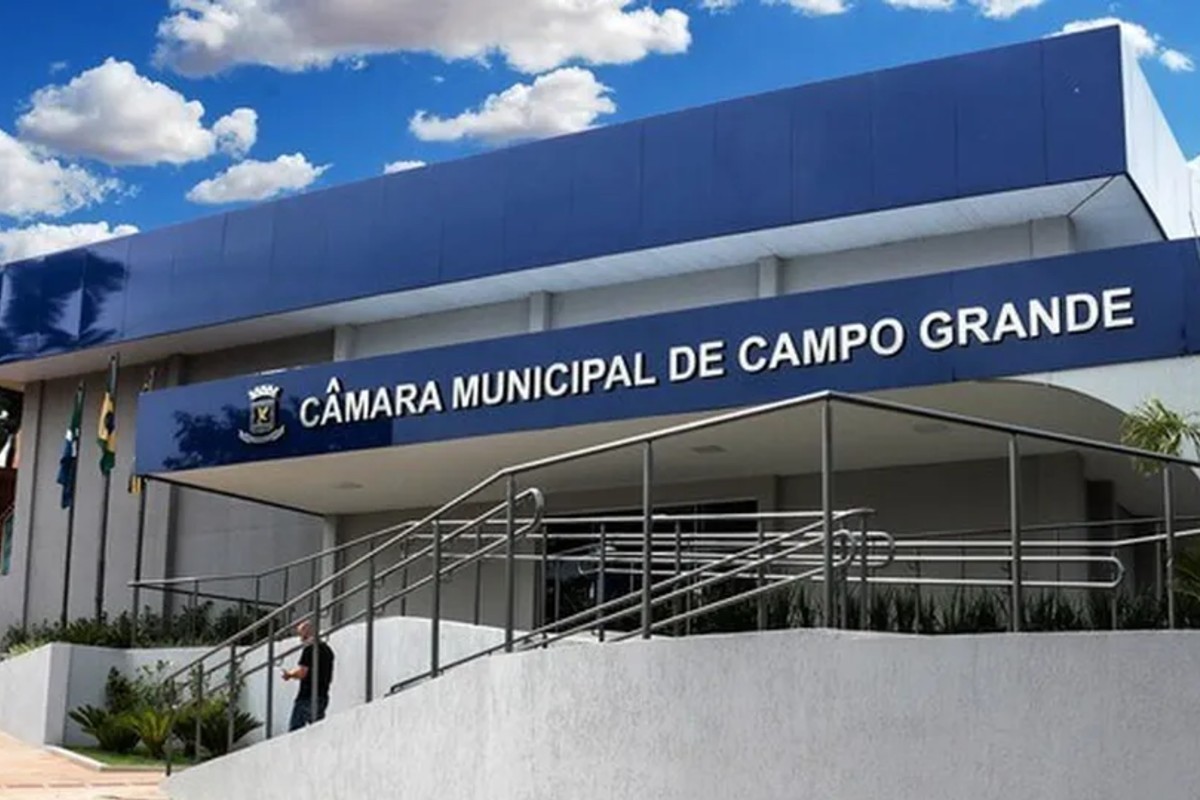
The Municipal Chamber of Campo Grande has approved the Budget Guidelines Law (LDO) for 2027, setting the stage for the city's financial planning. The approved text estimates a revenue of R$ 7.261 billion for the upcoming year, representing a 4.12% increase compared to the R$ 6.974 billion budget set for 2026. During the legislative process, council members adopted 485 amendments to the proposal initially submitted by the Mayor's Office, with a significant focus on infrastructure, logistics, urban mobility, and city planning. The LDO serves as the initial step in the municipal budget formulation, outlining the directives and priorities for public resource allocation in the subsequent year. Councilman Otávio Trad, president of the Finance and Budget Committee, clarified that while the LDO establishes the framework and needs for 2027, it does not detail specific funding amounts for each action or project. This level of detail will be provided in the Annual Budget Law (LOA), which is expected to be submitted by the Mayor's Office and voted on by the council later this year. The LOA will specify the funds allocated for works, investments, and the maintenance of public services, ensuring that no municipal spending or investment occurs without legislative authorization. Following the council's approval, the LDO bill will be sent to Mayor Adriane Lopes for her review. She has 15 business days to sanction the proposal and decide on the acceptance or veto of the 485 amendments. Any vetoed amendments will be returned to the Legislative Chamber for a potential override vote.
The approval of Campo Grande's 2027 LDO signifies a procedural step in municipal financial governance, establishing broad parameters for future spending. The projected 4.12% revenue increase, while modest, reflects an expectation of economic growth or enhanced fiscal management. The significant number of amendments adopted by the council, particularly in infrastructure and urban development, indicates a strong legislative influence on budgetary priorities, potentially creating a dynamic tension with executive proposals. The process highlights the checks and balances between the executive and legislative branches in public finance, ensuring that the Mayor's Office requires legislative assent for all expenditures. Looking ahead, the effectiveness of this LDO will be tested by the detailed allocations in the forthcoming LOA, and its alignment with long-term urban development strategies and the city's capacity to generate the projected revenue.
AI-generated to prompt reflection — not editorial opinion, not advice, not a statement of fact. How this works.