Campo Grande Councilman and Ex-Health Secretary Faces Charges for Alleged $1.5 Million SUS Fund Misappropriation
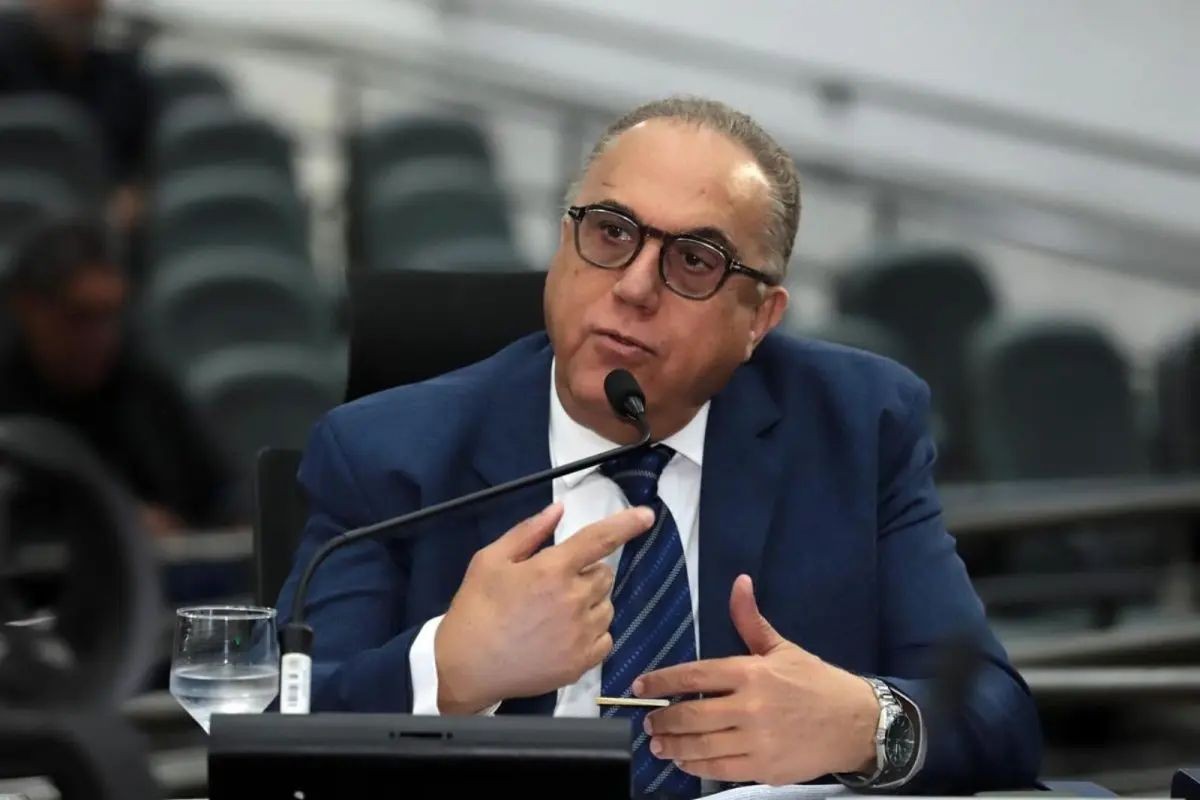
Jamal Salém, a current city councilman and former Municipal Secretary of Health in Campo Grande, Brazil, has been formally charged in federal court for his alleged involvement in a scheme to misappropriate funds from the Unified Health System (SUS). The Federal Public Prosecutor's Office (MPF) has also indicted Estevão Silva de Albuquerque, Mário Justiniano de Souza Filho, and Rodolfo Pinheiro Holsback in the same case. The group is accused of manipulating a public bidding process conducted between 2014 and 2015 to unfairly benefit the company HBR Medical in contracts for renting ultrasound and electrocardiogram equipment. According to the MPF's indictment, the company's rental costs were inflated significantly, with the annual rental price for ultrasound machines exceeding double the cost of purchasing new equipment. For electrocardiogram devices, HBR Medical allegedly sublet equipment for approximately R$19,000 and charged the municipality R$64,000. The MPF estimates the total financial damage to public coffers has surpassed R$1.5 million, updated to current values. Federal Judge Luiz Augusto Fiorentini accepted the charges, making the individuals defendants in a peculation case. Councilman Salém denies any wrongdoing, stating the bidding process was conducted normally by the Administration Secretariat, not the Health Secretariat, and that the funds were specifically earmarked for equipment rental. He asserts that the Court of Accounts found no culpable or intentional wrongdoing in his previous review. The defense for Rodolfo Pinheiro Holsback argues that the accusations should be considered bid rigging, which is now time-barred due to the statute of limitations, and that the MPF's reclassification to peculation is a tactic to extend the legal process. Contact with the legal representatives of Estevão Silva de Albuquerque and Mário Justiniano de Souza Filho was not established.
This case highlights potential systemic vulnerabilities in public procurement processes for essential healthcare equipment, particularly concerning the rental versus purchase of medical devices. The alleged inflation of costs and the discrepancy between subletting and charged prices suggest a need for enhanced oversight mechanisms within municipal health and administration secretariats. Future policy considerations might include stricter auditing protocols for rental agreements, independent cost-benefit analyses comparing rental versus outright purchase over the equipment's lifecycle, and clearer delineation of responsibilities between different government departments during procurement to prevent exploitation of procedural gaps. The legal defense's argument regarding prescription and reclassification also points to the importance of timely investigations and appropriate legal framing to ensure accountability and prevent potential circumvention of statutes of limitations.
AI-generated to prompt reflection — not editorial opinion, not advice, not a statement of fact. How this works.