Campo Grande Hospital Breast Milk Bank Faces Critical Shortage, Needs Donors
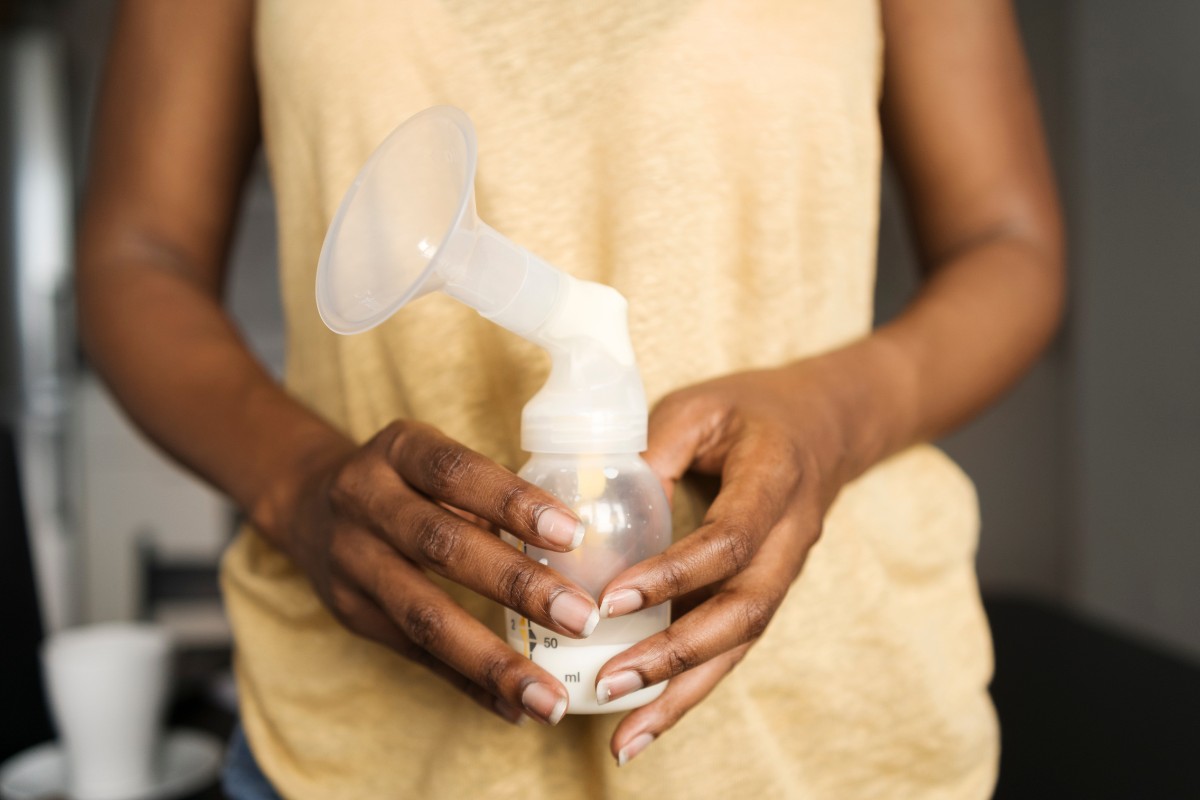
The Human Milk Bank at the University Hospital (HU) in Campo Grande, Brazil, is urgently appealing for donations from breastfeeding mothers due to critically low stock levels. The current supply is only sufficient to meet demand for the next five days. The hospital currently cares for 25 premature newborns who rely on donated breast milk when their mothers cannot produce enough. A decline in donations is a significant concern for the hospital's ability to provide essential nutrition to these vulnerable infants. Breast milk is recognized by the World Health Organization as the most complete food for infants, crucial for strengthening their immune systems and providing vital nutrients for development. For premature babies, its benefits are amplified, helping to reduce infections, lower the risk of necrotizing enterocolitis, support neurological development, and aid in recovery. Healthy breastfeeding individuals who produce more milk than their babies need are eligible to donate. Potential donors undergo an evaluation by the Human Milk Bank team. Milk can be collected at the bank or through a home collection service. Even small donations can be life-saving. Collected milk undergoes rigorous quality control before distribution. Interested donors can contact the Human Milk Bank at (67) 3345-3027 or via WhatsApp at (67) 99633-2510 for guidance and to arrange collection.
This situation highlights the persistent challenge of maintaining adequate supply chains for vital human resources, even in essential services like neonatal care. The reliance on voluntary donations for critical medical supplies underscores the importance of public health infrastructure and community engagement. Future-proofing such services may involve exploring diversified sourcing strategies, incentivizing consistent donation, and leveraging technology for more efficient collection and distribution logistics. Understanding the demographic and socioeconomic factors influencing donation rates could also inform proactive measures to prevent future shortages, ensuring that the health and development of premature infants are not compromised by fluctuating community support.
AI-generated to prompt reflection — not editorial opinion, not advice, not a statement of fact. How this works.