Campo Grande Housing Agency Finds 26 Irregularities in Mandela Community Homes
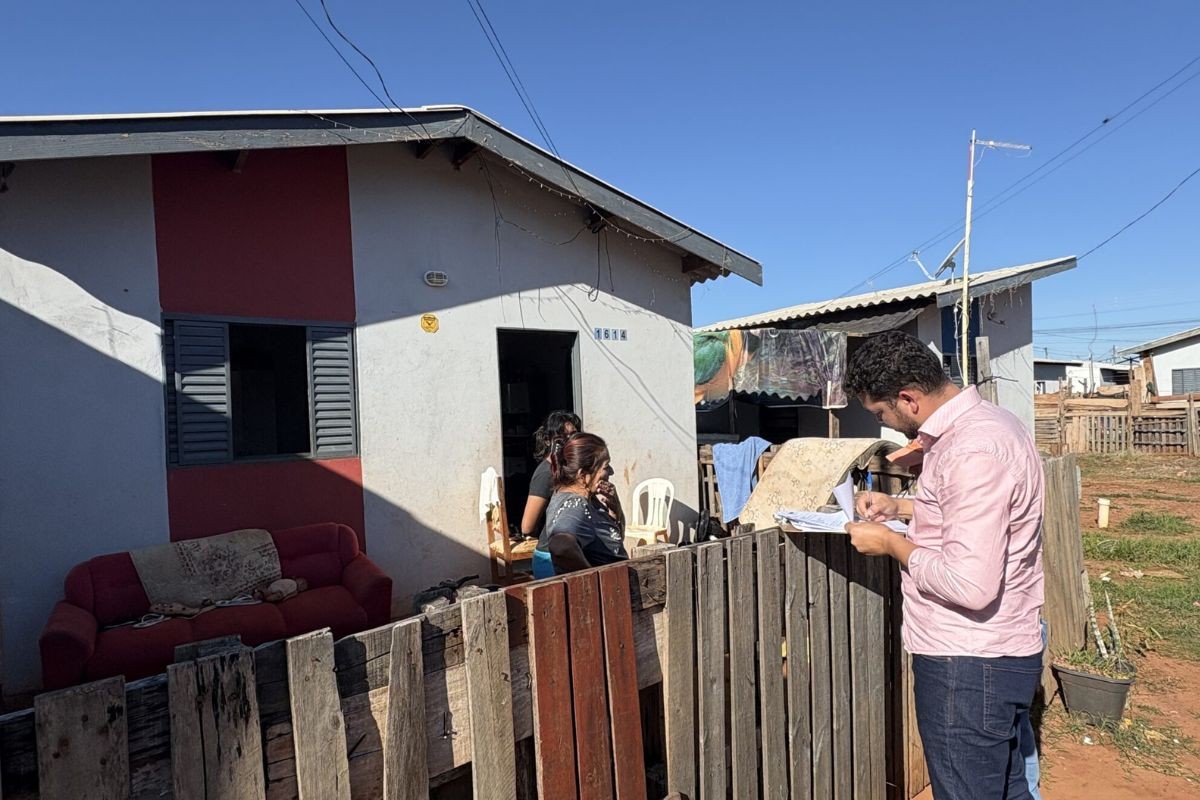
The Municipal Agency for Housing and Land Affairs (EMHA) in Campo Grande, Brazil, identified 26 irregularities during an inspection on Tuesday, November 8th, in housing units previously designated for the former Mandela Community. The inspection, which took place in the neighborhoods of José Tavares, Jardim Talismã, Oscar Salazar, and Iguatemi I and II, aimed to ensure compliance with the social housing program's regulations and the fulfillment of the social function of the properties. Of the 181 homes delivered, seven were found to have been sold irregularly, while six were unoccupied. Additionally, five properties were occupied by individuals other than the designated beneficiaries, and four were being rented out. The EMHA also discovered two instances of irregular property exchanges and two units with pending inheritance or occupancy regularization issues. These findings contradict the intended use of the social housing units, which are prohibited from being sold, rented, or otherwise irregularly negotiated. The EMHA stated that these inspections are part of ongoing monitoring to verify that the homes are occupied by the intended beneficiary families according to program criteria. The agency will continue its oversight activities to ensure that families selected for these programs are properly served. Each case will be individually assessed, potentially leading to administrative and judicial actions as stipulated by law and beneficiary contracts. The houses were originally provided after a large fire in 2023 destroyed most of the shacks in the Favela Mandela, displacing approximately 187 families.
This enforcement action highlights a recurring challenge in social housing programs: ensuring that intended beneficiaries retain occupancy and that properties are not diverted for private financial gain. The EMHA's proactive inspection, prompted by citizen complaints, addresses potential systemic failures in oversight and beneficiary compliance. The identified irregularities—sales, rentals, unauthorized occupancy, and exchanges—suggest a need for enhanced monitoring mechanisms and clearer communication of program terms to beneficiaries. While the agency's commitment to continued fiscalization and legal recourse is commendable, future program design could explore incentives for long-term occupancy or alternative support structures that mitigate the temptation for irregular transactions, particularly in the context of post-disaster housing provision where beneficiaries may face ongoing financial pressures.
AI-generated to prompt reflection — not editorial opinion, not advice, not a statement of fact. How this works.