Campo Grande launches multi-vaccination drive for children and adolescents
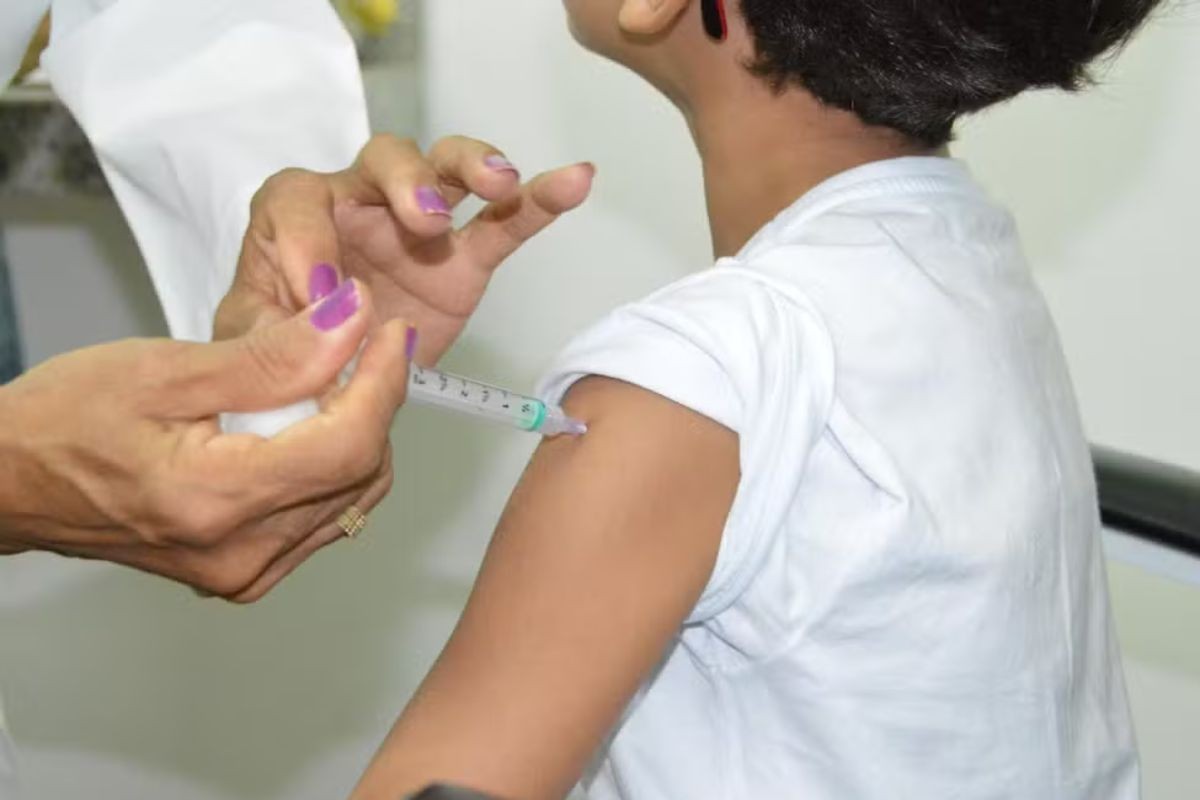
Campo Grande, Brazil, has launched its 2026 Multi-vaccination Strategy, beginning Monday, August 3rd, and continuing until September 1st. This initiative, promoted by the Ministry of Health, aims to update the vaccination records of children and adolescents under 15 years old. Vaccination rooms in Family Health Units (USFs) will be available to assess vaccination status and administer overdue doses according to the National Vaccination Calendar. The campaign seeks to increase vaccination coverage, decrease the risk of vaccine-preventable diseases, and enhance overall population protection. While the primary focus is on individuals up to 14 years, 11 months, and 29 days old, the Municipal Health Secretariat (Sesau) also encourages people of all ages to update their vaccination cards. To receive services, parents and guardians should bring a photo ID for the child or adolescent, their National Health Card (CNS), and their vaccination booklet if available; however, the absence of the booklet will not prevent vaccination. Ananda de Melo, head of Sesau's Immunization Service, highlighted that the campaign helps identify and rectify vaccination delays, ensuring greater protection for children, adolescents, and the entire community. Maintaining up-to-date vaccination records is crucial for preventing serious illnesses, hospitalizations, and deaths, contributing to herd immunity.
This multi-vaccination campaign in Campo Grande addresses a critical public health objective: maintaining high vaccination coverage to prevent the resurgence of infectious diseases. By focusing on children and adolescents, the initiative targets a demographic most vulnerable to certain illnesses and instrumental in community-wide protection through herd immunity. The strategy's emphasis on identifying and correcting overdue vaccinations acknowledges potential gaps in routine healthcare access or parental awareness. In the context of evolving public health challenges and potential vaccine hesitancy, such proactive, community-based outreach programs are vital for reinforcing trust in vaccination as a cornerstone of preventative healthcare and ensuring population resilience against preventable diseases in the long term.
AI-generated to prompt reflection — not editorial opinion, not advice, not a statement of fact. How this works.