Campo Grande Mayor Sues Federal Deputy Over Social Media Claims
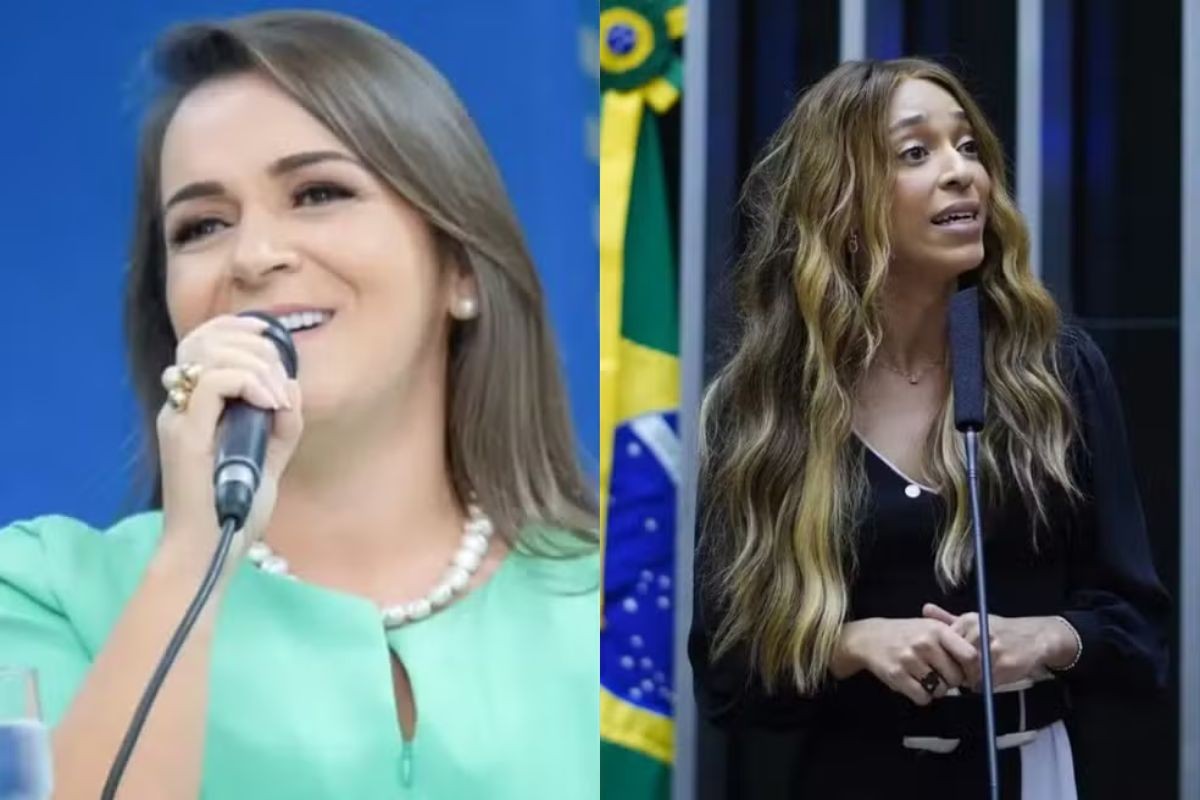
Adriane Lopes, the mayor of Campo Grande, has filed a lawsuit against federal deputy Erika Hilton, seeking R$ 15,000 in moral damages. The legal action stems from a social media post made by Hilton on May 5th, which Lopes alleges contains false and defamatory statements about her administration. According to Lopes' lawsuit, Hilton's post referenced a December 2025 AtlasIntel survey that ranked Lopes last among Brazilian capital city mayors in terms of approval and management evaluation, with 79% disapproval. The deputy's publication also claimed Lopes was the "worst mayor in the country," under investigation for a supposed R$ 156 million diversion from public health funds, and that she appointed 12 evangelical pastors to manage the municipal budget. Further accusations included alleged misuse of R$ 1.2 million in retiree funds by the Municipal Social Security Institute, questionable agreements with Banco Master for loans, a R$ 24.4 million overpricing in a traffic light tender, and over R$ 62 million in alleged fraud in public lighting contracts. Hilton also reportedly questioned a municipal law restricting transgender women's access to women's restrooms. The lawsuit claims Hilton's post reached over 60,000 likes and thousands of shares. Lopes is demanding the immediate removal of the content from Hilton's social media profiles, a public retraction, the R$ 15,000 in damages, and daily fines for non-compliance. The mayor's legal team argues that parliamentary immunity should not shield illegal acts, especially when statements are made outside of official duties on personal platforms.
This legal dispute highlights the evolving intersection of political discourse, social media, and accountability. The mayor's lawsuit centers on alleged defamation, while the deputy's claims, if substantiated, point to potential governance and financial irregularities. The core tension lies in balancing freedom of speech and parliamentary privilege against the need for factual accuracy and protection from reputational harm. Future legislative and judicial frameworks may need to clarify the boundaries of public officials' online commentary, especially when it references potentially sensitive financial or administrative matters. The case also underscores the significant influence of social media in shaping public perception and the legal recourse available when that influence is perceived as harmful or unfounded, prompting a broader discussion on digital accountability for elected representatives.
AI-generated to prompt reflection — not editorial opinion, not advice, not a statement of fact. How this works.