Campo Grande Public Transport Faces Ownership Change Amidst Irregularity Probe
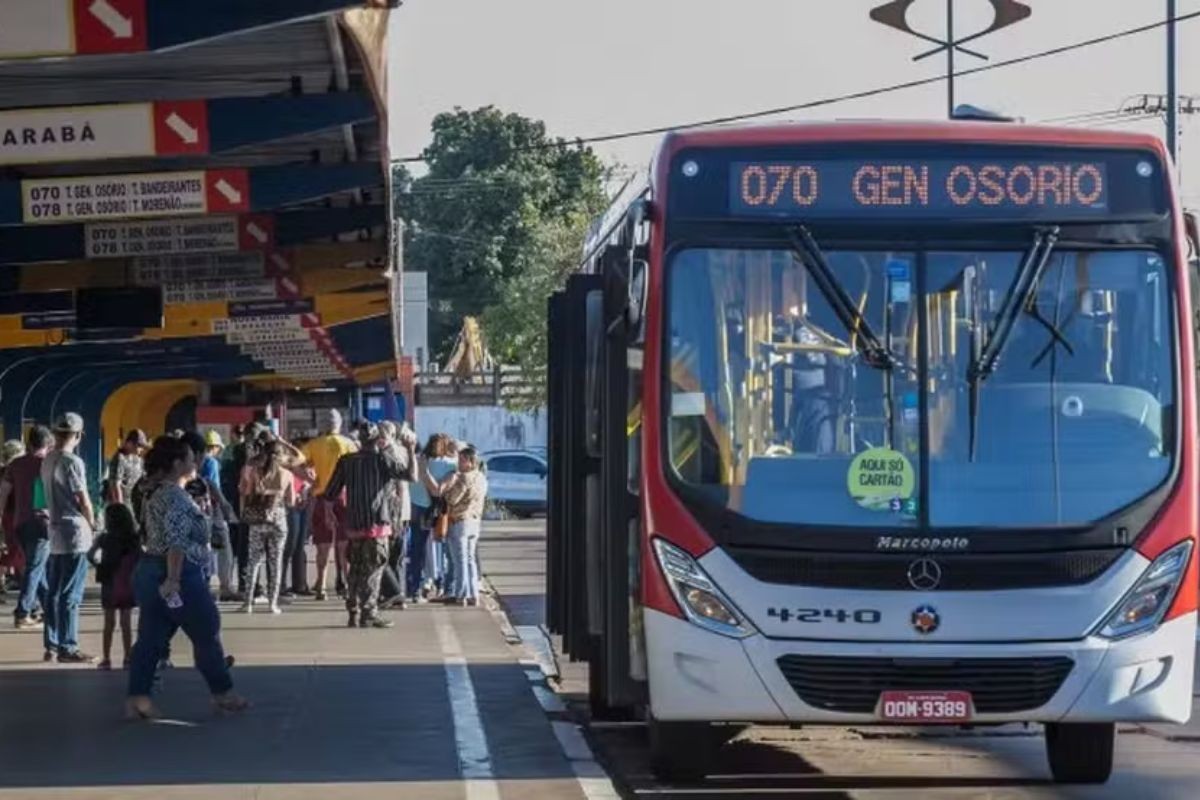
The potential sale of Consórcio Guaicurus, the public transport operator in Campo Grande, Brazil, to HP Mobilidade, a company from Goiás, has raised significant questions about the future of local transit. This negotiation occurs while the Guaicurus consortium is under municipal intervention. The intervention followed an inquiry by the Public Transport CPI, which identified contract violations, overcrowding, delays, and poor vehicle conditions. The sale is not yet finalized; HP Mobilidade's official takeover requires administrative review and authorization from the municipality. Mayor Adriane Lopes stated that the city will evaluate the proposal and demand a plan for system improvements before approving the transfer of control. The municipality has the authority to block the transfer, as public service concession contracts mandate public consent and adherence to legal and contractual requirements. The intervention itself will not automatically cease with the sale, as its purpose is to ensure service continuity and investigate irregularities, allowing oversight to persist. While a company under intervention can theoretically be sold, this is contingent on the absence of judicial decisions or contractual clauses prohibiting it, and ultimately requires the grantor's approval. According to legal experts, the buyer, HP Mobilidade, will inherit all existing debts, fines, and financial obligations of Consórcio Guaicurus, as the legal entity and contract remain unchanged. However, personal liabilities of former managers for alleged misconduct or crimes will not transfer; these remain with the individuals responsible. The city expects the new operator to modernize the system by renewing the fleet, increasing bus availability, introducing air-conditioned vehicles, reducing delays, improving terminals, and meeting concession contract targets. HP Mobilidade faces a challenging business environment, inheriting financial liabilities and an ongoing intervention that could last up to 180 days, with potential for further sanctions if issues are not rectified. If approved, the new operator will manage the service under the current concession contract, which is set to expire in 2032, requiring them to fulfill all existing obligations and intervention-related demands. Passengers are awaiting practical improvements, primarily seeking solutions for long wait times, overcrowding, and aging buses, hoping for a more efficient, safe, and comfortable public transport experience.
The proposed sale of Consórcio Guaicurus presents a critical juncture for Campo Grande's public transportation system, highlighting the complex interplay between private operation, public oversight, and contractual obligations. The intervention and subsequent sale attempt underscore systemic challenges in ensuring service quality and financial viability within public transit concessions. From a governance perspective, the municipality's retained authority to approve the transfer and demand improvements reflects a necessary check on private operators' actions, aiming to align business interests with public welfare. However, the inherited liabilities suggest that the underlying economic model may require structural adjustments beyond a change in ownership to achieve sustainable service delivery. Looking ahead, the integration of AI-driven operational efficiencies, predictive maintenance, and dynamic routing could offer pathways to address issues like delays and fleet conditions, potentially mitigating risks for future operators and improving passenger experience within the existing concession framework.
AI-generated to prompt reflection — not editorial opinion, not advice, not a statement of fact. How this works.