Campo Grande's Abandoned Bus Terminal Fuels Downtown Decline
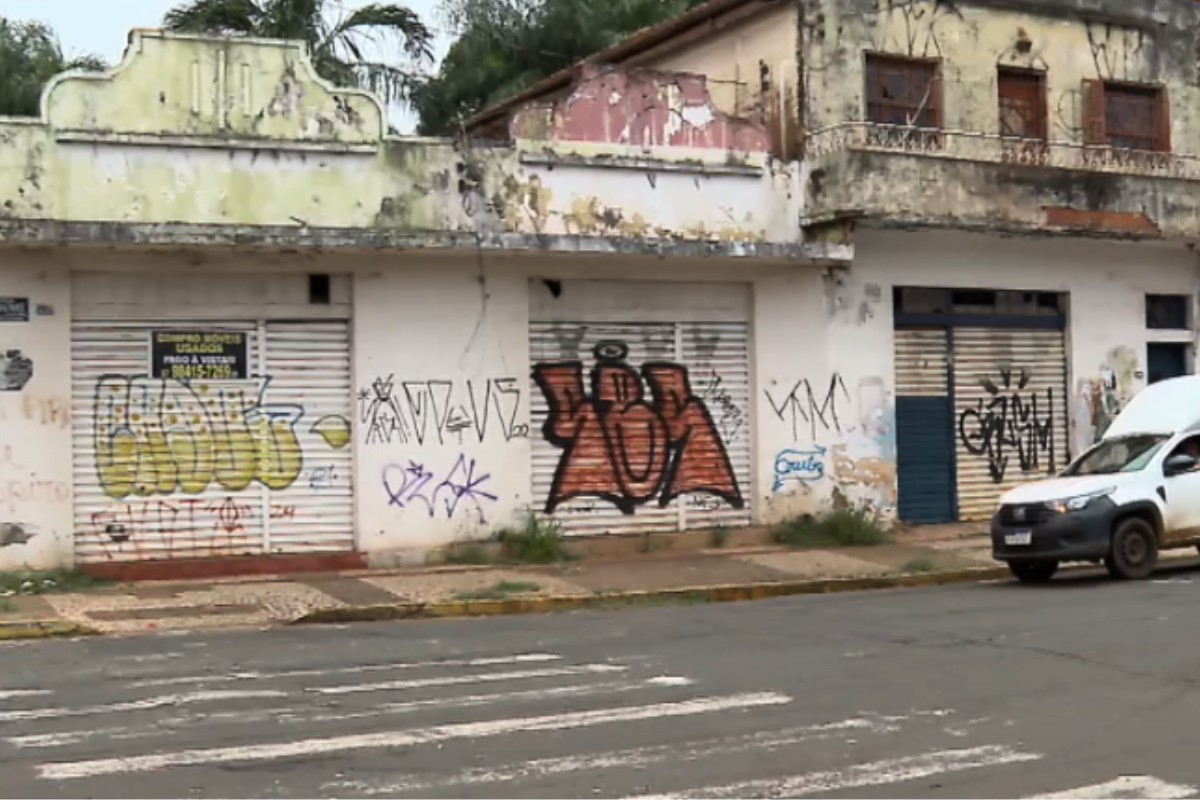
The abandonment of Campo Grande's former bus terminal, inactive for approximately 15 years, has had repercussions extending beyond its immediate vicinity. Local merchants, real estate professionals, and experts report that the area's deterioration has weakened the entire downtown core of the capital city. This decline is characterized by increased insecurity, the closure of businesses, and hundreds of vacant properties. Streets like Rua 14 de Julho and Calógeras now feature numerous closed commercial spaces, vandalized buildings, and 'for rent' signs. Decades-long business owners have witnessed a significant reduction in customer traffic, altering their daily routines. The sense of insecurity has driven customers away, with daily reports of theft and power outages hindering operations. The deterioration of the former terminal area has impacted the entire downtown, according to the Commercial and Industrial Association of Campo Grande (ACICG), citing insecurity, a rise in the homeless population, insufficient social policies, and a lack of commercial incentives. The ACICG believes revitalizing the terminal is crucial to reversing the area's decline. The real estate market has also suffered, with an estimated 300 properties abandoned downtown, remaining unsold or unrented for years. The transfer of the bus terminal in 2010 marked the beginning of this trend, with a lack of security leading to vacant buildings and a pervasive sense of unsafety. Despite these challenges, stakeholders are optimistic that revitalizing the former terminal, which is undergoing renovations to house the Metropolitan Civil Guard and the Municipal Labor Foundation (Funsat), could initiate downtown's recovery. The presence of public services is expected to boost foot traffic and encourage new investments. Urban planning experts emphasize the need to change public perception of the area, creating a positive ripple effect on surrounding neighborhoods and the commercial center. The Commercial Association also advocates for encouraging residential development, noting the downtown's potential to house over 100,000 residents, up from its current 70,000, contingent on these improvements making the area attractive again.
The prolonged abandonment of a key public transit hub like Campo Grande's former bus terminal illustrates a systemic failure in urban planning and municipal governance. The resulting decay and insecurity create a negative feedback loop, diminishing commercial viability and residential appeal, thereby concentrating social challenges like homelessness. Revitalization efforts, while necessary, must address the underlying issues of public safety, economic incentives, and social support to be sustainable. A purely physical renovation without concurrent social and economic policy interventions risks merely shifting the problem. Future urban development strategies should prioritize integrated approaches that anticipate and mitigate the secondary effects of infrastructure changes, fostering resilient urban cores that can adapt to evolving societal and economic landscapes, particularly in the context of increasing urbanization and resource constraints.
AI-generated to prompt reflection — not editorial opinion, not advice, not a statement of fact. How this works.