Campo Grande's first 'shopping mall' and bus terminal now in ruin, business owners hope for revival
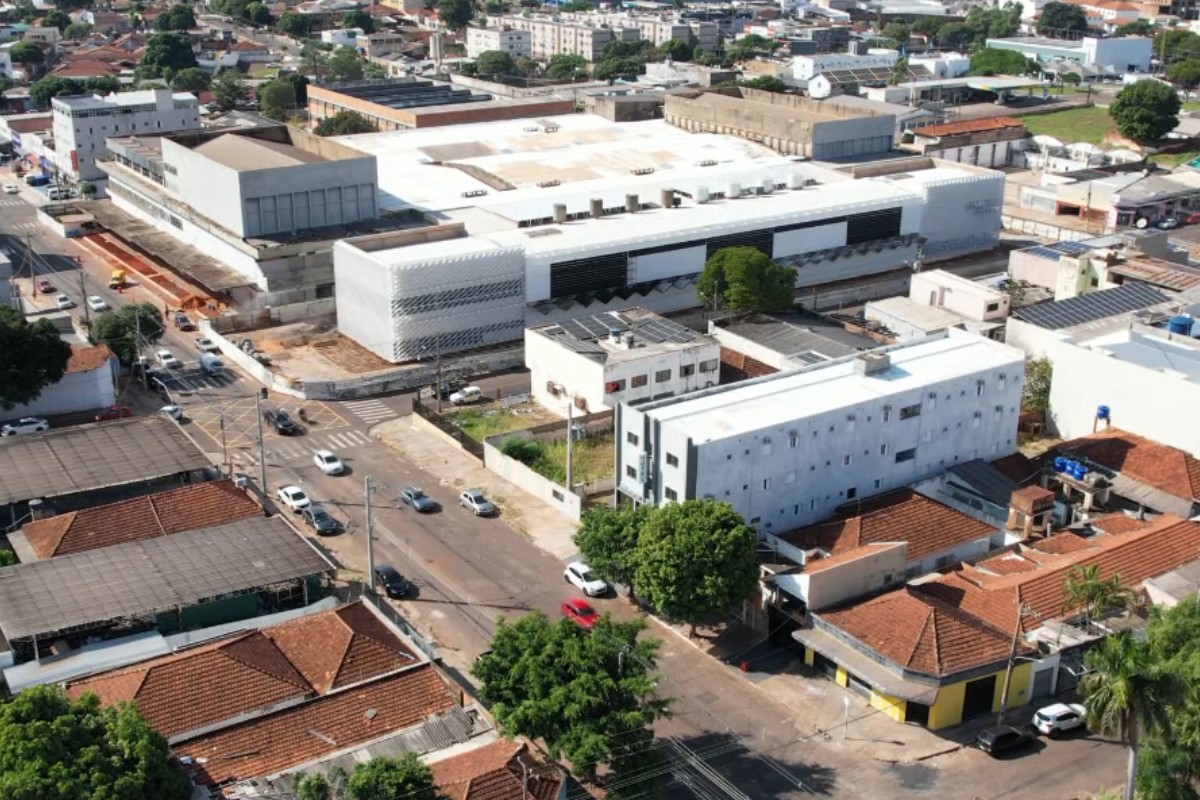
Fifteen years after the deactivation of Campo Grande's old bus terminal, local merchants and business owners are struggling with decreased customer traffic, financial losses, and rising insecurity. The former terminal, once a bustling hub that drove commerce and attracted thousands daily, now stands as a symbol of neglect in a previously vibrant area of the capital. A revitalization project for the old terminal building began in 2022, offering a glimmer of hope for recovery. However, the works, initially slated for completion within a year, remain unfinished, exacerbating the frustration of those whose livelihoods depend on customer flow.
Altino Rosa, a local worker with 45 years of experience in the area, recalls the terminal's heyday when it was a major commercial center. He remembers the "heated commerce" and high sales, noting its easy access and parking made it a prime location. Opened in the 1970s, the terminal and adjacent shopping center significantly contributed to Campo Grande's economic, cultural, and artistic development. The decline began in 2010 when the bus terminal relocated, leading to a sharp drop in customers, business closures, and reduced hotel occupancy. Hotel manager Vitório Carrer reported a drastic decrease in bookings, citing safety concerns due to the presence of individuals loitering in the area and nighttime disturbances. Merchants also identify the increase in homelessness, drug use, and general lack of security as key factors deterring customers.
Despite these challenges, some entrepreneurs like Cristóvão Lopes, who opened a snack bar nearby, remain optimistic, stating, "If I'm still here, it's because I believe." They hope the ongoing revitalization will restore the area's former prominence, with some fondly remembering it as "Campo Grande's first shopping mall." The ongoing construction, though delayed, is seen as the primary opportunity for the region's resurgence.
The narrative surrounding Campo Grande's former bus terminal highlights a common urban challenge: the economic and social consequences of infrastructure relocation and subsequent neglect. The "first shopping mall" designation underscores the area's past significance, with its decline illustrating the complex interplay between transportation hubs, commercial activity, and public safety. The delayed revitalization project, while intended to spur recovery, has inadvertently prolonged the period of hardship for local businesses. This situation prompts reflection on urban planning strategies that account for the long-term economic sustainability of existing commercial districts when major infrastructure shifts occur. Future urban development must consider robust public-private partnerships and integrated security measures to prevent such cycles of boom and decay, ensuring that revitalization efforts are both timely and effective in restoring community vitality and economic opportunity.
AI-generated to prompt reflection — not editorial opinion, not advice, not a statement of fact. How this works.