Campo Grande's Old Bus Station Renovation Delayed Again to April 2027
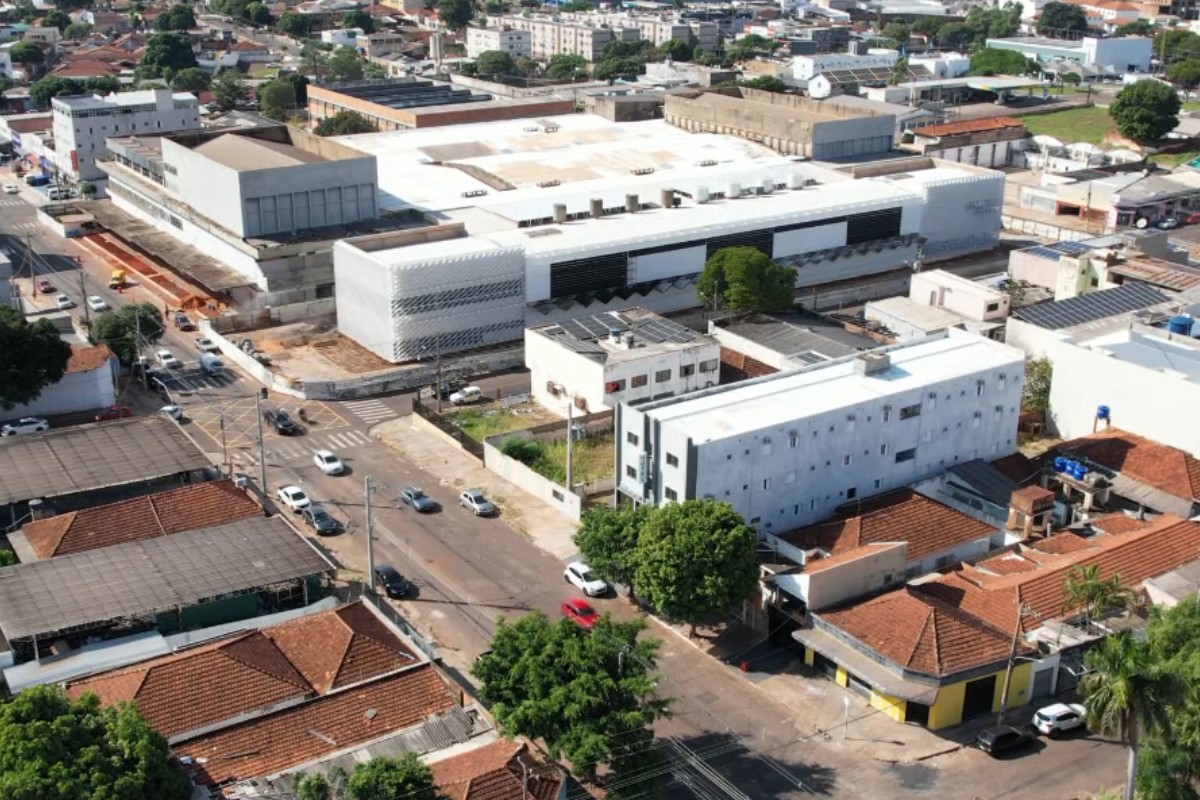
The revitalization project for the old bus station in Campo Grande, Brazil, has been postponed once more, with the new estimated completion date set for April 2027. This represents a nine-month delay from the previously scheduled completion. The municipal government cited technical adjustments in the air conditioning system's bidding process as the reason for this latest setback. Construction on the former bus station, which began in June 2022, was initially planned to be finished within one year. Currently, the project has reached 59% completion. The Municipal Secretariat of Infrastructure and Public Services (Sisep) has contracted a company for R$ 2 million to install the air conditioning system, a crucial step before internal finishing work like ceiling installation and painting can be completed. These final stages are estimated to take between 60 and 90 days after the climate control system is in place. The overall cost of the renovation has now exceeded R$ 18 million, surpassing the initial budget of R$ 16.5 million. The Public Prosecutor's Office of Mato Grosso do Sul has been investigating the contract since October 2025 due to repeated delays and contract addendums. Local business owners and residents express frustration over the prolonged delays, noting that the construction site's fencing contributes to a heightened sense of insecurity in the area. The revitalized complex is intended to house municipal bodies, including the Social Labor Foundation (Funsat) and a base for the Metropolitan Civil Guard, to boost foot traffic in the vicinity.
The repeated delays and cost overruns in the Campo Grande old bus station renovation highlight systemic challenges in public infrastructure project management. The extended timeline, now stretching to April 2027, suggests potential issues with initial planning, contractor selection, or oversight mechanisms. The ongoing investigation by the Public Prosecutor's Office indicates a need for greater transparency and accountability in the bidding and execution phases. While the project aims to revitalize a key urban area and enhance public safety by relocating municipal services, its protracted completion negatively impacts local businesses and community perception. Future infrastructure initiatives could benefit from more robust risk assessment, contingency planning, and performance-based contract structures to mitigate such delays and ensure efficient resource allocation.
AI-generated to prompt reflection — not editorial opinion, not advice, not a statement of fact. How this works.