Campo Grande Streets Closed This Weekend for Marathon and Festivals
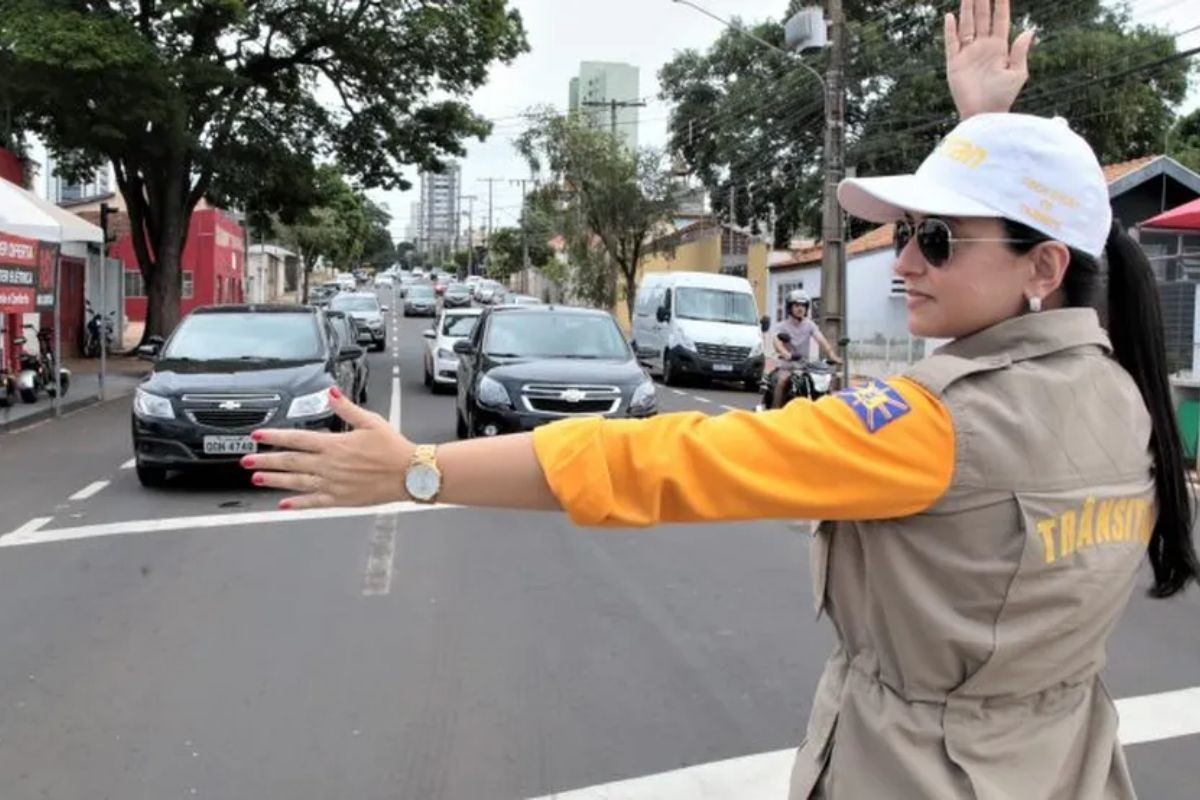
Drivers in Campo Grande, Brazil, should be aware of significant traffic disruptions on Saturday, July 4th, and Sunday, July 5th. Numerous streets and avenues will be closed to accommodate the Campo Grande Marathon, as well as various "festas julinas" (July festivals) and community events taking place across different neighborhoods. The primary impact will be in the Itanhangá region, where preparations for the marathon's start line will commence. Initial road closures are scheduled to begin at 4 AM on Saturday, affecting Avenida Ricardo Brandão and Rua Pestalozzi and Rua Pedro Celestino for the assembly of the marathon arena. Alternative routes for drivers in this area include Avenida Rubens Gil de Camilo, Avenida Ceará, Avenida Eduardo Elias Zahran, Rua Jeribá, Rua Rodolfo José Pinho, Rua Rui Barbosa, and Rua 15 de Novembro.
Beyond the marathon, other street closures are planned throughout both days for the July festivals and community gatherings. Specific closures on Saturday include Rua Cândida Lima de Barros, Rua Barão de Limeira, Rua Quarenta e Oito, Rua Hanna Anache, Rua Geraldo Agostinho Ramos, Rua Foz do Iguaçu, Rua Willian Maksoud, Rua São Manoel, Rua Topógrafos, Rua Vila Lobos, Rua Pérolas with Topázio, Rua Loiola, and Rua Pitangui, with varying start and end times. On Sunday, the marathon's main event will cause further closures starting at 4 AM on avenues such as Dr. Fadel Tajher Iunes, Afonso Pena, Arquiteto Rubens Gil de Camilo, Ricardo Brandão, Ernesto Geisel, and Duque de Caxias. Avenida Duque de Caxias will see a traffic flow change, with one lane operating towards the Airport/Center. Additional Sunday closures include an event on Avenida Fábio Zahran with Avenida Anhanduí and a "Paquera Flash Back" event on Rua Jornalista Valdir Lago.
The city of Campo Grande is balancing public participation in recreational and cultural events with the need for unimpeded urban mobility. The extensive street closures, spanning two days and multiple locations, highlight the logistical challenges of managing large-scale public gatherings in an urban environment. This situation presents a recurring trade-off between community engagement and the daily routines of residents and commuters. Future urban planning could explore strategies to minimize traffic impact, such as optimizing event scheduling, utilizing less congested routes, or enhancing public transportation alternatives during such periods. The city's approach demonstrates a commitment to fostering community spirit, but also underscores the ongoing need for robust traffic management and communication to mitigate inconvenience and ensure public safety.
AI-generated to prompt reflection — not editorial opinion, not advice, not a statement of fact. How this works.