Campo Grande Transit Consortium Owes Over $20 Million, Intervention Reveals
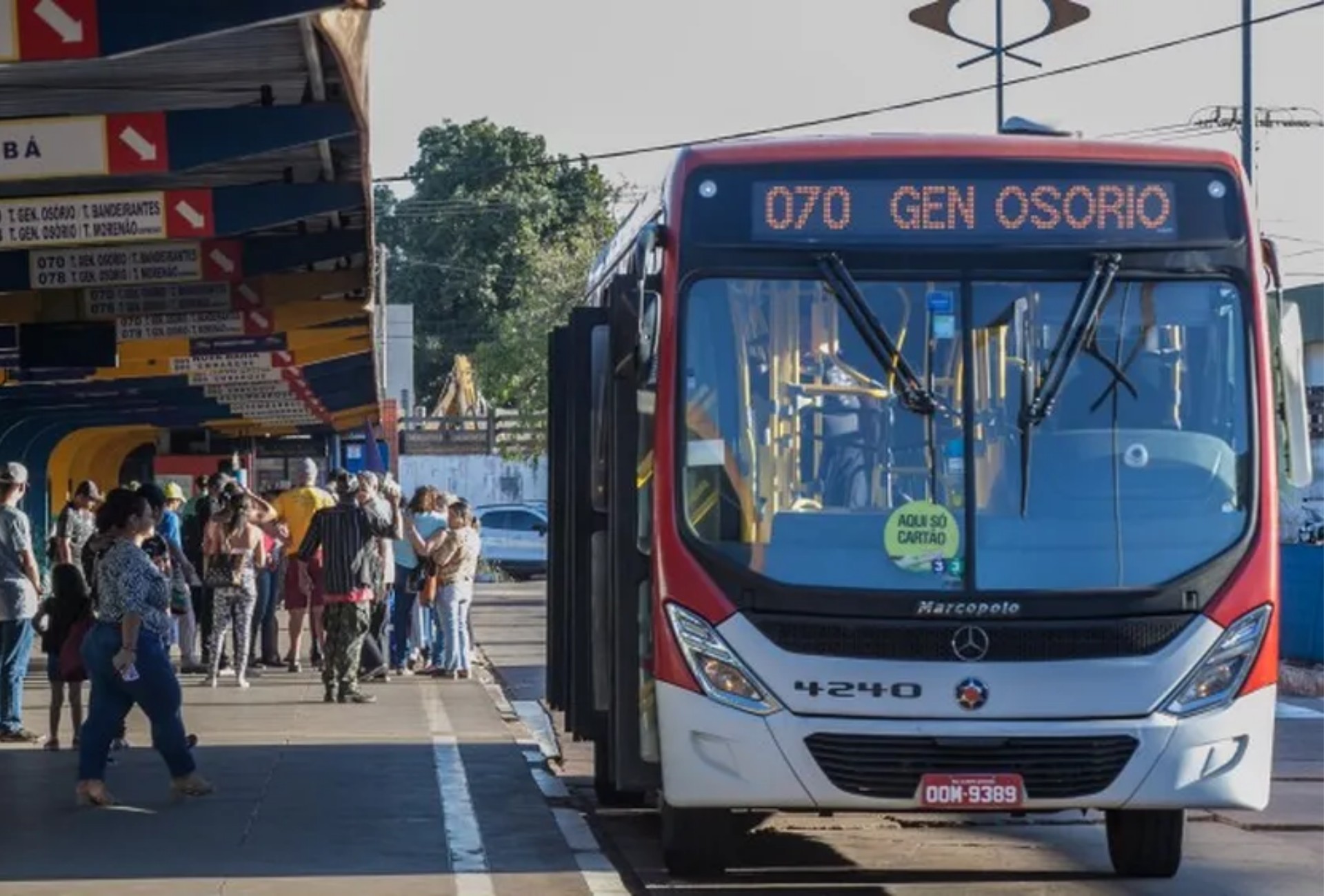
An intervention into Campo Grande's public transportation system has uncovered over R$20 million (approximately $3.7 million USD) in debts accumulated by the Consórcio Guaicurus. The preliminary findings, presented on Monday, May 6th, detail significant financial shortfalls including bank loans, overdue payments to suppliers, financing installments, and labor-related taxes. The largest portion of the debt, R$14.8 million, is owed to banks. Additionally, R$4.2 million is due to fuel and parts suppliers, R$825,000 relates to overdue vehicle financing payments, and R$553,000 in labor taxes, such as FGTS, remain unpaid.
Intervenor Alexandro Adriano Lisandro de Oliveira indicated that tax payment delays date back to at least 2014, suggesting a long-standing issue within the consortium's financial management. Beyond financial woes, the initial assessment also points to operational problems and an aging fleet. Over 190 buses currently in service exceed the contractual limit of ten years of use. In light of these findings, city councilors are considering terminating the contract with Consórcio Guaicurus, citing a severely strained relationship between the operator and the municipality. The intervention is ongoing, with further partial reports expected within 90 days and a final report due in December.
The revelation of significant debt and operational deficiencies within the Consórcio Guaicurus highlights potential systemic issues in public-private partnerships for essential services. The long-standing nature of tax payment delays suggests a possible breakdown in oversight mechanisms or a pattern of financial mismanagement that predates the current intervention. The aging fleet, exceeding contractual limits, points to a failure in asset management and long-term investment planning, potentially driven by incentive structures that prioritize short-term cost savings over service quality and sustainability. As the intervention progresses, a critical examination of the regulatory framework and the effectiveness of municipal oversight will be crucial. Moving forward, ensuring transparent financial reporting, robust performance metrics, and clear accountability for capital investment will be paramount to prevent similar situations and guarantee reliable public transit for citizens in the coming decade.
AI-generated to prompt reflection — not editorial opinion, not advice, not a statement of fact. How this works.