Campos Basin Achieves Highest Oil and Gas Output in Five Years
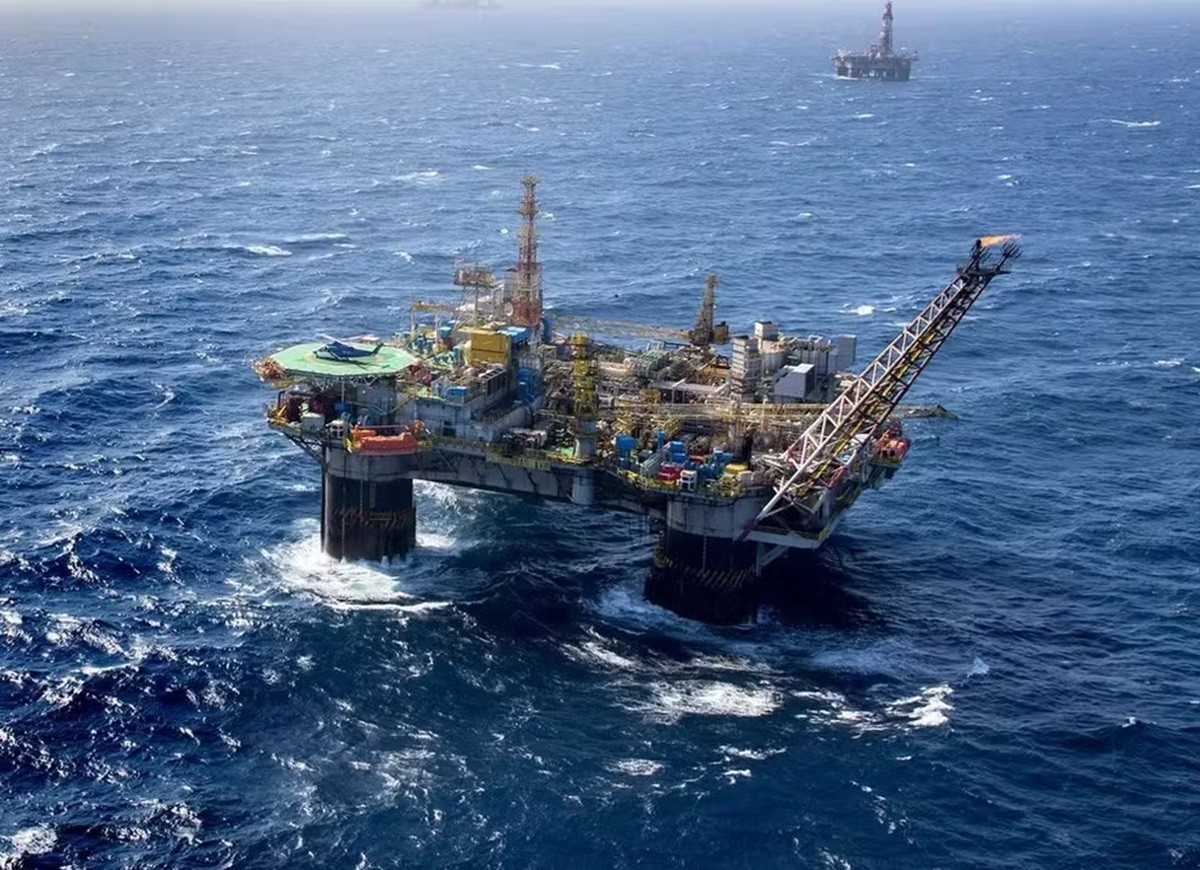
The Campos Basin, located in Northern Rio de Janeiro, recorded its strongest first-quarter oil and gas production in five years. Between January and March 2026, average output reached 893.8 thousand barrels of oil equivalent per day (boe/d), marking a 13.1% increase compared to the same period in 2025. This surge is attributed to Petrobras' renewed investments in exploration and production, which resumed in 2023. The state-owned company's strategic shift, abandoning divestments and reacquiring key areas, is now evident in the Campos Basin's performance indicators. The basin currently accounts for 16.8% of Brazil's national oil and gas production, underscoring its strategic importance to the energy sector and the national economy. Beyond production increases, the sector remains a significant job creator in Northern Rio de Janeiro, with approximately 37,000 direct and indirect jobs linked to its activities. In 2025, the average offshore worker remuneration was around R$ 17,000, further stimulating the regional economy through consumption, taxes, and duties. Petrobras also intensified exploration efforts in 2025, drilling five exploratory wells in the Campos Basin, the highest number since 2011. These campaigns led to discoveries in both pre-salt and post-salt reservoirs, bolstering the region's production potential. Pre-salt production within the basin alone grew by 46.1% year-over-year, enhancing prospects for extending the basin's operational lifespan. However, sustaining this growth hinges on continued investment. Petrobras' 2026-2030 Business Plan has postponed the contracting of platforms for the basin's revitalization projects beyond 2030, and only five of eleven planned exploratory wells for southeastern basins are slated for the Campos region. INEEP emphasizes that accelerating revitalization, acquiring new exploration areas, and investing in new reservoir discoveries are crucial for maintaining production, replenishing reserves, and ensuring continued employment, income, and royalty generation for the region's municipalities.
The recent surge in oil and gas production from Brazil's Campos Basin, driven by Petrobras' strategic investment shifts, highlights the critical interplay between corporate strategy and regional economic vitality. While increased output and job creation are positive indicators, the analysis suggests that future production levels and the basin's longevity are contingent on sustained, long-term capital allocation. The postponement of revitalization projects and a reduced number of planned exploratory wells raise questions about the pace of future development and reserve replacement. This situation presents a classic challenge in resource extraction: balancing immediate production gains with the imperative for ongoing exploration and infrastructure renewal to ensure long-term viability and economic benefits for the region. The next decade will likely test the efficacy of current investment strategies in navigating the evolving energy landscape and maintaining Brazil's energy security.
AI-generated to prompt reflection — not editorial opinion, not advice, not a statement of fact. How this works.