Campos do Jordão Experiences Coldest Day of Year, with -1.3°C Feels Like Temperature
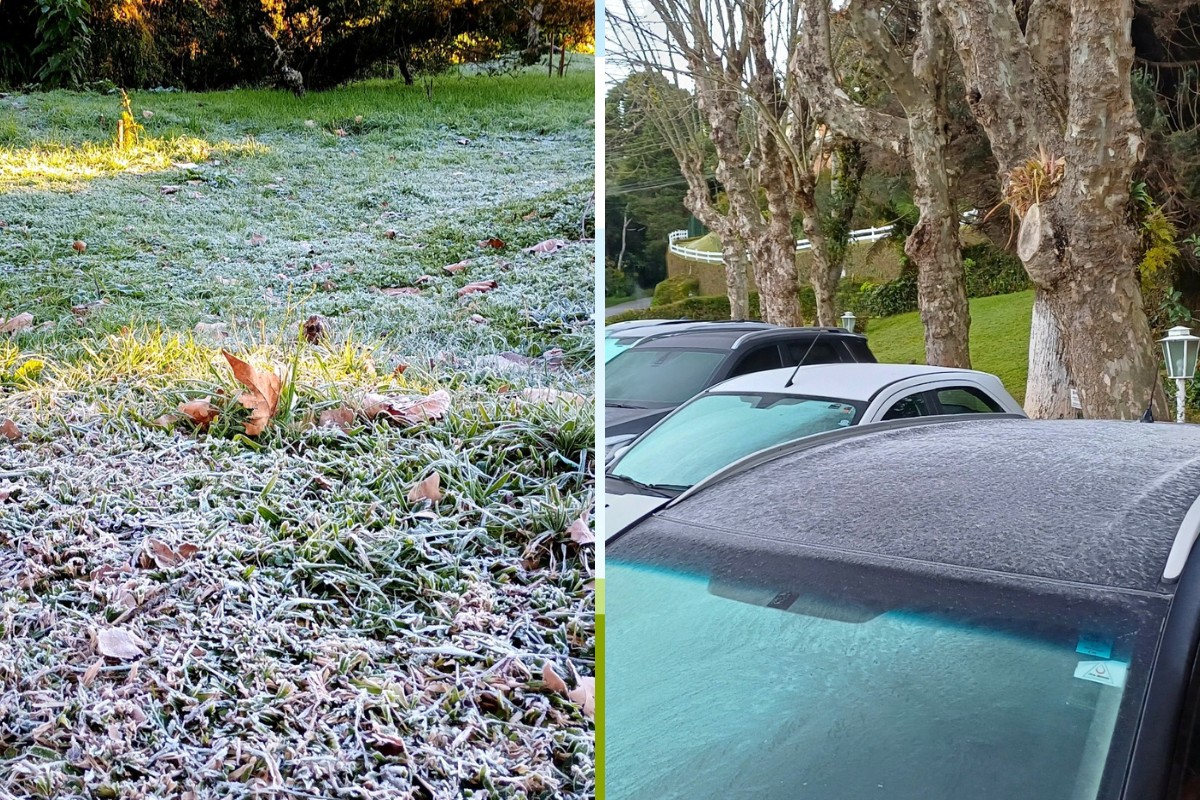
Campos do Jordão, located in the Serra da Mantiqueira region, experienced its coldest day of the year on Tuesday, June 14th. The National Institute of Meteorology (Inmet) reported that the apparent temperature dropped to -1.3°C during the early morning hours. The actual temperature recorded by thermometers was around 2°C, but wind and other climatic conditions contributed to the significantly lower perceived temperature. Frost was also observed in various neighborhoods, with residents reporting ice covering cars, providing a unique experience for some, like 7-year-old Liz Maria Cardoso, who wrote her name in the frost. The cold snap has also highlighted the need for services supporting the homeless population. The local transit house in Campos do Jordão has extended its operating hours to 24/7 throughout the winter to provide shelter, meals, hygiene products, clothing, and a safe place to sleep for those in need. This facility offers 14 beds and actively seeks out vulnerable individuals, especially during the coldest nighttime hours. Six people were accommodated between Monday and Tuesday. The service also assists individuals from other municipalities in returning to their hometowns if they express a desire to do so.
The event underscores the dual impact of extreme weather events, simultaneously drawing tourism and exposing societal vulnerabilities. While the cold weather offers a picturesque setting and economic opportunities for the hospitality sector, it also necessitates increased social support for marginalized populations. This highlights a recurring challenge for municipalities: balancing economic development with the provision of essential social services, particularly during seasonal climate extremes. Future urban planning and resource allocation strategies could proactively address such cyclical demands, ensuring adequate infrastructure and support systems are in place to mitigate the adverse effects of weather on all residents, regardless of socioeconomic status. This also points to the broader implications of climate change, which may lead to more frequent and intense weather phenomena, requiring adaptive social and infrastructural responses.
AI-generated to prompt reflection — not editorial opinion, not advice, not a statement of fact. How this works.