Campos do Jordão's Coldest Day: -3.3°C Recorded 15 Years Ago
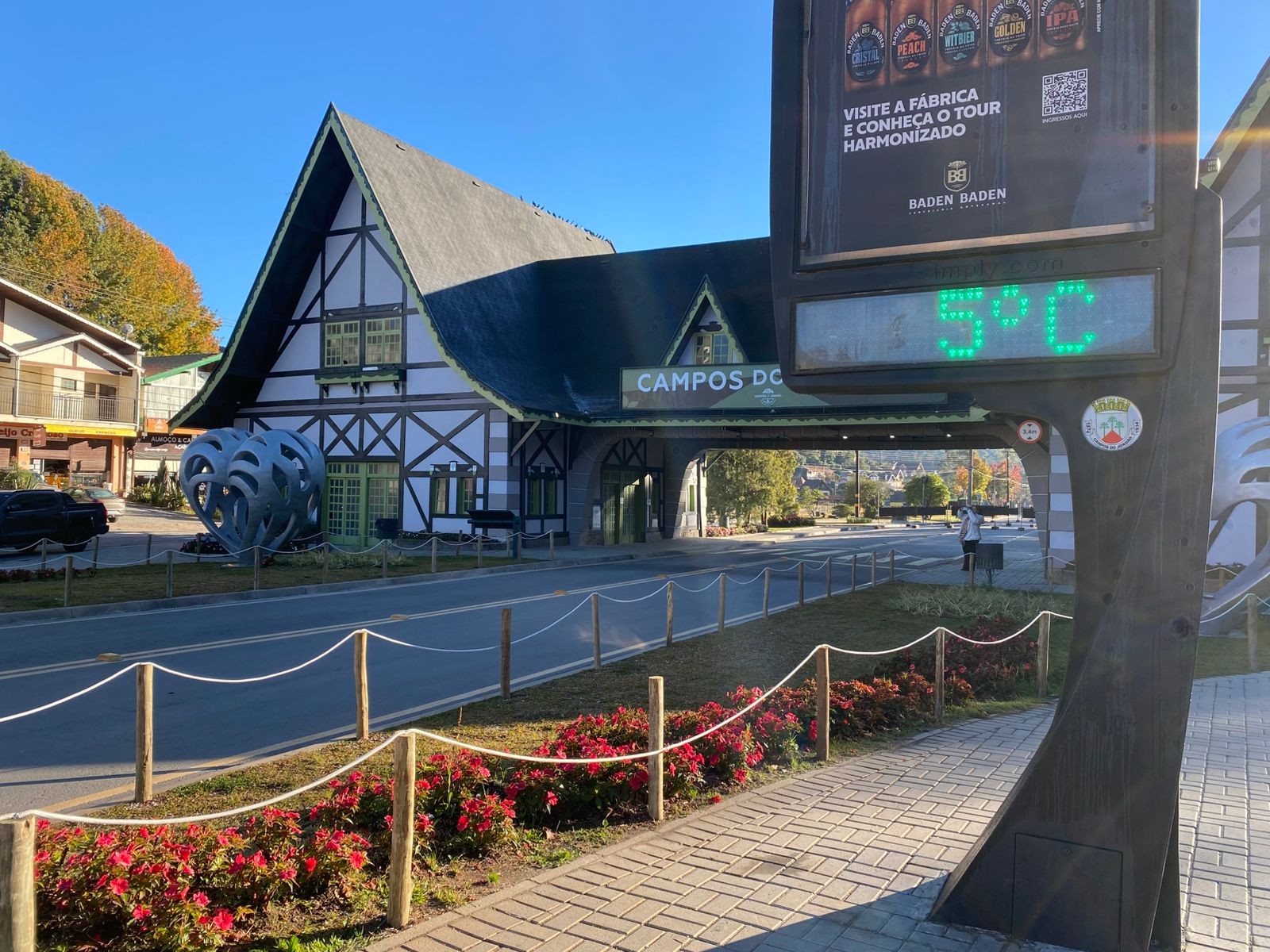
Campos do Jordão, the highest city in Brazil at 1,628 meters altitude, recently experienced a cold snap, reaching 1.3°C on Wednesday, July 15th, setting a new record for 2026. However, this recent cold is mild compared to historical records. An analysis of data from the National Institute of Meteorology (Inmet) automatic weather station, operational since March 12, 2002, reveals that Campos do Jordão has recorded temperatures below zero on 31 occasions. The coldest day in this period was June 28, 2011, when the temperature plummeted to -3.3°C, the only instance where the mercury dropped below -3°C. The second coldest recorded temperature was -2.6°C on July 30, 2021. More recently, on July 30, 2025, the minimum temperature was -1.5°C. During the first decade of the 21st century, negative temperatures were recorded only four times: -0.7°C on August 18, 2003; -2.3°C on July 30, 2007; -0.2°C on June 7, 2010; and -0.8°C on August 18, 2010. The low humidity accompanying these cold temperatures also necessitates health precautions.
This report highlights historical temperature extremes in Campos do Jordão, contrasting a recent cold event with a record low from 2011. The data, sourced from the Inmet, provides a clear statistical overview of cold occurrences. Examining such historical weather patterns can inform urban planning and infrastructure resilience strategies, particularly in high-altitude tourist destinations. Understanding the frequency and intensity of extreme weather events is crucial for adapting to potential future climate shifts and ensuring public safety and comfort. The analysis underscores the value of long-term meteorological data collection for understanding local climate variability and its implications.
AI-generated to prompt reflection — not editorial opinion, not advice, not a statement of fact. How this works.