Campos Fire Highlights Winter Vegetation Burn Risks
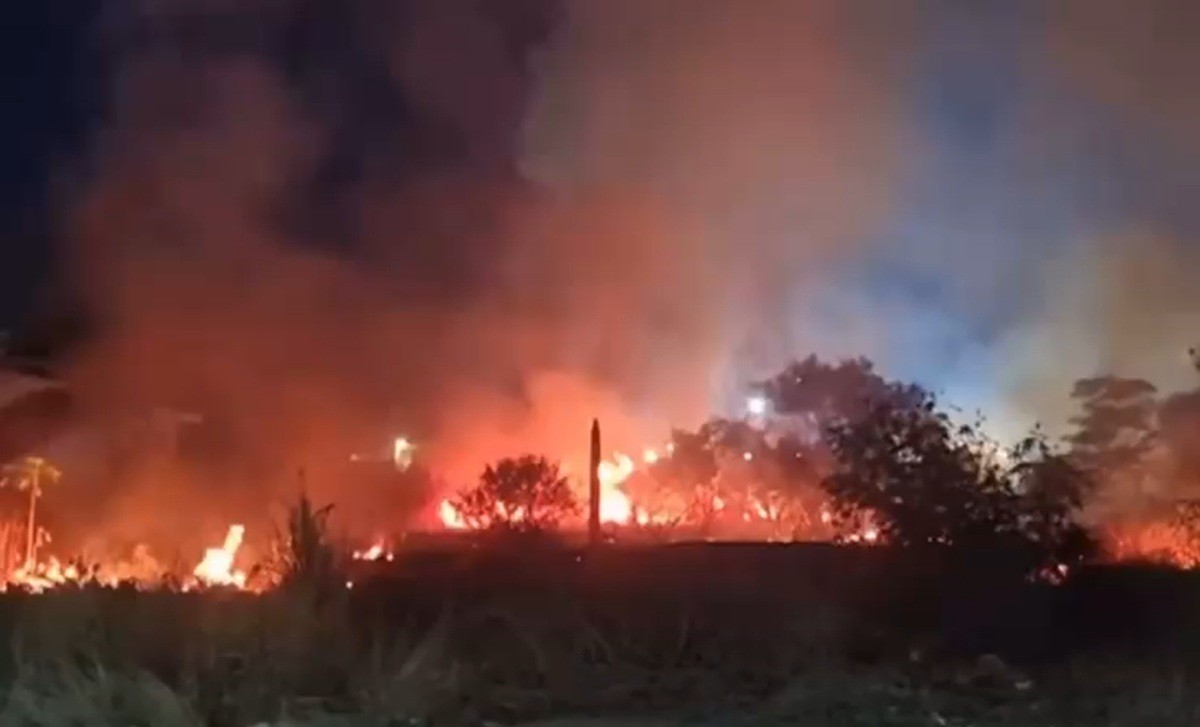
A fire in a vacant lot in the Parque Rosário neighborhood of Campos dos Goytacazes, in Rio de Janeiro's North Fluminense region, has prompted renewed concern over vegetation fires during the dry winter season. Firefighters were dispatched on Tuesday, August 8th, at 5:50 PM to combat the blaze on Rua Nossa Senhora da Conceição, successfully controlling it by 7:20 PM. Fortunately, no injuries were reported, and the cause of the fire remains unknown. This incident underscores a recurring problem exacerbated by winter conditions, including dry vegetation, low humidity, and wind, which create favorable environments for fires to spread rapidly across vacant lots, natural areas, and rural properties. Beyond environmental damage, the smoke produced significantly degrades air quality, posing risks to respiratory health, particularly for vulnerable groups like children, the elderly, and individuals with chronic conditions. The State Environmental Institute (Inea) stated its role in monitoring and enforcing regulations related to sugarcane straw burning under State Law No. 5.990/2011, including inspections and penalties for non-compliance. Inea also participates in the "Fumaça Zero" (Zero Smoke) program with other agencies, focusing on environmental education and monitoring conservation areas to prevent forest fires. For other types of queimadas, different competent authorities are responsible, with Inea acting complementarily. Inea encourages reporting of irregularities through Disque Denúncia (0300 253 1177) or its Ombudsman's office.
This incident highlights the systemic challenge of managing vegetation fires during dry seasons, a recurring issue exacerbated by climatic conditions and land use practices. While Inea's regulatory framework for sugarcane burning and its participation in prevention programs like "Fumaça Zero" demonstrate a structured approach, the continued occurrence of fires in vacant lots suggests potential gaps in enforcement or broader urban-rural interface management. The interplay between environmental regulations, public awareness, and the capacity of responsible agencies to monitor and respond effectively is crucial. Future efforts could explore enhanced early warning systems, community-based fire prevention initiatives, and more integrated land-use planning that accounts for increased fire risk in a changing climate, particularly as AI-driven monitoring and predictive analytics become more sophisticated.
AI-generated to prompt reflection — not editorial opinion, not advice, not a statement of fact. How this works.