Campus France Explains Stricter Financial Rules for Cameroonian Students
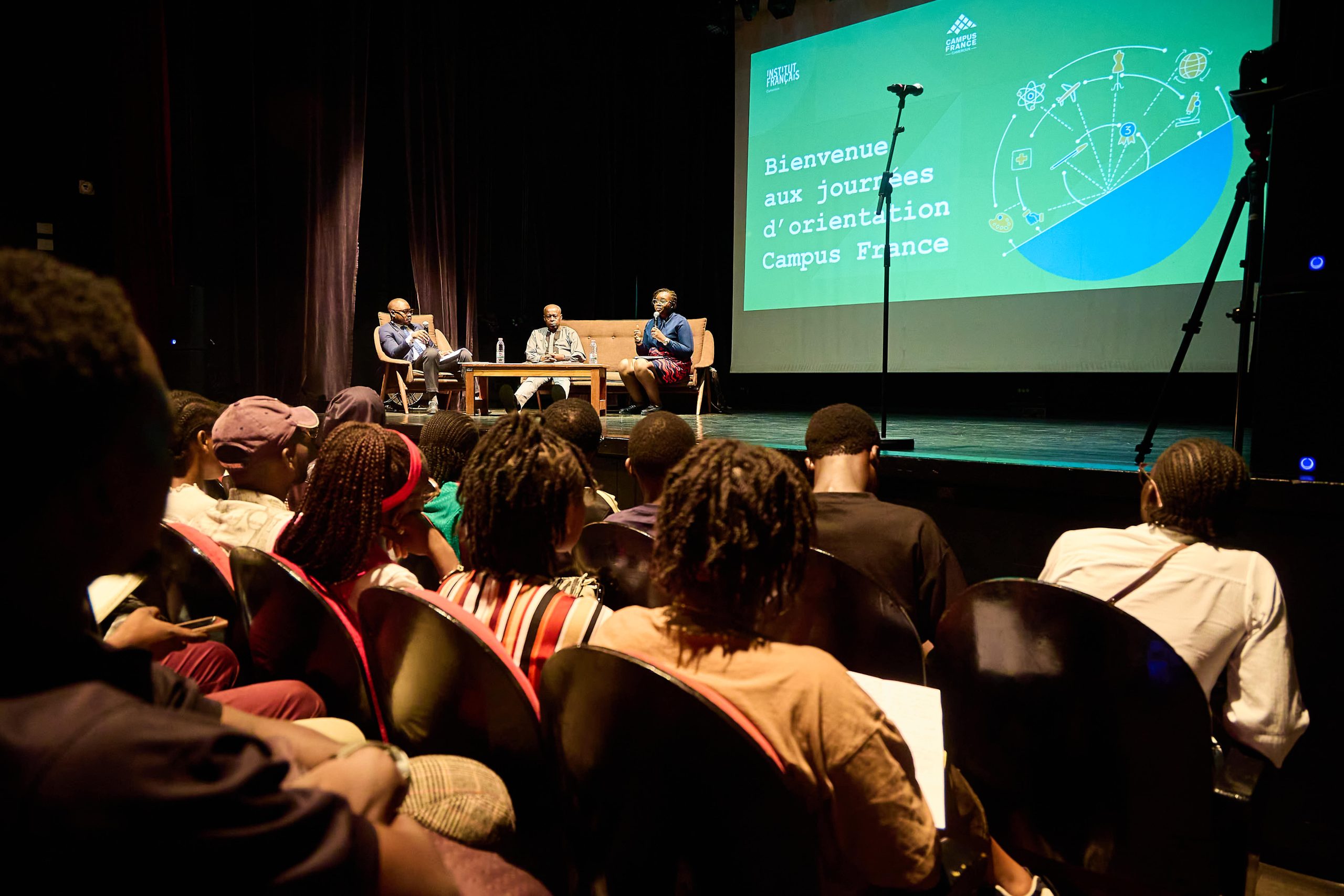
Muriel Piquet-Viaux, Director General of the French Institute in Cameroon (IFC), has clarified new, stricter financial requirements for Cameroonian students seeking to study in France. Speaking at a press conference on July 11, 2026, she explained that the requirement for upfront payment of full tuition fees for private institutions is not intended to block access but to safeguard Cameroonian students' academic journeys. This measure aims to combat a surge in fraud and poorly prepared departures, ensuring students have sufficient funds for optimal study conditions.
Piquet-Viaux emphasized that Campus France, part of the mobility and attractiveness division, provides information and processes applications but has no authority over student visa decisions. The visa service operates independently under the French Ministries of Foreign Affairs and the Interior, meaning successful orientation interviews or blocked funds do not guarantee visa approval. The new financial demands are a direct response to a significant increase in fraudulent activities, including fake attestations, transcripts, and identities, which Campus France believes undermine the entire mobility process for Cameroonian students.
Campus France reported a more than 150% rise in student visa applications from Cameroon, with at least 800 individuals assisted by its coordination and orientation center on July 11, 2026. The organization also questioned the role of numerous local intermediary agencies in Yaoundé and Douala, asserting its sole authority in candidate support. The IFC Director General stated that sending students abroad without financial guarantees exposes them to precariousness and academic failure, and this 'survivability' measure seeks to confirm families' capacity to support their children in France.
The implementation of stricter financial verification for Cameroonian students by Campus France reflects a systemic response to increased application volumes and documented fraud. While framed as a protective measure for students and the integrity of the academic mobility program, the policy's impact on accessibility warrants consideration. The upfront tuition payment requirement, coupled with the significant increase in visa applications, suggests a potential bottleneck in the French international education system's capacity to manage growth. Future iterations of such policies could explore tiered financial guarantees or partnerships with reputable financial institutions to balance security with equitable access, especially as global demand for international education continues to rise in an increasingly interconnected, AI-driven world.
AI-generated to prompt reflection — not editorial opinion, not advice, not a statement of fact. How this works.