Campus France Tightens Admission Rules for Cameroonian Students in France
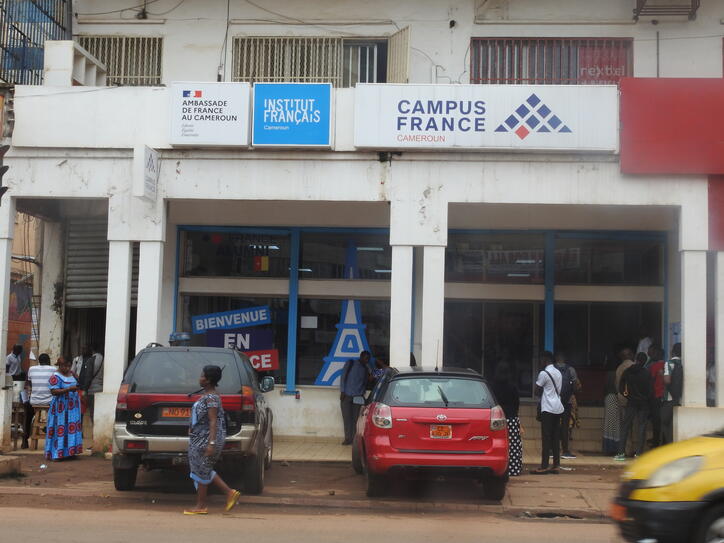
Campus France has implemented stricter admission requirements for Cameroonian students seeking to study in France, mandating that applicants pay the full tuition fees before applying for a visa. Alternatively, students must demonstrate the availability of the entire tuition amount in a blocked bank account prior to their visa application. This new policy, announced on July 4th, has sparked considerable concern and debate among prospective students and their families. The measure includes exemptions for specific supervised mobility programs where students begin their studies in Cameroon and continue in France under organizational guidance. A significant point of contention is the risk faced by students who pay their full tuition fees but are subsequently denied a visa. While admission to a French institution is separate from entry into France, a student could possess the required funds and still be prevented from entering the country. This raises questions about the reimbursement of tuition fees, as some students have reported that while schools may refund tuition, associated incidental costs are often not returned, leading to financial losses. Students who had already paid fees to Campus France, made down payments to their schools, and completed interviews before this new rule was announced are now in a difficult position, as the policy does not clarify their specific situation or whether they must pay remaining tuition balances. Some observers suggest this policy reflects a broader French intention to progressively tighten entry conditions for Cameroonian students, especially since no explicit French government decree mandates such a stringent financial requirement. Previously, applicants only needed to show proof of partial or full payment or availability of tuition fees to demonstrate sufficient financial means for their studies.
Campus France's revised policy on tuition fee verification for Cameroonian students introduces a significant financial barrier, potentially impacting equitable access to higher education. By requiring full tuition payment or blocked account verification before visa application, the policy shifts considerable financial risk onto students, who may face non-refundable incidental costs even if their visa is denied. This approach could disproportionately affect students from lower socioeconomic backgrounds, creating a de facto selective immigration process based on financial capacity rather than academic merit. From a systemic perspective, such policies may inadvertently limit the diversity of international student populations and could be viewed as a move towards managing immigration flows through economic gatekeeping. Future considerations should explore mechanisms that balance institutional financial security with student accessibility and risk mitigation, potentially through phased payments tied to visa approval or enhanced institutional guarantees for fee reimbursement.
AI-generated to prompt reflection — not editorial opinion, not advice, not a statement of fact. How this works.