Can 4GB GPUs like RX 6500 XT and GTX 1650 Super still run games in 2026 with upscaling?
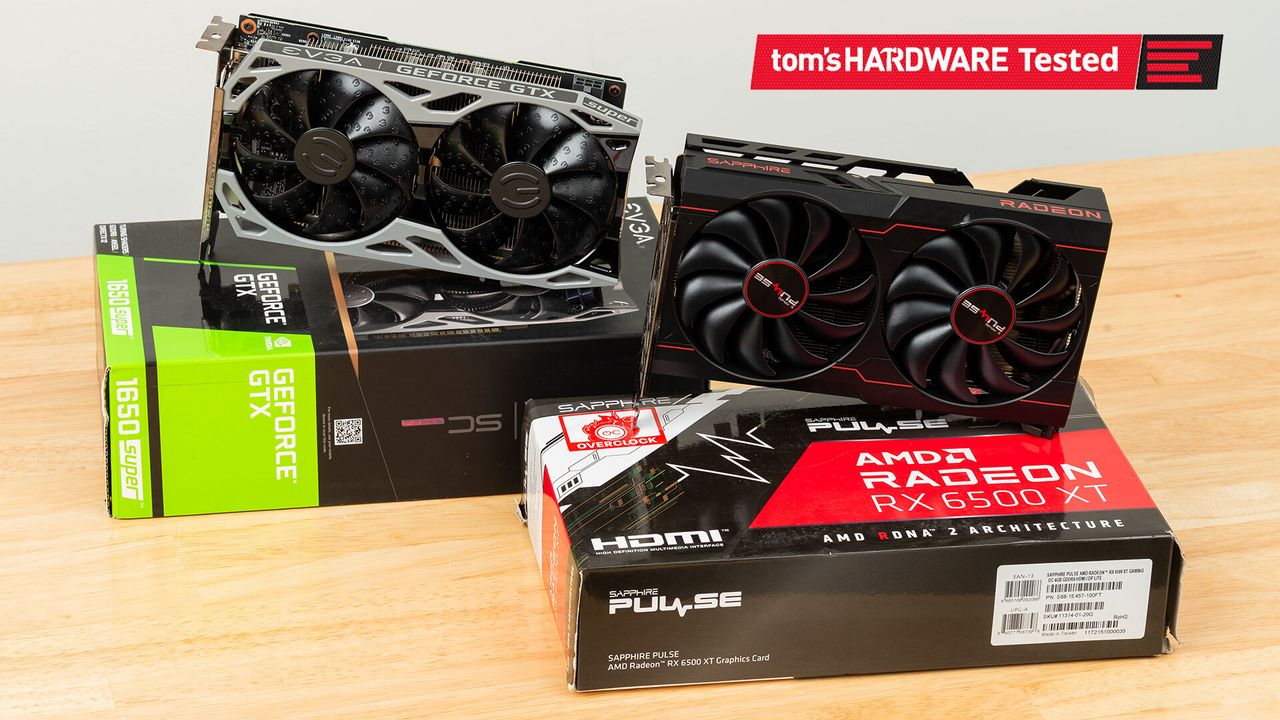
The viability of low-end graphics cards, specifically those with 4GB of VRAM such as the Radeon RX 6500 XT and the Nvidia GeForce GTX 1650 Super, for gaming in 2026 is being questioned. The core concern revolves around whether the limited 4GB VRAM capacity will create an insurmountable performance bottleneck. However, the article suggests that upscaling technologies could potentially make these GPUs suitable for esports titles and internet cafes. Upscaling techniques, like AMD's FidelityFX Super Resolution (FSR) and Nvidia's Deep Learning Super Sampling (DLSS), render games at a lower resolution and then use algorithms to intelligently upscale the image to the target resolution. This process can significantly reduce the VRAM load and increase frame rates, thereby extending the useful life of older or less powerful hardware. The implications are particularly relevant for budget-conscious gamers and businesses like internet cafes that rely on cost-effective hardware solutions. The future of these cards hinges on the continued development and adoption of these upscaling technologies.
The increasing VRAM demands of modern games present a challenge for graphics cards equipped with only 4GB. However, the advancement of AI-driven upscaling technologies offers a potential pathway to extend the relevance of these lower-tier GPUs. By intelligently reconstructing higher-resolution images from lower-resolution inputs, upscaling can mitigate VRAM limitations and improve performance. This dynamic highlights a broader trend where software-based solutions are becoming crucial for optimizing hardware utilization across the tech landscape. The economic incentives for manufacturers and consumers to embrace upscaling are significant, potentially democratizing access to demanding gaming experiences on more affordable hardware and influencing the upgrade cycles for both individual users and commercial entities like internet cafes.
AI-generated to prompt reflection — not editorial opinion, not advice, not a statement of fact. How this works.
