Can a Son-in-Law Perform Funeral Rites for His Father-in-Law?
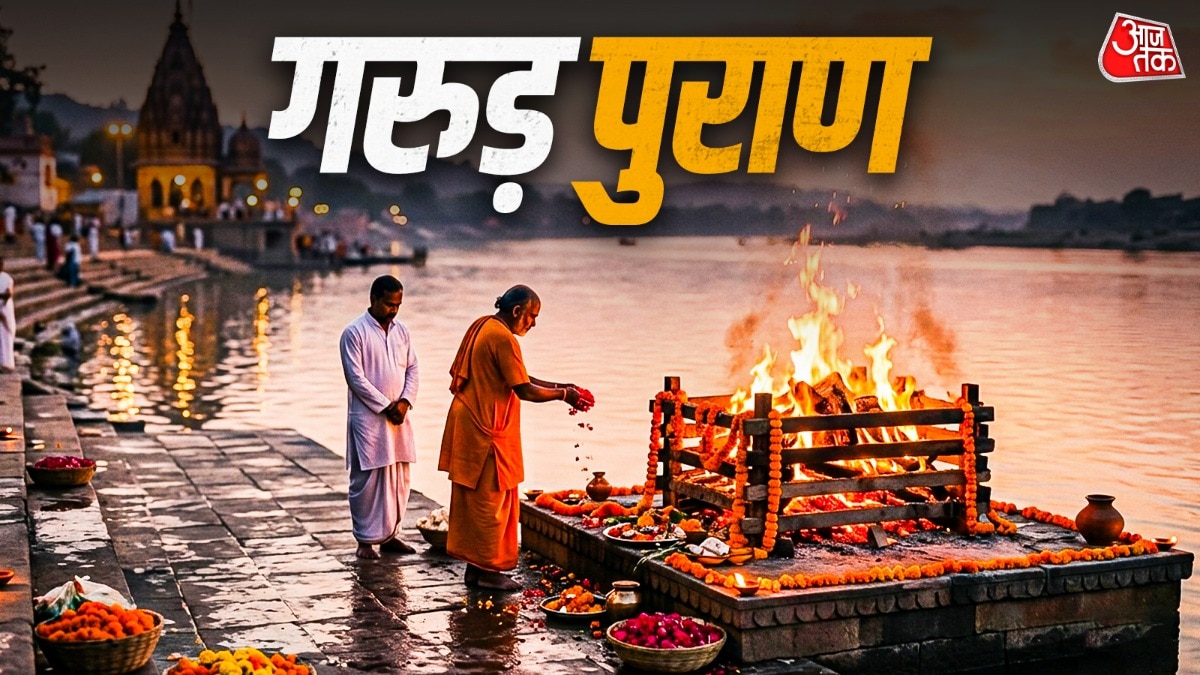
The Garud Puran emphasizes that while funeral rites are a religious duty, the most crucial aspects are respect, emotion, and genuine devotion towards the deceased. Traditions are evolving over time, necessitating their adoption with wisdom and sensitivity. In this context, a question arises regarding whether a son-in-law is permitted to perform the final rites for his father-in-law.
This inquiry delves into the traditional rules and evolving practices surrounding Hindu funeral ceremonies. The focus is on understanding the nuances of who can conduct these rites and how societal changes are influencing these deeply ingrained customs. The article aims to provide clarity on this specific aspect of funeral rituals, acknowledging the importance of both established religious texts and contemporary interpretations.
The evolving nature of funeral rites reflects broader societal shifts in family structures and gender roles. While traditional texts like the Garud Puran outline specific customs, contemporary interpretations often prioritize emotional and familial bonds over strict adherence to historical prescriptions. This tension between tradition and modernity in performing last rites highlights a societal negotiation of meaning and obligation. As family units become more diverse and geographically dispersed, the practicalities of performing these rituals may necessitate a more inclusive approach, focusing on the intent and emotional connection of the performer rather than solely on prescribed lineage. This trend suggests a future where rituals adapt to maintain their significance within changing social landscapes, emphasizing inclusivity and emotional resonance.
AI-generated to prompt reflection — not editorial opinion, not advice, not a statement of fact. How this works.