Can a Will Written on a Chopstick Wrapper Be Valid? A Rakugo Story on Estate Planning
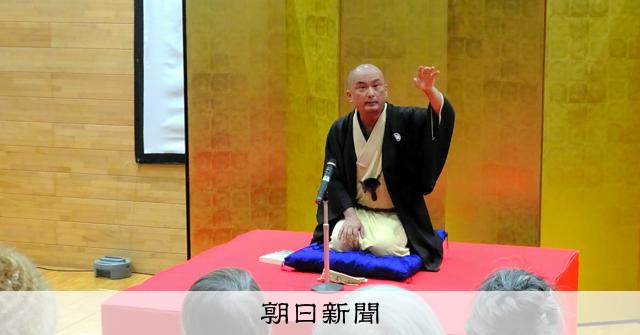
A humorous approach to estate planning is presented through a rakugo (traditional Japanese comic storytelling) performance. The story explores the validity of a will written on a seemingly unconventional surface: the blank space on a chopstick wrapper. The question posed is whether a simple statement like 'All my property to my wife' scribbled on such an item would be legally recognized. This narrative highlights the importance of proper will execution and the potential pitfalls of informal arrangements. The performance aims to educate the audience about the necessity of formalizing their wishes regarding their assets. It implicitly suggests that while the sentiment may be clear, legal requirements for a valid will must be met. The rakugo master uses humor to demystify the topic of inheritance and encourage thoughtful planning. The story serves as a lighthearted yet informative reminder that even significant intentions require a proper legal framework to be effective.
This narrative uses a traditional storytelling format to address the practical, often overlooked, legalities of estate planning. By framing the issue through a humorous anecdote about a chopstick wrapper will, it underscores the gap between personal intent and legal enforceability. The story prompts reflection on how societal norms and informal communication can diverge from established legal frameworks. In the context of an aging population and increasing wealth transfer, such accessible educational tools are vital for promoting responsible financial stewardship and preventing future disputes. The piece implicitly critiques a potential societal tendency towards procrastination or underestimation of the complexities involved in securing one's legacy, encouraging proactive engagement with legal professionals.
AI-generated to prompt reflection — not editorial opinion, not advice, not a statement of fact. How this works.