Can Alternative Routes Replace the Strait of Hormuz?
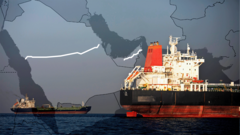
Experts believe that despite the existence of alternative options, no other route can fully replace the Strait of Hormuz. This vital waterway is strategically crucial as it facilitates the passage of approximately one-quarter of the world's seaborne oil trade. The significance of the Strait of Hormuz stems from its unique geographical position, connecting the Persian Gulf to the open ocean. Its closure or disruption would have profound implications for global energy markets and supply chains. While other shipping lanes exist, they do not offer the same capacity or directness for oil transport from major producing regions to key consuming markets. Therefore, the Strait of Hormuz remains an indispensable chokepoint in the global energy infrastructure.
The Strait of Hormuz's unparalleled role in global oil transit highlights the inherent vulnerabilities in concentrated critical infrastructure. While alternative routes may offer partial redundancy, the economic and logistical efficiencies of the Strait present a formidable barrier to substitution. This situation underscores the ongoing geopolitical risk associated with chokepoints and the potential for supply disruptions to significantly impact energy prices and economic stability worldwide. Future energy security strategies may need to focus on diversifying not only transport routes but also production sources and refining capacities to mitigate such concentrated risks.
AI-generated to prompt reflection — not editorial opinion, not advice, not a statement of fact. How this works.